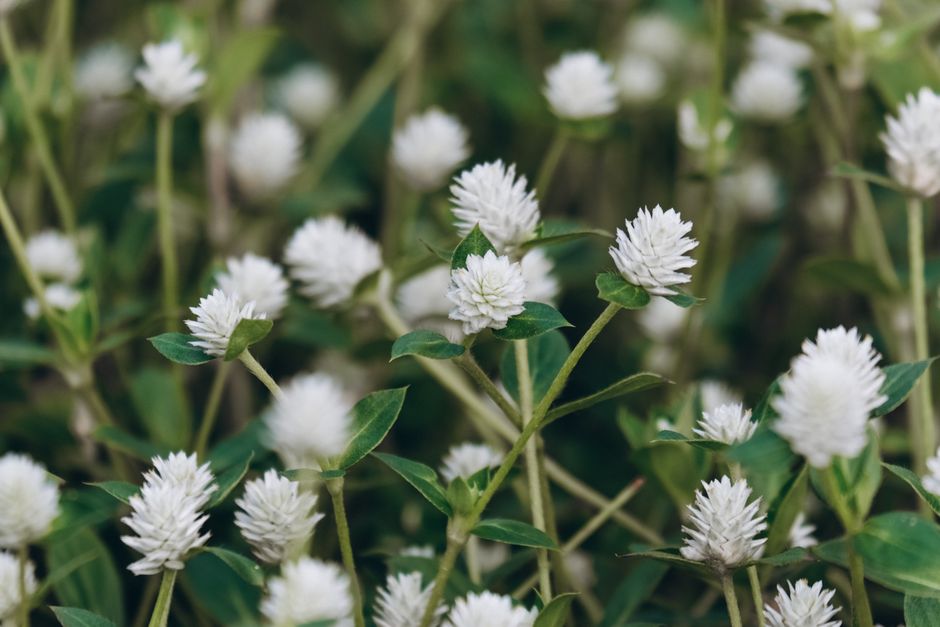
Grow Amaranth Indoors: Your New Favorite Edible Plant!
Amaranth is a wonderfully versatile "edimental" plant, meaning it's both beautiful to look at and delicious to eat. If you're looking to expand your indoor garden, learning to grow amaranth indoors is an excellent choice. This ancient grain and leafy green offers vibrant colors, high nutrition, and a surprisingly easy growing experience, perfect for small spaces and hydroponic setups.
Many home growers are discovering the joy of cultivating this unique plant, enjoying its tender leaves, colorful foliage, and even its tiny, protein-rich seeds. Whether you have a sunny windowsill or a dedicated grow tent, amaranth can quickly become a rewarding addition to your collection of indoor edible plants.
Why Should You Grow Amaranth Indoors?
Growing amaranth indoors offers many benefits, making it an excellent choice for any home gardener, especially those with limited outdoor space. This plant is incredibly adaptable, thriving in containers, on balconies, and even in hydroponic systems.
One major advantage is its rapid growth rate. You can harvest tender leaves in just a few weeks, providing a continuous supply of fresh greens for your kitchen. Amaranth is also a highly nutritious edible amaranth, packed with vitamins, minerals, and protein, adding a healthy boost to your diet. Plus, its striking red, purple, or green foliage can add a beautiful splash of color to your indoor gardening tips.
How Do You Plant and Care for Amaranth Indoors?
Planting and caring for amaranth indoors is a straightforward process that even beginner growers can master. Start with good quality seeds and provide the right conditions, and you will be enjoying fresh harvests in no time.
Starting Amaranth Seeds Indoors
To begin, select a container that is at least 6-8 inches deep for mature plants, or shallow trays if you are growing amaranth microgreens. Fill your chosen container with a high-quality, well-draining potting mix, or prepare your hydroponic system.
Sow amaranth seeds thinly on the surface of your medium, then lightly cover them with a thin layer of soil or vermiculite. Keep the medium consistently moist but not waterlogged. Germination usually occurs within 5-10 days.
Light, Water, and Nutrients for Indoor Amaranth
Amaranth needs plenty of light to thrive indoors. Provide at least 12-14 hours of light daily from a good quality LED grow light. If your plants start looking leggy or pale, they likely need more light. Remember to check the light manufacturer's coverage chart to ensure your plants are getting adequate intensity.
Water your soil-grown amaranth regularly, allowing the top inch of soil to dry out slightly between waterings. For hydroponic greens, maintain your nutrient reservoir at the appropriate level, ensuring roots are always submerged. You should also regularly monitor your pH levels. If you need a refresher, check out our guide on How to Adjust pH in Hydroponics: A Simple Guide for Home Growers.
Feed your amaranth with a balanced liquid fertilizer formulated for leafy greens, following the dosage instructions on your nutrient bottle. For hydroponic systems, use a hydroponic-specific nutrient solution. A quick safety tip for indoor growers: always keep electrical timers and pumps away from water spills to prevent accidents.
Can You Grow Amaranth as Microgreens?
Yes, amaranth is an excellent choice for growing as microgreens, offering a quick, nutritious, and visually appealing harvest. Its small, vibrant leaves, often in shades of red or purple, add a beautiful pop of color and a mild, earthy flavor to salads and dishes.
To grow amaranth microgreens, use shallow trays with drainage holes. Fill them with about 1-2 inches of a fine-textured growing medium, such as coco coir or a seed-starting mix. Scatter amaranth seeds densely over the surface, then gently mist them with water. Cover the tray with another tray or dome to maintain humidity and block light for the first few days, a process known as black-out period, which encourages uniform germination.
Once the seeds have germinated and tiny sprouts appear, expose them to light. Continue to mist daily to keep the medium moist. Your amaranth microgreens will be ready for harvest in about 10-14 days, when they have developed their first set of true leaves.
Harvesting Amaranth: Leaves, Seeds, and More
Amaranth is a incredibly versatile plant when it comes to harvesting, allowing you to enjoy different parts at various stages of growth. You can harvest the tender leaves for fresh eating, let the plant mature for its nutritious seeds, or snip young plants for microgreens.
Here’s how to get the most out of your indoor amaranth harvest:
- Young Leaves: Begin harvesting outer leaves when the plant is about 6-8 inches tall. Pinch off individual leaves as needed, or cut entire stalks, leaving a few inches to encourage new growth. Regular harvesting promotes a bushier plant and extends your harvest season. These tender leaves are excellent in salads, stir-fries, or sautéed like spinach.
- Mature Leaves: As the plant grows, the leaves become larger and slightly more robust. These are best cooked, similar to kale or chard. You can also harvest whole plants by cutting them at the base, and new growth may emerge from the roots if conditions are favorable.
- Microgreens: As mentioned, these are harvested when the first true leaves appear, typically by snipping them just above the soil line with clean scissors. Wash your harvested microgreens gently before eating to remove any growing medium or debris.
- Seeds (Grain Amaranth): If you let your amaranth plants mature fully, they will produce flower heads filled with tiny seeds. This usually requires a longer growing season and may be more challenging in very small indoor setups without intense light. If you attempt seed harvest, allow the flower heads to dry completely on the plant, then rub them between your hands over a tray to release the seeds.
Always use clean scissors or pruning shears for harvesting to prevent damaging the plant and to ensure your harvests are fresh and healthy.
What Are the Best Uses for Indoor Amaranth?
The versatility of amaranth makes it a fantastic culinary addition to your home-grown produce. From its tender leaves to its tiny seeds, almost every part of the plant can be used in your kitchen.
The young leaves of amaranth have a mild, slightly earthy flavor, similar to spinach or chard. They are perfect for adding fresh to salads, giving a nutritional boost and often a beautiful color. You can also lightly sauté them with garlic and olive oil for a quick and healthy side dish. Stir-fries benefit greatly from the addition of amaranth leaves, providing texture and nutrients.
Amaranth microgreens, with their vibrant colors and delicate texture, are excellent garnishes for almost any dish. Sprinkle them over soups, sandwiches, or even egg dishes for a fresh crunch and a burst of flavor. They also make a beautiful and healthy addition to smoothies.
If you manage to harvest the seeds from your indoor plants, they can be cooked like a grain. Amaranth seeds are naturally gluten-free and can be popped like popcorn, cooked into a porridge, or added to baked goods for extra protein and fiber. This edible amaranth truly offers a wide range of culinary possibilities, making it a valuable plant for any indoor gardener.
Final Thoughts
Learning to grow amaranth indoors opens up a world of fresh, nutritious, and beautiful produce right in your home. Its ease of cultivation, rapid growth, and versatility in the kitchen make it an ideal plant for any small-space or hydroponic gardener. Start your amaranth journey today and enjoy the many rewards it brings!
Ready to explore more exciting indoor gardening possibilities? Browse our other MicroVeg guides for tips and inspiration.
Frequently Asked Questions
Is amaranth easy to grow indoors?
Yes, amaranth is notably easy to grow indoors, thriving in containers or hydroponic systems with adequate light and consistent care, making it suitable for beginners.
What kind of light does indoor amaranth need?
Indoor amaranth requires at least 12-14 hours of bright light daily, ideally from a dedicated LED grow light, to ensure healthy growth and prevent legginess.
Can I eat amaranth stems?
While the young leaves are most commonly eaten, tender amaranth stems can also be cooked and consumed, often along with the leaves in stir-fries or sautéed dishes.
How long does amaranth take to grow?
Amaranth microgreens can be harvested in 10-14 days, while mature leaves for cooking can be ready for harvest within 3-4 weeks from seeding.
Explore More Plant Care Guides
 Plant Care
Crown Imperial Indoors: Can This Showstopper Thrive?
Learn if the magnificent Crown Imperial can truly thrive in your indoor container garden or on your balcony, and what challenges you might face.
 Plant Care
Christmas Cactus Bloom: 3 Secrets for Indoor Growers
Learn the simple, practical secrets to make your Christmas cactus bloom beautifully indoors, turning your home into a festive display.
 Plant Care
Prevent Algae in Hydroponics: Your Guide to Clean Systems
Discover simple, effective strategies to prevent algae in hydroponics and keep your indoor gardening system clean and your plants thriving.