Grow Cilantro Indoors: Your Easy Guide to Fresh Harvests
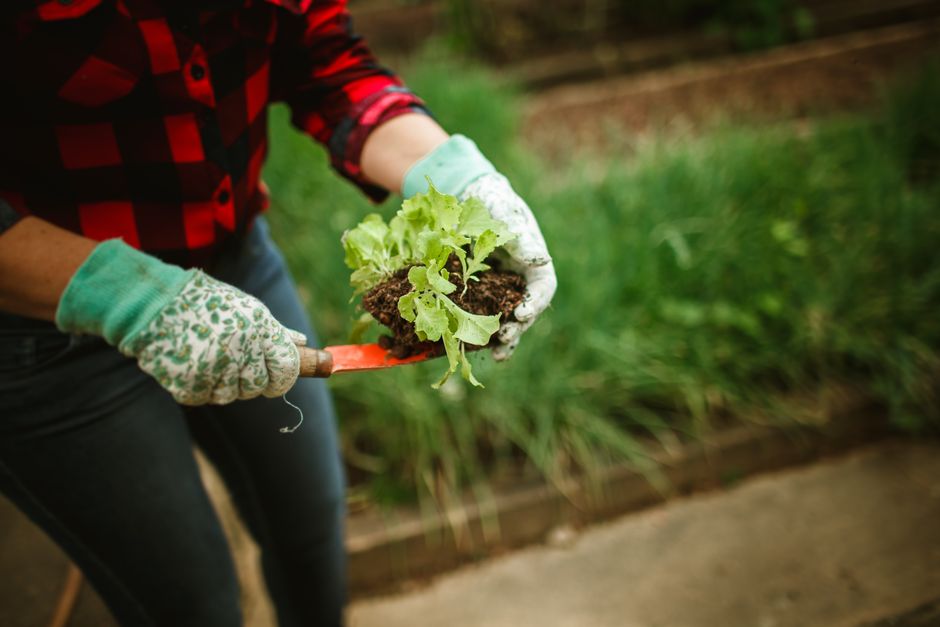
Cilantro is a popular herb known for its fresh, citrusy flavor, essential in many cuisines. Learning how to grow cilantro indoors means you can enjoy this tasty addition to your meals no matter the season or your outdoor space. Indoor cilantro growing involves providing the right light, water, and nutrients to keep this sometimes-fussy plant happy and productive right in your home. This guide will walk you through everything you need to know for a successful indoor harvest.
Why Grow Cilantro Indoors?
Growing cilantro indoors offers a steady supply of fresh herbs, independent of outdoor weather conditions and garden space limitations. This means you can have flavorful cilantro for tacos, salsas, and curries whenever you want, without trips to the grocery store. It also allows you to control the growing environment, protecting your plants from pests and harsh weather.
Freshly harvested cilantro has a much stronger and more vibrant flavor than store-bought options. Many home growers find satisfaction in cultivating their own food, and cilantro is a rewarding choice. You can start small, even with just a few pots on a windowsill, and enjoy the benefits of homegrown herbs.
What Do You Need to Start Growing Cilantro Indoors?
To begin growing cilantro indoors, you will need cilantro seeds, suitable containers with drainage, a quality potting mix, a consistent water source, and adequate light. Having these basic supplies ensures your cilantro has the best chance to thrive from the start, whether you choose a traditional soil setup or a hydroponic system.
For soil-based growing, gather these essentials:
- Cilantro Seeds: Look for varieties labeled "slow bolt" if possible, as cilantro tends to go to seed quickly in warm conditions. These varieties are bred to produce leaves for longer before flowering. You can often find these at local garden centers or online seed retailers.
- Containers: Choose pots that are at least 6-8 inches deep and wide. Cilantro has a taproot, so it appreciates deeper soil. Ensure your containers have drainage holes to prevent waterlogging. Small grow bags or recycled containers with drilled holes also work well.
- Potting Mix: A well-draining, loose potting mix is essential for cilantro. You can use a standard indoor plant mix or one specifically designed for herbs. A good mix will retain some moisture but allow excess water to drain away quickly. For a great start, check out our guide on best seed starting mix for indoor plants.
- Watering Can or Sprayer: For gentle and consistent watering. A small watering can with a fine spout or a spray bottle helps prevent washing away tiny seeds or delicate seedlings.
- Grow Lights: While cilantro can grow on a very sunny windowsill, supplemental LED grow lights are often necessary for strong, bushy growth indoors, especially during shorter winter days or in homes without abundant natural light. Position your light about 6-12 inches above the plants, following the manufacturer's recommendations.
- Nutrients: For soil growing, a balanced liquid fertilizer can be used once plants are established. Always follow the dosage on your nutrient bottle.
- Fan (Optional): A small oscillating fan can help with air circulation, strengthening stems and reducing the risk of fungal issues.
Consider Hydroponic Cilantro
Growing cilantro hydroponically is an excellent soilless option for indoor growers, often resulting in faster growth and cleaner harvests. For a hydroponic setup, you will need a small hydroponic system (like a Kratky or Deep Water Culture system), rockwool cubes or net pots for support, and a specific hydroponic nutrient solution. This method requires careful management of water quality and nutrient levels, but it can be very rewarding. If you're new to soilless growing, learning how to mix hydroponic nutrients for beginners is a great first step.
How Do You Plant Cilantro Indoors?
Planting cilantro indoors is most successful when starting from seed directly in its final container, as cilantro does not transplant well once established. You will sow seeds directly into your chosen containers, ensuring proper spacing and moisture for optimal germination and growth.
- Prepare Your Seeds: Cilantro seeds are often sold as whole seed pods (schizocarps) containing two seeds. Gently crush these pods between your fingers or with a rolling pin to split them into two halves. This helps improve germination rates by allowing water to penetrate more easily.
- Fill Containers: Fill your pots with your chosen potting mix, leaving about an inch of space from the rim. Lightly moisten the soil thoroughly before sowing the seeds.
- Sow Seeds: Plant the split seed halves about 1/4 to 1/2 inch deep. Space them approximately 2-3 inches apart if you're aiming for mature plants. If you want a denser crop for microgreens, you can sow them closer together, but for full-sized cilantro, give them room to develop.
- Cover and Water: Lightly cover the seeds with about 1/4 inch of potting mix. Gently water again, preferably with a spray bottle, to avoid disturbing the newly sown seeds.
- Provide Warmth and Light: Place your pots in a warm spot, ideally around 65-70°F (18-21°C). Consistent warmth aids germination. Provide indirect light until the seeds sprout, then move them to a brighter location or directly under a grow light for 12-16 hours a day. Germination usually takes 7-14 days, but can sometimes be longer.
How Do You Care for Indoor Cilantro Plants?
Caring for indoor cilantro plants involves providing consistent light, appropriate watering, and stable, cooler temperatures to prevent premature bolting and encourage continuous leafy growth. Cilantro is known for its tendency to bolt, so managing these factors is key.
- Light Requirements: Cilantro needs plenty of light to thrive indoors, ideally 12-16 hours per day. A south-facing window offers the most natural light, but even there, supplemental LED grow lights are highly recommended, especially during winter months or if your natural light is insufficient. Position your grow light so it provides even coverage without causing burn. Leggy, stretched plants are a clear sign of too little light.
- Watering Schedule: Keep the soil consistently moist but never waterlogged. Check the soil daily by sticking your finger about an inch deep. If it feels dry, it's time to water thoroughly until water drains from the bottom of the pot. Ensure all excess water is allowed to drain away. Overwatering is a common mistake and can lead to issues like root rot, while underwatering causes wilting and can stress the plant into bolting.
- Temperature Control: Cilantro thrives in cooler indoor temperatures, ideally between 60-70°F (15-21°C). Higher temperatures, especially above 75°F (24°C), are the primary trigger for cilantro to "bolt," which means it quickly flowers and goes to seed. Once a plant bolts, its leaves become bitter and less desirable for culinary use. Try to place your cilantro in the coolest part of your home.
- Nutrient Feeding: If growing in soil, feed your cilantro with a diluted, balanced liquid fertilizer every 2-4 weeks after the plants have developed a few true leaves. Always follow the dosage instructions on your specific nutrient bottle to avoid over-fertilization. For those growing hydroponic cilantro, use a nutrient solution formulated for leafy greens and follow the manufacturer's feeding schedule carefully.
- Air Circulation and Humidity: Good airflow around your plants helps prevent fungal diseases and strengthens stems. A small fan set on a low setting can provide gentle air movement. While cilantro doesn't have strict humidity requirements, average indoor humidity levels are generally fine. Avoid extremely dry or excessively humid conditions.
When and How to Harvest Indoor Cilantro?
You can start harvesting indoor cilantro leaves once the plants are about 4-6 inches tall and have developed several sets of true leaves, typically 3-4 weeks after planting. Regular harvesting encourages more growth and delays bolting.
- Harvesting Technique: Use clean scissors or snips to cut the outer leaves at the base of the plant, near the soil line. Avoid cutting more than one-third of the plant at any one time to allow it to recover and continue growing.
- Pinch Back Flower Stalks: If you see a flower stalk starting to form, pinch it off immediately. This redirects the plant's energy back into leaf production. Once a plant bolts, its leaves will become less flavorful.
- Succession Planting: To ensure a continuous supply of fresh cilantro, plant a new batch of seeds every 2-3 weeks. This "succession planting" method keeps new plants coming as older ones mature or bolt.
- Safety Note: Always wash your harvested cilantro thoroughly under cool running water before eating to remove any dust or potential contaminants.
Final Thoughts
Growing cilantro indoors is a rewarding way to ensure you always have fresh, fragrant herbs on hand for your culinary adventures. By providing consistent care, adequate light, and managing temperatures, you can enjoy a steady harvest of indoor cilantro. Keep experimenting and learning with your indoor garden. Explore more MicroVeg guides for tips on growing other herbs and vegetables!
Frequently Asked Questions
Why does my indoor cilantro bolt so quickly?
Indoor cilantro often bolts quickly due to high temperatures, insufficient water, or too much light. Maintain cooler temperatures (60-70°F), keep soil consistently moist, and ensure proper light duration to prevent premature flowering.
Can I grow cilantro from grocery store stems?
While you can sometimes root grocery store cilantro stems in water, it's generally not as successful for long-term growth as starting from seed. These plants are often stressed and prone to bolting.
How much light does indoor cilantro need?
Indoor cilantro needs 12-16 hours of light per day. A sunny south-facing window paired with supplemental LED grow lights is ideal for robust growth and to prevent legginess.
What kind of soil is best for indoor cilantro?
The best soil for indoor cilantro is a well-draining, loose potting mix. Ensure your pots have drainage holes to prevent waterlogging, which can harm the plant.
Explore More Plant Care Guides
 Plant Care
Crown Imperial Indoors: Can This Showstopper Thrive?
Learn if the magnificent Crown Imperial can truly thrive in your indoor container garden or on your balcony, and what challenges you might face.
 Plant Care
Christmas Cactus Bloom: 3 Secrets for Indoor Growers
Learn the simple, practical secrets to make your Christmas cactus bloom beautifully indoors, turning your home into a festive display.
 Plant Care
Prevent Algae in Hydroponics: Your Guide to Clean Systems
Discover simple, effective strategies to prevent algae in hydroponics and keep your indoor gardening system clean and your plants thriving.