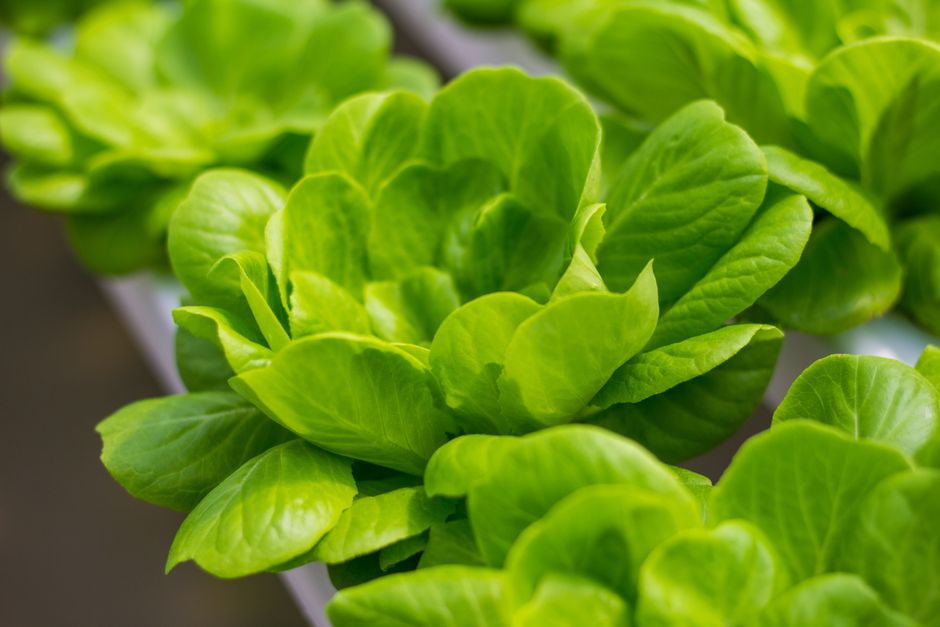
Grow Hydroponic Lettuce at Home: Simple Guide
Fresh, crispy salad greens are easier to grow indoors than most people realize. Learning how to grow hydroponic lettuce at home is one of the quickest ways to harvest clean crops year round without touching garden soil. You do not need expensive commercial equipment or complex plumbing to get started with your first indoor salad garden.
What Do You Need to Grow Hydroponic Lettuce at Home?
To grow hydroponic lettuce at home, you need lettuce seeds, net pots, growing media like rockwool cubes, a light-proof water container, and liquid hydroponic fertilizer. Lettuce requires basic gear because its root system is relatively compact and its growth cycle is fast. Simple mason jars, plastic storage tubs, or bucket systems can serve as efficient reservoirs.
Your growing media holds the seed in place while allowing roots to reach down into the nutrient solution. Rockwool cubes and coco coir plugs are popular choices for beginners because they hold moisture and air in balanced amounts. A simple two-part or single-part liquid hydroponic nutrient formula provides all the essential minerals that garden soil normally supplies.
Using a dark or opaque container is vital for success. Opaque reservoirs prevent ambient light from reaching the nutrient solution, which stops unwanted green algae from growing in your water. If you only have clear glass jars or clear plastic containers available, simply wrap them in foil or heavy paper to block light.
Choosing the Right Lettuce Seed Varieties
Butterhead, loose-leaf, and romaine lettuce varieties perform best in small indoor hydroponic setups. Leaf lettuce types are particularly generous for home growers because you can pick outer leaves continuously as the plant develops. Head lettuce varieties like iceberg take much longer to mature and demand significantly more container space, making them less practical for simple indoor growing.
- Butterhead varieties like Buttercrunch for tender, mild, buttery leaves.
- Loose-leaf varieties like Black Seeded Simpson or Red Sails for rapid harvests.
- Romaine types like Parris Island Cos for crunchy leaves in small setups.
- Rockwool cubes or coco coir starter plugs for clean seed germination.
- Liquid hydroponic nutrients designed specifically for leafy green crops.
Which Hydroponic Method Is Best for Growing Lettuce?
The passive Kratky method is the best hydroponic system for growing lettuce indoors because it requires no pumps, air stones, or electricity. Lettuce grows quickly enough that it can often complete its entire growth cycle on a single reservoir of nutrient solution. Deep water culture is another excellent choice if you want to connect an air pump for slightly faster growth.
With the passive method, you fill a clean container with water and nutrients, place the seedling in a net cup at the top, and leave an air gap between the cup and the water line. As the young plant absorbs water, the fluid level gradually drops. This expanding space leaves a humid air pocket where special air roots absorb oxygen while lower roots drink from the solution.
Selecting between different passive and active hydroponic systems comes down to how simple you want your setup to be. If you are comparing options, check our guide on Kratky vs DWC to see which method suits your daily routine and home space best. Both methods produce crisp, delicious greens.
How Do You Set Up Lighting for Indoor Lettuce?
Hydroponic lettuce requires moderate light levels for around twelve to sixteen hours each day to grow full, tender leaves. Full-spectrum LED grow lights positioned a few inches above the tops of your plants will keep them growing strong without scorching the delicate green leaves.
If your light source is placed too far away from your plants, lettuce seedlings will stretch upward toward the light and become tall, weak, and floppy. Keep light fixtures reasonably close during early seedling growth and raise them gradually as the foliage grows taller. If your young crops begin leaning or stretching, read our step-by-step guide on how to fix leggy seedlings to correct light distance and save your harvest.
Connect your lights to an automatic plug-in timer so your plants receive a consistent daily schedule of light and rest. Indoor crops need regular dark periods every night to process stored energy properly. Keeping grow lights turned on constantly can cause leaf tip burn and unnecessary stress on young plants.
How Do You Care for Hydroponic Lettuce Daily?
Daily care for hydroponic lettuce involves checking water levels, monitoring leaf health, and keeping your growing space clean. Inspect your crop every morning to make sure leaves remain bright green, firm, and free of discoloration.
Check the nutrient reservoir every few days to ensure root tips stay in contact with the nutrient liquid. As the plants drink, top off the reservoir with fresh water or a mild nutrient mix when the water level drops significantly. Always follow the specific mixing instructions on your fertilizer package, as adding too much nutrient concentrate can burn delicate roots.
Maintaining proper liquid acidity is also helpful for nutrient absorption. You can check your water with basic liquid test drops or digital meters to ensure minerals stay available to the plant roots. Adjusting your solution according to product directions keeps lettuce growing smoothly without yellowing leaves.
As an important safety precaution, always keep electrical timers, power strips, and light cords elevated and positioned away from water containers. Accidental spills can happen quickly, so keeping water and electricity separated protects you and your home. Using drip loops on power cords prevents water drops from sliding down toward wall outlets.
Position a small oscillating fan near your indoor garden to keep gentle air moving across the foliage. Good air circulation strengthens leaf stems and prevents humid air pockets from surrounding the plants. Stagnant air invites fungal issues like powdery mildew or tip rot, so a soft breeze keeps plants healthy.
When and How Should You Harvest Hydroponic Lettuce?
You can begin harvesting hydroponic lettuce within four to six weeks after planting seeds, depending on the variety and lighting conditions. You can choose to harvest individual outer leaves as needed for immediate meals or harvest the entire head all at once.
The continuous harvest method allows you to enjoy fresh salad greens over several weeks from a single plant. Use clean, sharp scissors to snip off the largest outer leaves about an inch above the base. Leave the central growing point intact so the plant can produce new leaves continuously.
When you prefer to harvest whole heads, lift the net cup from your reservoir and snip the main stem near the base of the plant. Discard the leftover root mass or compost it, and wash your reservoir thoroughly with warm soap and water before starting your next crop. Always wash harvested leaves in cold tap water before eating to remove any dust or stray growing media particles.
Final Thoughts
Learning how to grow hydroponic lettuce at home is one of the most rewarding ways to enjoy fresh salad greens in any season. With simple containers, proper lighting, and basic nutrients, you can maintain a continuous indoor harvest year round. Explore our other step-by-step guides on MicroVeg to find more easy crops for small indoor spaces.
Frequently Asked Questions
How long does it take to grow hydroponic lettuce?
Hydroponic lettuce typically matures in four to six weeks after seed germination. You can start picking individual outer leaves even earlier for quick harvests.
Can you grow hydroponic lettuce without grow lights?
You can grow hydroponic lettuce near a sunny south-facing window, but growth will be slower during winter. Supplemental LED grow lights provide much consistent results year round.
How often should you change hydroponic lettuce water?
You should completely change the reservoir water every two to three weeks to maintain balanced nutrition. Top off the reservoir with fresh water as the plants drink.
What is the easiest lettuce variety to grow hydroponically?
Loose-leaf and butterhead lettuce varieties like Buttercrunch and Black Seeded Simpson are the easiest types for beginners. They adapt well to compact indoor setups and yield continuous harvests.
Explore More Hydroponics Guides
 Hydroponics
Kratky vs Deep Water Culture: Which Hydroponic System is Right?
Choosing between Kratky and Deep Water Culture (DWC) hydroponics depends on your space, budget, and how hands-on you want to be.
 Hydroponics
How Often Should You Change Hydroponic Water?
Regularly refreshing your hydroponic nutrient reservoir is crucial for plant health, preventing imbalances, algae, and root diseases.
 Hydroponics
Set Up Your Basic Hydroponic System: A Beginner's Guide
Learn how to easily set up a basic hydroponic system at home and start growing fresh plants without soil, even if you are a complete beginner.