How to Fix Leggy Seedlings: Save Your Indoor Crops
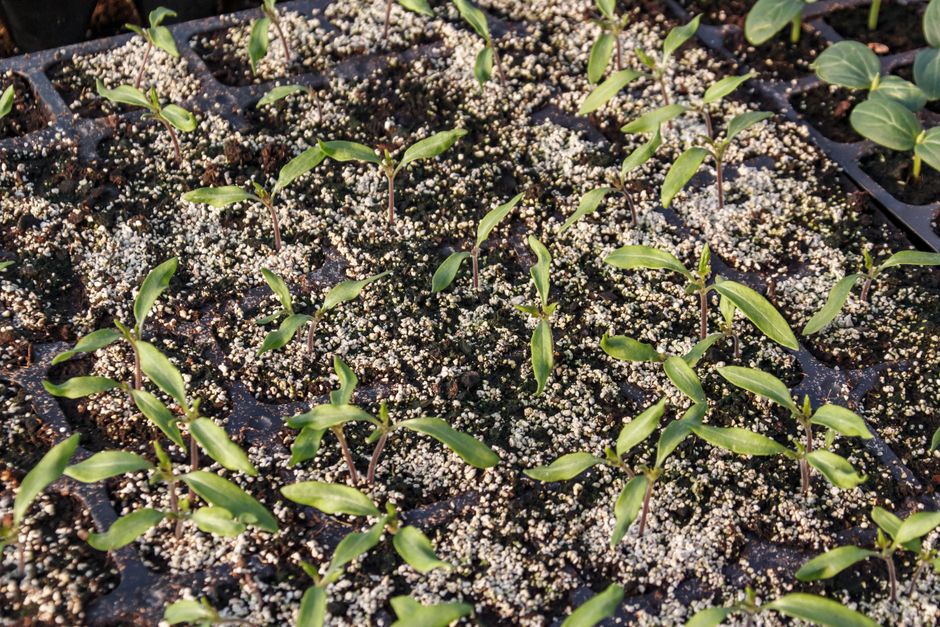
Starting seeds indoors is one of the most rewarding parts of home gardening, but watching weak stems stretch toward the light can be frustrating. If your sprouts look tall, floppy, and pale, you are likely wondering how to fix leggy seedlings before they fall over completely. Fortunately, you can save most spindly plants with a few quick adjustments to your indoor setup.
Why are indoor seedlings growing tall and thin?
Indoor seedlings grow tall and thin primarily because they are reaching for more light. When light intensity is too low or light fixtures are set too far away, plants stretch their stems as fast as possible to reach a brighter source. This stretching drains energy away from strong root and leaf development, leaving you with weak stems that cannot support themselves.
Warm ambient room temperatures can also cause stems to stretch too quickly before light levels can match their growth rate. High heat signals to the plant that spring is rushing past, causing rapid, weak cell elongation. When combined with crowded seed trays or poor air circulation, young stems stretch upward in a desperate bid to outgrow neighboring plants.
Understanding these triggers helps you prevent weak growth before it starts. Here are the main reasons your sprouts end up tall and weak:
- Grow lights are positioned too high above the top leaves.
- Light fixtures are not bright enough or are turned on for too few hours each day.
- Indoor temperatures are kept too high during the sprouting phase.
- Seeds were sown too close together in the starting tray.
- Lack of gentle air movement to stimulate stem strength.
How to fix leggy seedlings step by step
To fix leggy seedlings, you must immediately increase their light exposure and reduce surrounding heat. Acting quickly prevents stems from snapping under their own weight or collapsing during watering. Once you correct the environment, young plants can rebuild sturdy stems and thick leaves.
Adjusting grow light height and schedule
Move your grow lights much closer to the top of the plant canopy. For standard LED grow lights, check the light manufacturer's coverage chart and lower the fixtures until the tops of your plants receive bright, direct coverage without feeling excessive warmth. Keeping lights close prevents seedlings from reaching upward frantically.
Set a timer to keep your indoor lights on consistently every day. Young crops usually need broad, bright light exposure for the majority of the day to stay compact and stocky. Keep electrical cords, timers, and power strips elevated and completely clear of water trays and misting bottles to ensure a safe growing station.
Burying leggy stems deeper into potting mix
Many common crops can be saved during repotting by burying their elongated stems deeper into fresh potting mix. Solanaceous crops like tomatoes, as well as many greens, sprout tiny roots along buried stem sections when covered with moist soil. Carefully bury the stem up to the lowest set of leaves when moving plants to larger pots.
For plants that do not grow roots along buried stems, such as beans or brassicas, support fragile stems by gently mounding soil around the base. If you are learning how to transplant seedlings indoors without shock, handling tender stems by their leaves rather than their delicate stems will prevent crushing delicate plant tissue.
Can leggy seedlings recover and produce strong harvests?
Leggy seedlings can fully recover and produce bountiful harvests if you fix the growing conditions early enough. Once seedlings receive sufficient light intensity, their new growth will sprout with thicker stems, tighter leaf spacing, and darker green leaves. The early stretched portion of the stem remains thin, but new growth develops normally.
If you are growing compact edible crops like tomatoes, peppers, or greens, early leggy growth is rarely a fatal issue. Even when starting vegetable seeds in tight quarters or following tips to grow bush beans in small spaces, correcting light levels within the first two weeks of germination guarantees strong, productive plants later on.
However, if a stem has bent completely over, creased, or turned brown near the soil line, recovery is far less likely. Creased stems usually suffer from broken nutrient channels or fungal infections like damping off. In those cases, sowing a fresh batch of seeds under proper lighting is usually faster and more reliable than trying to save damaged stems.
How to build stronger seedling stems indoors
Building sturdy indoor stems requires combining bright light, ideal temperatures, and gentle physical stimulation. Plants in nature react to natural breezes by releasing plant hormones that thicken stem walls. You can recreate this natural process in your indoor garden with simple daily habits.
Place a gentle oscillating fan near your seed trays to create a light breeze across the tops of the seedlings. Set the fan on its lowest setting so leaves flutter slightly without blowing over. This gentle movement encourages plants to grow shorter, stockier stems with thicker cell walls.
Alternatively, gently brush your hand across the tops of your seedlings once or twice a day. This physical contact mimics natural wind movement and signals to the plant to focus energy on stem thickness rather than stem height. Keep room temperatures comfortable and avoid overwatering, as overly wet soil starves young roots of oxygen and weakens stem structure.
Prevention tips for indoor seed starting
Preventing leggy growth starts before your seeds even sprout. Planning your indoor space and setting up lights correctly saves time and prevents weak growth from happening in the first place.
Here are essential steps to keep indoor sprouts compact and healthy from day one:
- Position grow lights over seed trays the moment sprouts emerge from soil.
- Use adjustable light hangers or blocks so you can raise fixtures as plants grow.
- Thin out crowded seedlings early so each sprout gets direct overhead light.
- Water seedlings from the bottom to encourage deep root growth instead of tall stem growth.
- Keep seed trays away from hot radiators, heating vents, or drafty windows.
Final Thoughts
Knowing how to fix leggy seedlings is an essential skill for every indoor gardener. By adjusting your light position, burying deep stems, and providing gentle air circulation, you can transform fragile sprouts into thriving plants. Explore our other MicroVeg guides to discover more practical growing tips for your small space indoor garden.
Frequently Asked Questions
Can windowsill light stop seedlings from getting leggy?
Windowsill light is usually too weak and directional for indoor seedlings. Growing under dedicated grow lights prevents tall, stretched stems far better than a sunny window.
Should I throw away leggy seedlings?
Do not throw them away unless the stem is brown, creased, or collapsed. Most leggy seedlings recover completely once you improve light levels and repot them deeper.
How close should grow lights be to seedlings?
Check your light manufacturer instructions for exact height guidelines. Generally, keep lights close enough to provide bright direct coverage across leaves without scorching tender tissue.
Does fan air help weak seedling stems?
Yes, a gentle fan breeze prompts seedlings to build stronger stem tissue. Running a small fan on low nearby prevents weak stretching and builds sturdy stocky plants.
Explore More Plant Care Guides
 Plant Care
Pruning Chrysanthemums for Longer Indoor Blooms
Discover effective pruning techniques for chrysanthemums to ensure more vibrant and continuous blooms in your indoor garden.
 Plant Care
How to Grow Spinach Indoors: Fresh Leaves Year-Round
Learn how to grow fresh spinach indoors all year long, perfect for small spaces and a continuous harvest.
 Plant Care
Indoor Chrysanthemum Care: Avoid This Common Mistake
Bringing chrysanthemums indoors for fall decor is popular, but many home growers make a key mistake that causes these vibrant plants to quickly decline.