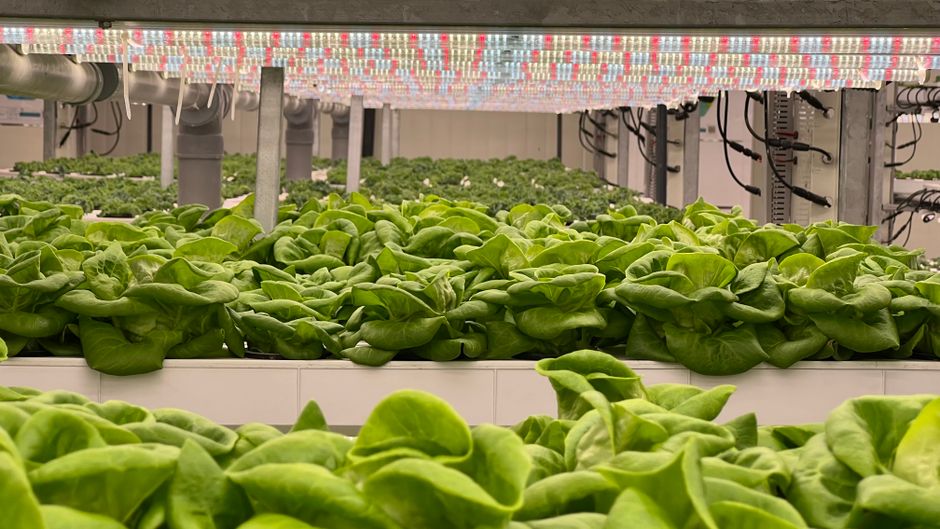
Can You Grow Lettuce Indoors Without a Grow Light?
Dreaming of fresh salads but don't have a dedicated grow light setup? You might be wondering, "Can you grow lettuce indoors without a grow light?" The good news is, absolutely yes, you can! Growing lettuce indoors without a grow light means relying on the natural sunshine from your windows to provide the energy your plants need to thrive. This guide will show you how to make the most of your available light, choose the best varieties, and enjoy a steady supply of homegrown greens right from your kitchen or windowsill.
Can You Really Grow Lettuce Indoors Without a Grow Light?
Yes, you absolutely can grow lettuce indoors without a grow light. While grow lights offer consistent, optimized conditions, many loose-leaf lettuce varieties are surprisingly adaptable and can produce a decent harvest when given enough natural light from a sunny window.
This method is perfect for home growers looking to save on electricity costs, avoid extra equipment, or simply enjoy a small, fresh harvest in a tight space. The key to success lies in understanding lettuce's light needs and making smart choices about where and what you plant.
What Kind of Lettuce Grows Best Indoors with Natural Light?
Loose-leaf and butterhead lettuce varieties are the best choices for growing indoors with natural light. These types do not need to form tight, dense heads, which makes them more forgiving in lower light conditions compared to crisphead or romaine varieties.
Look for varieties that are known for their quick growth and tolerance to some shade. Here are a few excellent options:
- Black Seeded Simpson: A classic loose-leaf variety, fast-growing and very reliable.
- Salad Bowl: Another loose-leaf favorite, known for its mild flavor and continuous harvest.
- Buttercrunch: A butterhead type that forms loose, tender heads and has a lovely texture.
- Oakleaf: This variety has distinctively shaped leaves and performs well in less intense light.
These varieties allow you to harvest individual leaves as needed, encouraging the plant to continue producing more. This "cut-and-come-again" method is ideal for a continuous supply.
How Much Natural Light Does Indoor Lettuce Need?
Indoor lettuce needs at least 4-6 hours of direct sunlight per day, or 8-10 hours of very bright indirect light, to grow successfully without a grow light. South-facing windows are usually best, providing the most intense and prolonged sunlight, especially during winter months.
East- or west-facing windows can also work, offering good morning or afternoon sun respectively. North-facing windows typically provide insufficient light for most lettuce types, leading to leggy, weak plants. If you only have north-facing windows, you might struggle to get a good harvest without supplemental light.
Maximizing Your Windowsill Light
Even with a good window, you can take steps to ensure your plants get every bit of light available:
- Keep Windows Clean: Dust and grime can block a surprising amount of light. Regularly clean your windows.
- Rotate Your Plants: Turn your containers every few days so all sides of the plant get exposure to the light. This helps prevent lopsided growth.
- Use Reflective Surfaces: Placing aluminum foil, a white board, or a mirror behind your plants can reflect light back onto them, increasing overall light exposure.
- Avoid Obstructions: Make sure curtains, blinds, or other objects are not blocking the sunlight from reaching your plants.
When setting up your indoor garden, always ensure electrical timers or anything plugged in are kept well away from water spills to prevent hazards. Safety first, even with simple setups!
Tips for Successful Windowsill Lettuce Growing
Growing healthy lettuce indoors with natural light relies on good soil, consistent watering, and proper harvesting. By paying attention to these details, you can significantly improve your chances of a bountiful harvest.
Containers and Soil
Choose containers that are at least 4-6 inches deep and have good drainage holes. Lettuce has shallow roots, but it needs consistent moisture. Plastic pots, terracotta, or even recycled food containers can work. Just make sure excess water can escape. You can find more ideas in our guide on Best Containers for Small Indoor Gardens.
Use a good quality, well-draining potting mix. A light, airy mix with some compost or coco coir will help retain moisture while allowing for good aeration. Avoid using heavy garden soil, which can compact and lead to root rot.
Watering and Nutrients
Keep the soil consistently moist, but never soggy. Lettuce is mostly water, and it needs a steady supply to grow tender leaves. Check the soil daily by sticking your finger about an inch deep. If it feels dry, it's time to water.
Since you are not using hydroponics, your lettuce will need nutrients from the soil. A balanced liquid fertilizer, diluted to half strength, can be given every 2-3 weeks once the plants have a few true leaves. Always follow the dosage instructions on your nutrient bottle.
Harvesting and Temperature
Begin harvesting individual outer leaves once they are large enough to eat. Use clean scissors to snip off leaves near the base of the plant, being careful not to damage the central growing point. This cut-and-come-again method encourages the plant to produce more leaves over several weeks. Lettuce grows best in cooler indoor temperatures, ideally between 60-70°F (15-21°C).
Troubleshooting Common Issues with Low-Light Lettuce
Even with the best intentions, you might run into a few common problems when growing lettuce indoors with natural light. The main issues are usually related to light, water, or nutrients.
Leggy Growth: If your lettuce seedlings are tall, thin, and stretching towards the window, they are not getting enough light. This is the most common issue in low-light indoor growing. Try moving them to a brighter window, cleaning the glass, or adding reflective material. You could also consider rotating them more frequently.
Slow Growth or Small Leaves: This can also be a sign of insufficient light, but it might also indicate a lack of nutrients. If you've addressed the light, ensure you are fertilizing regularly with a diluted liquid feed.
Yellowing Leaves: Yellow leaves can signal several issues. Overwatering is a common culprit, leading to root rot. Make sure your pots have drainage and the soil isn't constantly waterlogged. It could also indicate a nutrient deficiency. Our guide Why Are Your Indoor Plant Leaves Yellowing? offers more detailed solutions.
Bolting (Going to Seed): Lettuce 'bolts' when it gets too hot or experiences stress, sending up a flower stalk and turning bitter. While less common indoors with natural light, high indoor temperatures can still trigger it. Try to keep your growing area cool.
Final Thoughts
Growing lettuce indoors without a grow light is a rewarding and accessible project for any home grower, even in the smallest spaces. By choosing the right varieties, maximizing natural light, and providing consistent care, you can enjoy fresh, homegrown greens year-round. Don't be afraid to experiment with different window locations and lettuce types to find what works best for you. Explore more MicroVeg guides for additional tips on indoor gardening!
Frequently Asked Questions
What types of lettuce are best for natural light indoor growing?
Loose-leaf varieties like Black Seeded Simpson, Salad Bowl, and butterhead types such as Buttercrunch are ideal because they don't require dense head formation and tolerate lower light.
How many hours of natural light does indoor lettuce need?
Lettuce grown indoors without a grow light needs at least 4-6 hours of direct sunlight or 8-10 hours of bright indirect light daily for optimal growth.
Can I grow romaine lettuce indoors with just window light?
Romaine lettuce can be more challenging to grow indoors with natural window light alone, as it typically requires more intense light to form its characteristic crisp, upright heads.
How do I prevent leggy lettuce when growing indoors without a grow light?
To prevent leggy lettuce, ensure your plants are in the brightest window available, rotate them regularly, and consider using reflective materials to bounce more light back onto the plants.
Explore More Plant Care Guides
 Plant Care
Pruning Chrysanthemums for Longer Indoor Blooms
Discover effective pruning techniques for chrysanthemums to ensure more vibrant and continuous blooms in your indoor garden.
 Plant Care
How to Grow Spinach Indoors: Fresh Leaves Year-Round
Learn how to grow fresh spinach indoors all year long, perfect for small spaces and a continuous harvest.
 Plant Care
Indoor Chrysanthemum Care: Avoid This Common Mistake
Bringing chrysanthemums indoors for fall decor is popular, but many home growers make a key mistake that causes these vibrant plants to quickly decline.