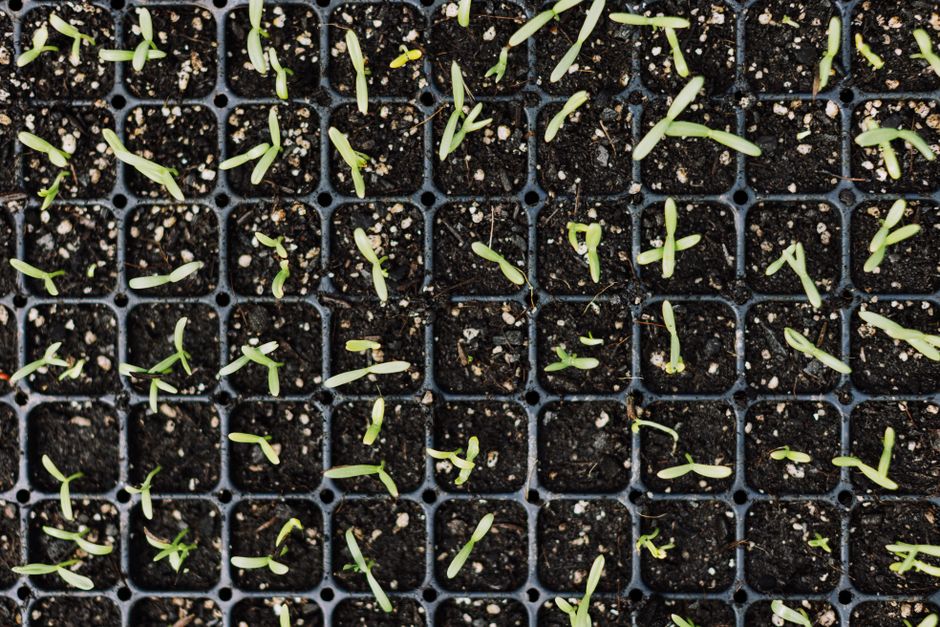
Hardening Off Seedlings: Prep for Outdoor Success
You've nurtured your seedlings indoors, watching them sprout and grow under your care. Now it's time for the big move: outside! But simply taking your tender plants from their cozy indoor spot and putting them straight into the garden can be a big shock. This is where hardening off seedlings comes in. Hardening off is the gradual process of exposing your indoor-grown plants to outdoor conditions like direct sunlight, wind, and fluctuating temperatures over a period of 7 to 14 days, preparing them to thrive in their new environment.
This gentle introduction helps your plants build resilience, reducing the risk of transplant shock and ensuring they establish themselves strongly once planted in the ground or in larger outdoor containers. Skipping this crucial step can lead to stunted growth, burnt leaves, or even plant death. Let's make sure your hard work pays off.
What is Hardening Off Seedlings and Why Do It?
Hardening off seedlings is the process of gradually acclimating young plants, grown in a protected indoor environment, to the harsher conditions of the outdoors before they are permanently transplanted. You do this to help your plants develop stronger stems, thicker leaves, and a more robust root system, making them less susceptible to stress once they are fully outside.
Indoor conditions are usually stable and mild. Think gentle grow lights, consistent temperatures, and no strong breezes. The outdoor world is much different. It brings intense direct sunlight, wind, temperature swings between day and night, and exposure to rain and beneficial outdoor microbes. Without hardening off, your plants can suffer severe transplant shock. Their delicate leaves can get scorched by the sun, their stems can break in the wind, and they might struggle to absorb water and nutrients.
When Should You Start Hardening Off Your Seedlings?
You should start hardening off your seedlings about 7 to 14 days before you plan to transplant them permanently outdoors. The exact timing depends on the type of plant and your local weather conditions.
Before you begin, make sure your plants are mature enough to handle the transition. They should have at least two sets of true leaves beyond their initial cotyledons. Check your local frost dates. Never start hardening off if there is still a risk of frost, especially overnight. Wait until daytime temperatures are consistently above 50°F (10°C) and nighttime temperatures are above 45°F (7°C) for most warm-season crops. Cooler-season crops might tolerate slightly lower temperatures, but always err on the side of caution.
How Do You Properly Harden Off Seedlings?
Properly hardening off seedlings involves a slow, steady increase in their exposure to outdoor elements. The key is gradualism, moving them out for short periods and slowly increasing the duration and intensity of their exposure.
Start by choosing a sheltered spot outdoors. This could be a porch, under a tree, or an area that receives indirect light and is protected from strong winds. Make sure you can easily move your plants back inside. As you begin, remember to keep electrical timers and pumps away from water spills if you are still using any indoor growing equipment during this transition phase.
A Step-by-Step Hardening Off Schedule
- Days 1-2: Place your seedlings in a shaded, protected spot outdoors for just 2-3 hours. Bring them back inside before late afternoon.
- Days 3-4: Increase their time outdoors to 4-5 hours, still in a shaded or partially shaded area.
- Days 5-6: Move them to a spot that gets morning sun or dappled sunlight for 6-7 hours. Avoid intense midday sun at this stage.
- Days 7-8: If the weather is mild, they can stay out for most of the day in a spot with morning sun and afternoon shade, or full sun for a few hours. Bring them in at night.
- Days 9-10: Gradually expose them to full sun for longer periods, up to 8-10 hours. Continue to bring them inside if nighttime temperatures are too cool.
- Days 11-14 (or until transplant): Leave them outdoors overnight if temperatures are consistently above your plant's tolerance level. They should be in their permanent full-sun location during the day.
Throughout this process, monitor your plants closely. If they show signs of stress like wilting, yellowing, or leaf scorch, reduce their exposure and try again more gradually. Keep their soil consistently moist, as outdoor conditions can dry out potting mix much faster than indoors. Once your seedlings are fully hardened off, they will be ready for their final home in your garden. For tips on what to do next, check out our guide on After Transplanting Seedling Care.
What are Common Mistakes to Avoid When Hardening Off?
The most common mistake when hardening off seedlings is rushing the process. Many home growers get excited to get their plants outside and expose them to the elements too quickly. This can lead to severe transplant shock, where the plants become stressed, their growth slows significantly, or they might even die.
Another frequent error is neglecting to water your plants. Outdoor wind and sun dry out soil much faster than indoor conditions, so you need to check soil moisture more often. Forgetting to bring tender plants inside during unexpected cold snaps or heavy rain is also a mistake. Always be aware of the weather forecast. Additionally, starting with weak or leggy seedlings can make the hardening off process more challenging, as these plants are already stressed and less resilient.
What Happens If You Don't Harden Off Seedlings?
If you don't harden off seedlings before moving them outdoors, they will almost certainly experience severe transplant shock. This shock is a sudden and dramatic stress reaction to the abrupt change in environment.
Without proper hardening off, your plants' delicate leaves, which are accustomed to gentle indoor light, will quickly scorch and burn under intense direct sunlight. Their stems, used to still air, will snap or become damaged by even light winds. They will struggle to regulate their water intake and often wilt dramatically. The plants may become stunted, turn yellow, or simply stop growing altogether. In many cases, unhardened plants will die within a few days of being placed outdoors, wasting all your initial efforts in seed starting.
Final Thoughts
Hardening off seedlings is a simple yet vital step in growing healthy plants from seed to harvest. By taking a little extra time to acclimate your plants to the outdoors, you are setting them up for success, ensuring they can withstand the elements and thrive in their new garden home. Patience and observation are your best tools in this process. Happy growing, and don't forget to explore more MicroVeg guides for all your indoor gardening needs!
Frequently Asked Questions
Can I harden off seedlings on a cloudy day?
Yes, cloudy days offer gentle light, making them a good starting point for the first few days of hardening off.
How long does it take to harden off seedlings?
Hardening off typically takes 7 to 14 days, depending on the plant type and current weather conditions.
Do all seedlings need to be hardened off?
Most plants started indoors that will eventually move outdoors benefit greatly from hardening off to avoid stress and ensure successful growth.
What does a "hardened off" seedling look like?
A properly hardened off seedling will appear robust and healthy, with firm stems and leaves, ready to withstand outdoor conditions without wilting.
Explore More Plant Care Guides
 Plant Care
Pruning Chrysanthemums for Longer Indoor Blooms
Discover effective pruning techniques for chrysanthemums to ensure more vibrant and continuous blooms in your indoor garden.
 Plant Care
How to Grow Spinach Indoors: Fresh Leaves Year-Round
Learn how to grow fresh spinach indoors all year long, perfect for small spaces and a continuous harvest.
 Plant Care
Indoor Chrysanthemum Care: Avoid This Common Mistake
Bringing chrysanthemums indoors for fall decor is popular, but many home growers make a key mistake that causes these vibrant plants to quickly decline.