
How to Harvest Radish Microgreens for Peak Flavor
Radish microgreens are among the fastest and easiest crops to grow on a bright windowsill or under indoor lights. Knowing how to harvest radish microgreens at the right stage ensures you get a crisp bite and signature peppery kick without tough stems. Learning how to harvest radish microgreens involves cutting the stems roughly half an inch above the growing medium using clean, sharp scissors once the first set of seed leaves opens fully.
When Are Radish Microgreens Ready to Harvest?
Radish microgreens are ready to harvest when their stems stand two to three inches tall and their seed leaves are fully open and bright green. This growth stage usually happens within seven to ten days after sowing your seeds. You want to cut your crop right before the first true leaves start to emerge between the seed leaves.
When radish greens grow past this initial stage, their stems become fibrous and tough to chew. The strong peppery flavor can also turn harsh or bitter if left on the tray too long. Checking your crop daily after the fifth day helps you spot the exact moment the seed leaves reach peak color and size.
If you notice tiny, fuzzy white root hairs near the base of the stems, do not worry. These micro roots are completely normal and show that your plants are actively taking up moisture. However, if stems begin to lean over or crowd each other too tightly, harvest them immediately to preserve fresh quality.
What Tools Do You Need to Harvest Radish Microgreens?
To harvest radish microgreens safely, you need a pair of sharp kitchen shears or a clean harvesting knife, alongside paper towels and a sealable container. Using clean, sharp blades creates precise cuts that prevent delicate stems from crushing or losing water. Blunt scissors press the stems together, which leads to early soft rot during cold storage.
You should also keep a clean tray or bowl nearby to catch the harvested greens as you snip them. Having your storage container prepared with a dry paper towel lining makes the transition from tray to fridge smooth and fast.
Sanitizing Your Shears for Food Safety
Food safety starts with clean cutting tools before you trim any edible crop. Wipe your scissor blades with rubbing alcohol or wash them thoroughly with warm, soapy water and dry them completely before cutting your greens. Clean blades keep unwanted bacteria from transferring onto your fresh harvest.
How to Harvest Radish Microgreens Step by Step
To cut radish microgreens properly, gather a small bundle of stems loosely between your fingers and snip straight across about half an inch above the soil line. Working across your tray in orderly rows ensures you maintain an even cutting height and avoid pulling up soil or medium particles.
Here is the simple step-by-step process for a clean harvest:
- Hold a small section of stems near the top leaf canopy without squeezing too hard.
- Angle your sharp scissors parallel to the soil surface or growing mat.
- Make a single, quick cut half an inch above the medium to leave dirt behind.
- Place the cut stems gently into your clean collection container without packing them down tightly.
- Repeat the process across the entire tray until all greens are harvested.
If you choose to grow microgreens without soil on a fiber mat or paper towel, you can cut slightly closer to the root base. However, leaving a small stem stump keeps the harvested greens free from seed hulls and mat fibers.
How Should You Wash and Store Fresh Radish Microgreens?
Store radish microgreens unwashed in an airtight container lined with a dry paper towel inside your refrigerator crisper drawer. Freshly cut radish microgreens stay fresh and crisp for up to two weeks when kept dry and cold. You should only wash your harvested greens under cool running water right before you plan to prepare or eat them.
Washing greens before storing them traps moisture against the delicate leaves and stems. Extra moisture in a sealed container causes cut leaves to turn slimy within a few days. The paper towel inside your storage container absorbs any natural humidity released by the cut stems over time.
Always practice food safety by giving your cut microgreens a brief rinse under cold tap water right before adding them to salads, sandwiches, or tacos. Gently pat them dry with a clean cloth towel before serving.
Final Thoughts
Mastering how to harvest radish microgreens at the peak of growth guarantees maximum flavor and crispness in every meal. By using sharp, clean tools and storing your cut stems dry in the fridge, you can enjoy fresh indoor harvests for weeks. Check your growing trays daily, harvest before true leaves appear, and explore more MicroVeg guides to keep your home indoor garden thriving!
Frequently Asked Questions
Do radish microgreens regrow after cutting?
No, radish microgreens do not regrow after harvesting because you cut away the growing point of the plant. You need to clear the tray and plant a new batch of seeds for your next harvest.
Can you eat the roots of radish microgreens?
While radish microgreen roots are edible, they are usually tough and hold onto dirt or growing medium. It is much cleaner and tastier to cut the stems half an inch above the base and discard the roots.
Why are my harvested radish microgreens wilting?
Radish microgreens wilt when cut with dull scissors or left out in warm room air after harvesting. Put cut greens directly into a chilled, sealed container in the refrigerator to keep them crisp.
How long do harvested radish microgreens last in the fridge?
Harvested radish microgreens last between 10 and 14 days when stored unwashed in a sealed container lined with a paper towel inside the refrigerator.
Explore More Microgreens Guides
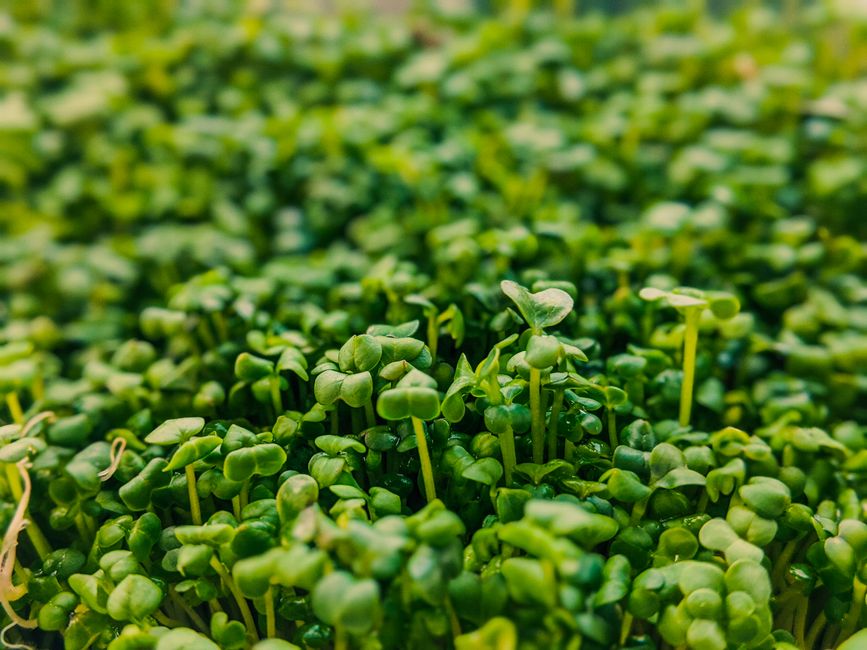 Microgreens
When to Harvest Microgreens: Your Guide to Perfect Timing
Learn the best time to harvest your microgreens for maximum flavor and nutrition, ensuring a perfect crop every time.
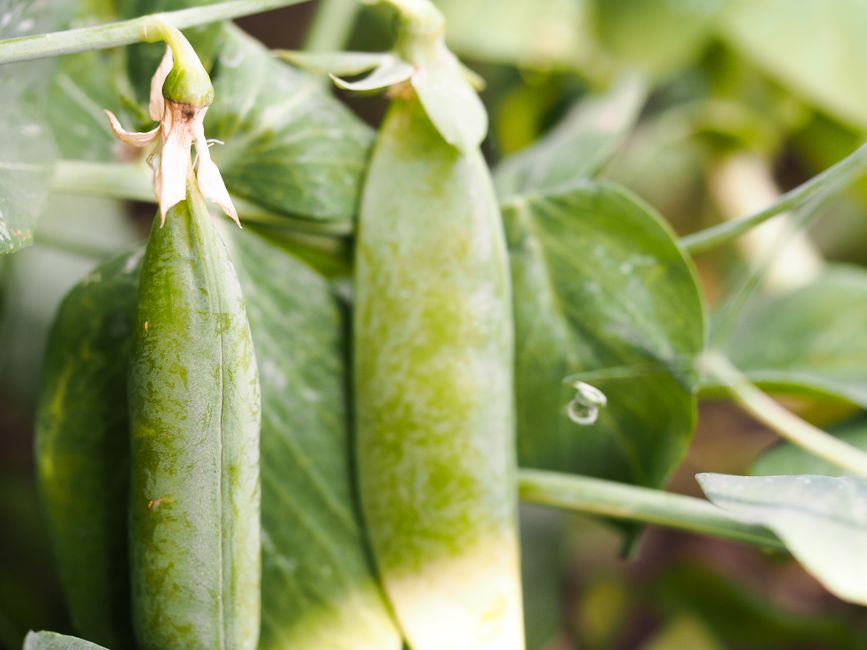 Microgreens
Can You Regrow Pea Shoots After Harvesting?
Discover how to get multiple harvests from your pea shoots by using the right cutting technique for easy indoor growing.
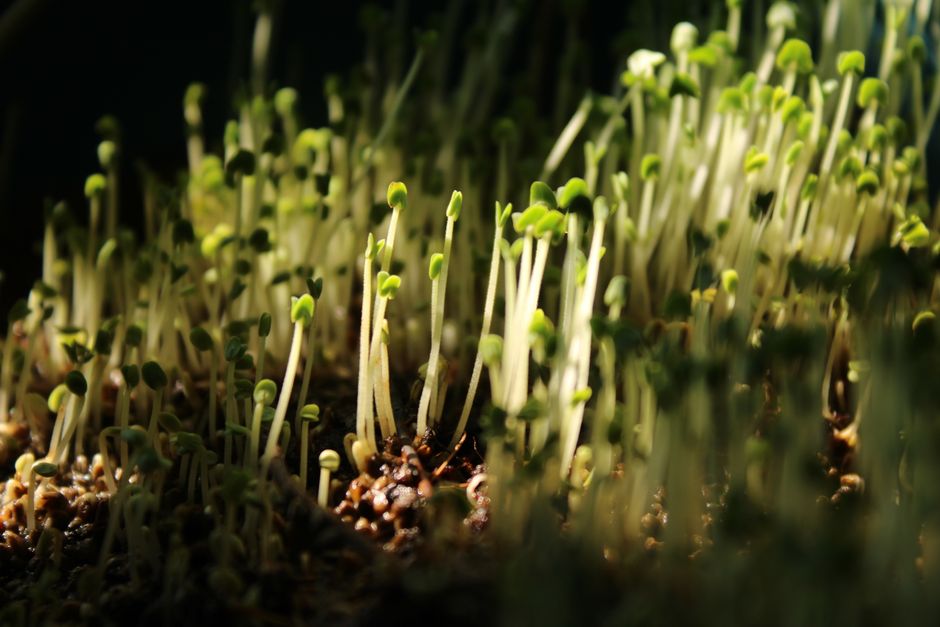 Microgreens
Easiest Microgreens to Grow: Your Quick Start Guide
Discover the easiest microgreens to grow at home with this beginner-friendly guide, perfect for quick, fresh harvests.