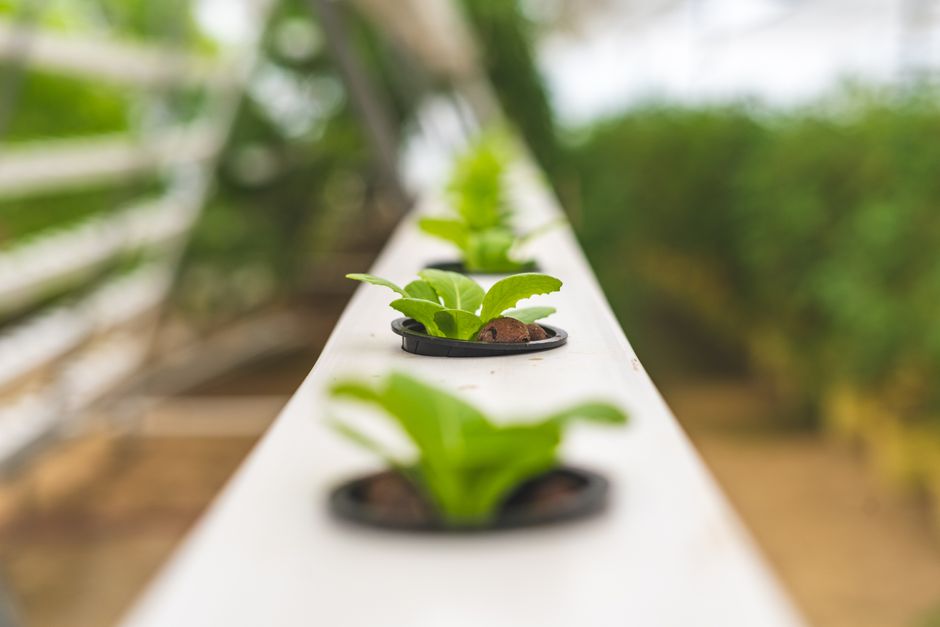
How to Mix Hydroponic Nutrients: Beginner Guide
Mixing your own water-based plant food can feel intimidating when you first start indoor gardening. Learning how to mix hydroponic nutrients correctly is actually quick and easy once you master a few fundamental habits. With basic tools and a steady routine, you can give your indoor herbs and vegetables the exact food they need to thrive.
What Do You Need to Mix Hydroponic Nutrients at Home?
To mix hydroponic nutrients at home, you need clean water, liquid or dry hydroponic fertilizer, a measuring spoon or syringe, a pH testing kit, and a clean bucket or reservoir. Gather these basic supplies before you begin so your mixing routine stays organized and easy.
Using standard outdoor soil fertilizer in a water setup will not work because soil formulas lack the full mineral balance indoor water crops demand. Always purchase fertilizers specifically labeled for hydroponic systems. These products contain nitrogen, potassium, calcium, and essential trace elements in soluble forms that plant roots can absorb immediately.
You also need a reliable way to measure liquid volumes. A simple plastic syringe, a graduated dropper, or a set of dedicated measuring spoons works great for home setups. Keep a clean wooden or plastic stick on hand to mix your solution thoroughly before checking your water quality.
Why Clean Water Matters Before Adding Fertilizers
Starting with clean, high-quality water makes nutrient management much easier over time. Standard tap water often contains minerals, chlorine, or chloramines that can react with your plant food. Leaving tap water in an open bucket overnight helps chlorine evaporate, while using filtered water provides a clean starting point for small indoor gardens.
How to Mix Hydroponic Nutrients Step by Step
To mix hydroponic nutrients safely, fill your reservoir with plain water first, add part A of your fertilizer, stir thoroughly, add part B, and finally test and adjust your pH levels. Following this strict order prevents nutrients from bonding together and becoming unusable for your plants.
Never combine concentrated plant food components directly together in a measuring cup without water. Concentrated minerals will react and form a cloudy, solid precipitation that settles at the bottom of your container. Once minerals fall out of liquid solution like this, plant roots cannot eat them.
If you are growing leafy crops, you can check our step-by-step guide on how to grow hydroponic lettuce at home to learn more about crop needs. Different crops require different feed strengths, so always follow the exact dosage instructions printed on your nutrient package.
Follow this simple step-by-step procedure whenever you prepare a fresh batch:
- Fill your clean reservoir with tap or filtered water at room temperature.
- Check your fertilizer label to find the recommended dosage for your current plant stage.
- Measure component A, pour it into the water, and stir until completely mixed.
- Measure component B, add it to the water, and stir thoroughly again.
- Test the water pH level and make fine adjustments with pH adjustment liquid.
Always practice basic safety while handling indoor gardening supplies. Keep liquid fertilizer bottles tightly closed when not in use, and store all liquid containers safely away from power strips, timer switches, and grow light wires to prevent electrical accidents during water changes.
Why Is Testing pH Important When Mixing Nutrients?
Testing pH is essential because indoor crops can only take in hydroponic plant food when the water acidity remains within a specific target range. If your liquid solution turns too acidic or too alkaline, root systems lose their ability to absorb key elements like iron, nitrogen, and calcium.
This condition is commonly called nutrient lockout. When lockout occurs, your crop will show clear signs of distress and mineral deficiency, even if your water has plenty of fertilizer in it. Checking acidity after every fresh batch ensures your plants can digest every drop of food you give them.
After mixing your fertilizer components into the water, let the reservoir sit quietly for a few minutes. Dip your pH test paper strip or digital meter into the water to take a clear reading. Check the instructions on your nutrient container to verify the target range for your specific plant family.
How to Adjust Water pH Safely
If your initial reading falls outside the ideal target range, use commercial pH Up or pH Down solutions to correct it. Add only a drop or two at a time, stir the reservoir thoroughly, and wait a few minutes before testing again. Small water volumes change quickly, so adding liquid adjustments slowly prevents severe chemical swings in your system.
How Often Should You Replace Your Hydroponic Nutrient Solution?
You should fully replace your hydroponic nutrient solution every seven to fourteen days to prevent unwanted salt buildup and keep plant food well balanced. Over time, indoor crops drink water and absorb specific minerals at different speeds, which changes the chemical composition of the remaining liquid.
Topping off your reservoir with fresh, plain water between full changes helps replace what your plants drink during warm or dry days. Avoid adding full-strength fertilizer when topping off mid-week, because adding extra food to an active reservoir can cause heavy mineral buildup around root systems.
If you notice pale foliage or slow development during the early seedling stage, read our practical guide on how to fix leggy seedlings to ensure your young plants receive enough light while feeding. Strong, healthy seedlings make the best use of nutrients as they develop strong stem structure.
Keep a regular weekly calendar reminder to drain, clean, and refill your system. Fresh water changes remove plant waste, prevent unpleasant odors, and keep pump intake valves running smoothly without organic clogs.
What Are Common Mistakes When Mixing Hydroponic Nutrients?
The most common mixing mistakes include combining raw liquid concentrates directly together, using dirty measuring spoons, overfeeding young crops, and ignoring root temperature. Avoiding these simple mistakes saves time and keeps your indoor garden growing consistently.
Many beginner indoor gardeners assume that doubling the feed dose will cause plants to grow twice as fast. In reality, strong solutions burn delicate root tips and cause leaf margins to turn brown and crispy. It is always best to start with a half-strength mix for young plants and slowly increase concentration as crops mature.
Keep these four practical tips in mind every time you mix plant food:
- Dilute every fertilizer component in water separately before adding the next one.
- Rinse measuring syringes with clean water between handling different liquid bottles.
- Stir your reservoir thoroughly before measuring pH levels to ensure accurate readings.
- Keep reservoir buckets shaded from direct light exposure to prevent unwanted algae growth.
Final Thoughts
Mastering how to mix hydroponic nutrients gives you complete control over your indoor garden and leads to healthier growth and bigger harvests. By using clean water, following careful steps, and monitoring pH levels, you can confidently nourish any small-space crop. Explore more MicroVeg guides to discover proven indoor growing tips and build your ideal home setup!
Frequently Asked Questions
Can I use regular houseplant food in hydroponics?
No, regular houseplant food lacks the complete mineral spectrum required for water-based growing and can clog your system. Always use fertilizers specifically formulated for hydroponic setups.
Should I adjust water pH before or after adding nutrients?
You should always adjust the water pH after mixing in your hydroponic nutrients. Fertilizers naturally alter water acidity, so adjusting beforehand will result in inaccurate levels.
Is tap water safe for mixing hydroponic nutrients?
Yes, tap water is fine for most home setups if you let it sit out overnight to allow chlorine to evaporate. Using filtered water provides an even cleaner baseline for sensitive plants.
What happens if I overfeed my hydroponic plants?
Overfeeding causes nutrient burn, which shows up as brown, crispy leaf tips and stunted root growth. Flush your reservoir with plain water immediately if you spot these warning signs.
Explore More Hydroponics Guides
 Hydroponics
Kratky vs Deep Water Culture: Which Hydroponic System is Right?
Choosing between Kratky and Deep Water Culture (DWC) hydroponics depends on your space, budget, and how hands-on you want to be.
 Hydroponics
How Often Should You Change Hydroponic Water?
Regularly refreshing your hydroponic nutrient reservoir is crucial for plant health, preventing imbalances, algae, and root diseases.
 Hydroponics
Set Up Your Basic Hydroponic System: A Beginner's Guide
Learn how to easily set up a basic hydroponic system at home and start growing fresh plants without soil, even if you are a complete beginner.