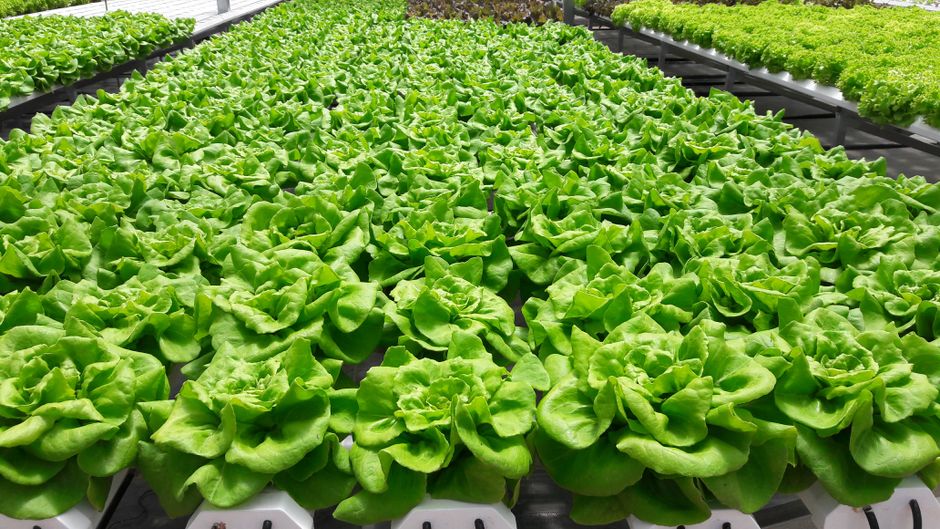
Hydroponic Root Rot: How to Spot, Fix, and Prevent It
Finding slimy, dark roots in your indoor water setup is every grower's nightmare. If left unchecked, hydroponic root rot can wipe out your crops in just a few days. The good news is that catching it early allows you to save your plants and bring your system back to full health.
What Causes Hydroponic Root Rot?
Hydroponic root rot is caused by parasitic organisms that attack plant tissue when water oxygen levels fall too low.
These microscopic invaders thrive in warm environments where water holds very little dissolved oxygen. When air pumps fail or temperatures rise, oxygen drops quickly. Roots begin to suffocate and die. The dead tissue then becomes immediate food for harmful microbes.
Stagnant water and organic debris also encourage root disease. Unused organic matter sits at the bottom of the tub and breaks down over time. This decaying matter consumes oxygen and gives unwanted microbes a ideal place to multiply.
Why Warm Reservoir Water Speeds Up Infection
Warm water holds much less oxygen than cool water. When room temperatures heat up during summer, water temperatures rise right alongside them. Low oxygen weakens the plant's natural defenses while giving swimming spores the warm conditions they need to invade root tips.
How Do You Spot Hydroponic Root Rot Early?
You can spot hydroponic root rot by checking for dark brown discoloration, mushy root texture, and a bad smell coming from the reservoir.
Healthy hydroponic roots look bright white or cream colored. They feel firm and springy when touched gently. Infected roots turn brown or black, feel slimy, and fall apart easily when handled.
The top half of your plant will also show clear signs of distress. You might notice sudden wilting even though the roots sit completely submerged in water. Leaves may show symptoms similar to yellowing leaves caused by nutrient issues, as damaged roots can no longer take up essential food.
Another clear signal is smell. A clean reservoir should smell fresh or completely neutral. If you open your reservoir lid and notice a sour, swampy odor, root disease is already active inside the system.
How to Treat Hydroponic Root Rot Step by Step
You can treat root rot by pruning away all dead root material, cleaning the remaining roots with a dilute hydrogen peroxide bath, and resetting your reservoir with fresh water.
Start by removing the plant from the system. Be gentle so you do not break healthy roots. Place the plant on a clean surface so you can inspect the damage closely. Always turn off and unplug electrical pumps and air lines before handling wet reservoir parts to prevent electrical hazards.
Next, take sharp pruning shears and sterilize them with rubbing alcohol. Carefully snip off all brown, mushy, or stringy roots until only firm, healthy tissue remains. Do not leave any soft sections behind, as even a small piece of rotten root can reinfect the whole plant.
After trimming, submerge the remaining roots in a bucket of fresh water mixed with a small amount of standard three percent hydrogen peroxide. Swirl the roots gently for a minute to sanitize them. Hydrogen peroxide breaks down into water and oxygen, killing lingering spores without harming the plant tissue.
Follow these core recovery steps during a system reset:
- Remove infected plants and isolate them from healthy crops immediately.
- Trim away all dark, soft, or decaying root strands using clean shears.
- Rinse remaining root structures in a mild hydrogen peroxide water mixture.
- Drain, scrub, and sanitize the system before refilling with fresh nutrient water.
How Do You Prevent Hydroponic Root Rot From Returning?
You prevent root decay by maintaining continuous air flow, keeping water cool, and thoroughly washing your system between grow cycles.
Oxygen is your best defense against root disease. Run air pumps constantly and use air stones to create tiny bubbles throughout the reservoir. Smaller bubbles release oxygen into the water far more efficiently than large bubbles.
Keeping your reservoir cool is equally vital. Keep your water container shaded from direct grow light heat or keep it resting on a cool floor. If ambient room temperatures get warm, consider insulating the reservoir sides or placing frozen water bottles inside the tub during heat spikes.
Regular maintenance keeps disease spores from establishing a home in your setup. Completely empty your reservoir every week or two to reset nutrient levels and clear out debris. Learning how to clean a hydroponic reservoir properly using food safe cleaners ensures old spores do not contaminate your next harvest.
Maintaining Clean System Sanitation
Cleanliness goes beyond the reservoir tub itself. Tubing, water pumps, and air stones can harbor slime hidden inside small crevices. Flush all tubing with hot water and scrub pump housings whenever you switch crops.
Final Thoughts
Spotting and taking action against hydroponic root rot quickly will save your indoor garden from total loss. Keep your water oxygenated, monitor root color during weekly checks, and keep your equipment clean to encourage strong root development. Explore our full library of indoor growing guides on MicroVeg to keep your home harvests healthy and productive year round.
Frequently Asked Questions
Can roots recover from hydroponic root rot?
Yes, plants can recover from root rot if you catch it early and trim away all damaged roots. Sanitizing the system and adding extra aeration gives remaining healthy roots a chance to regrow.
What color should healthy hydroponic roots be?
Healthy hydroponic roots should be bright white or pale cream. Roots that turn dark brown, black, or grey are usually suffering from fungal decay.
Does hydrogen peroxide kill hydroponic root rot?
Standard three percent hydrogen peroxide kills root rot spores on contact by releasing oxygen molecules. Using a diluted bath sanitizes roots without damaging healthy tissue.
Why does my hydroponic water smell like rotten eggs?
A foul or swampy odor from your reservoir indicates stagnant water and anaerobic microbial growth. Flushing the water and adding fresh oxygen will stop the bad smell.
Explore More Hydroponics Guides
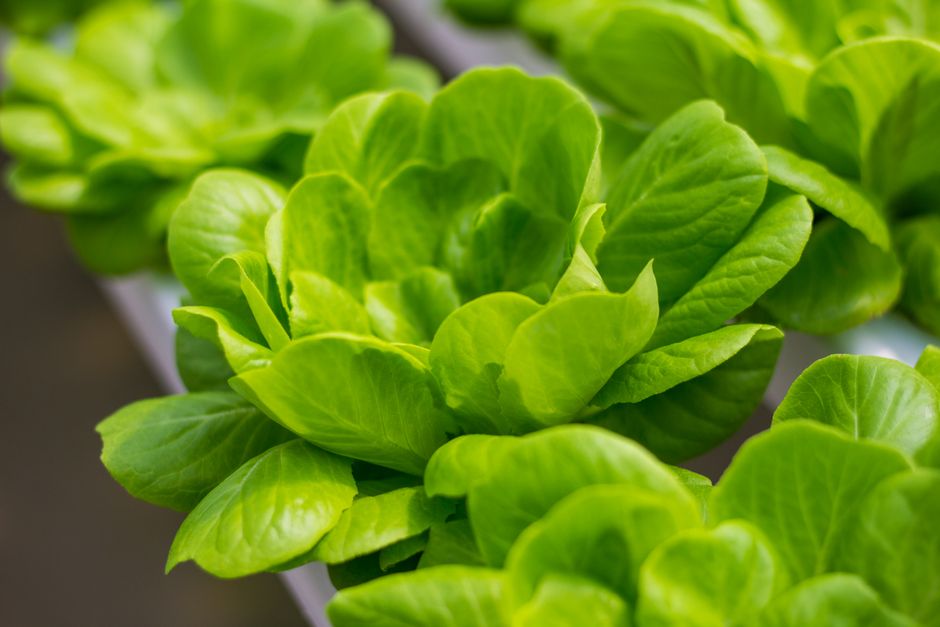 Hydroponics
Kratky vs Deep Water Culture: Which Hydroponic System is Right?
Choosing between Kratky and Deep Water Culture (DWC) hydroponics depends on your space, budget, and how hands-on you want to be.
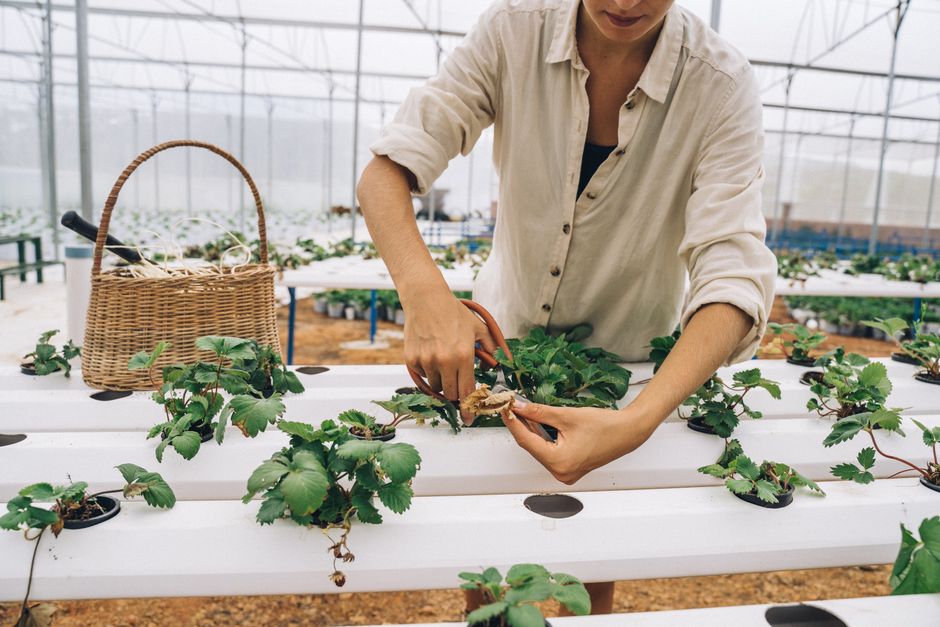 Hydroponics
How Often Should You Change Hydroponic Water?
Regularly refreshing your hydroponic nutrient reservoir is crucial for plant health, preventing imbalances, algae, and root diseases.
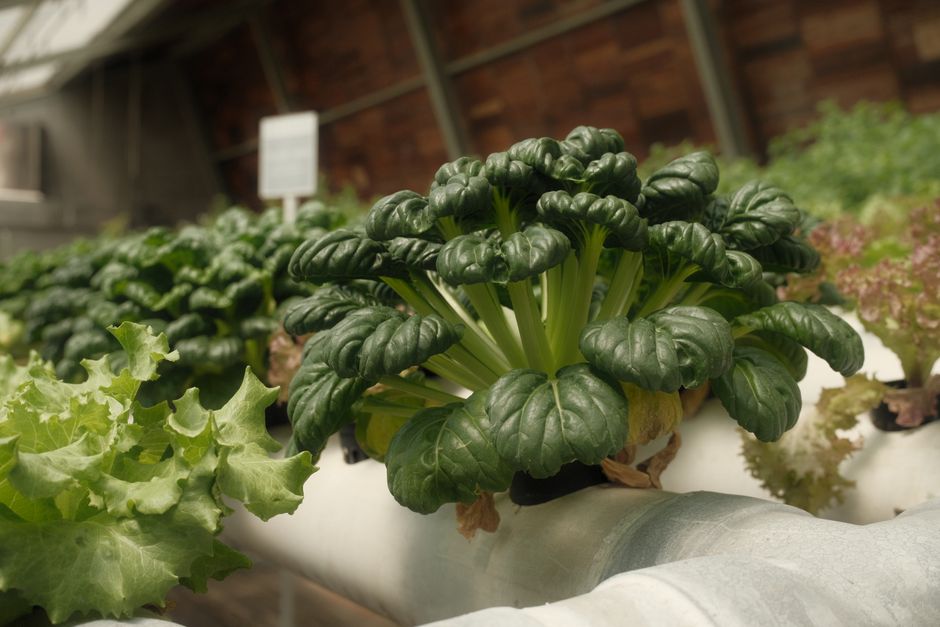 Hydroponics
Set Up Your Basic Hydroponic System: A Beginner's Guide
Learn how to easily set up a basic hydroponic system at home and start growing fresh plants without soil, even if you are a complete beginner.