Why Are My Seedlings Turning Yellow? 5 Easy Fixes
If you notice your young plants dropping their vibrant green color, you are likely asking yourself, why are my seedlings turning yellow? Yellow seedling leaves are a common signal that your tiny crops need a quick adjustment in their growing environment. In this helpful guide, you will learn the exact causes behind pale foliage and how to bring your indoor starts back to robust health.
Why Are My Seedlings Turning Yellow from Overwatering?
Overwatering is the single most frequent reason young sprouts lose their bright green color. When the growing medium stays constantly soaked, tiny root hairs drown because they cannot access oxygen. Without air, roots fail to function and cannot absorb essential minerals from the soil.
Soggy conditions also lead to root rot, which causes foliage to turn pale yellow, droop, and soften. If your seed tray feels heavy and the surface stays wet for days, your plants are getting far too much water.
How to Test Moisture and Save Soaked Seedlings
Checking soil moisture takes only a few seconds. Press your fingertip gently half an inch into the growing medium. If it feels wet and muddy, hold off on watering until the top layer feels slightly dry to the touch.
Always make sure your seed trays have open drainage holes at the bottom so excess water drains away freely. If your plants are crowded together and moisture stays trapped around the stems, learn how to thin seedlings to improve airflow around every plant.
Can Inadequate Lighting Cause Yellow Seedling Leaves?
Yes, insufficient light directly causes yellow seedling leaves because plants need bright light to produce chlorophyll. Chlorophyll is the green pigment responsible for absorbing energy during photosynthesis. Without strong light, young plants turn pale, weaken, and stretch tall toward any weak light source.
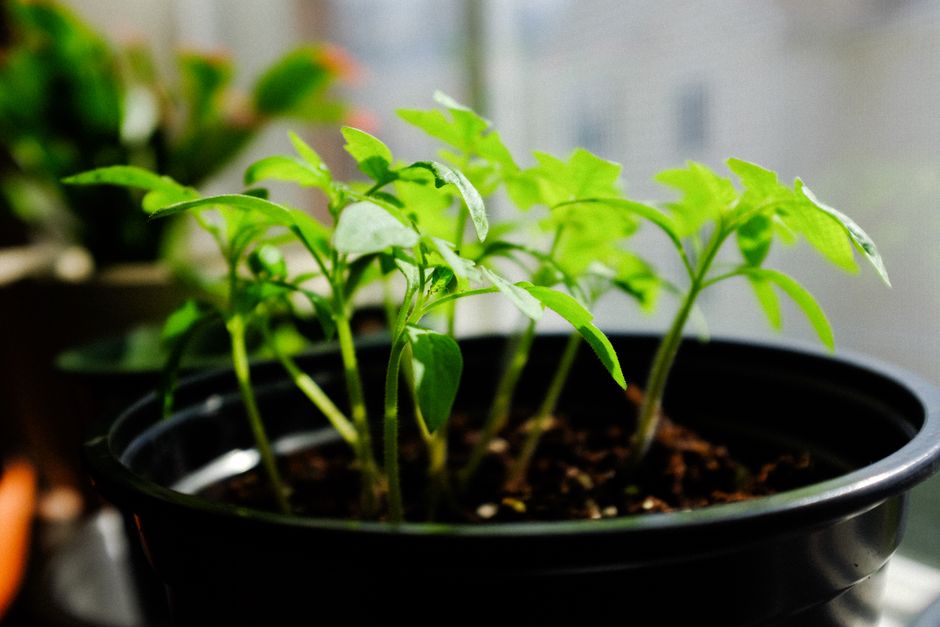
Window light alone is rarely bright or consistent enough during early spring months. Seedlings grown on sunny sills often become pale yellow and weak as they lean hard toward the glass.
How to Fix Light Issues for Healthy Green Growth
Using dedicated indoor grow lights ensures your crops get the full intensity they need. Position your light fixtures close enough above the canopy to provide strong coverage without burning the leaves. Check the guidelines from your light manufacturer for recommended hanging heights.
Run your grow lights on a steady automatic timer every day so your plants receive consistent daily light cycles. For basic home safety, keep all electrical plugs, power strips, and timer units elevated and completely clear of water spills when caring for your trays.
Is a Nutrient Deficiency Making Your Seedlings Turn Yellow?
A nutrient deficiency will cause seedling leaves to pale once the plant exhausts the energy stored inside its seed. Seeds carry built-in nutrients that fuel early germination and initial growth. However, once true leaves emerge, young roots require external nutrition to sustain growth.
If young leaves turn uniform yellow while lower leaves look faded, your plants likely lack nitrogen. Nitrogen is the core element responsible for leaf development and healthy green pigmentation.
Fixing nutrient deficiencies requires a light hand. Start feeding your sprouts with a mild liquid plant food diluted to a fraction of the standard dosage recommended on the bottle. If you grow in soilless media, read our comparison of rockwool vs coco coir to see how different growing media hold onto nutrients. Never apply full-strength fertilizer to delicate young roots, or you risk burning them completely.
Why Are Cotyledons Turning Yellow and Dropping Off?
Seedling cotyledons turning yellow and falling off is usually a natural part of plant development. Cotyledons are the smooth, rounded seed leaves that appear first during germination. They serve as temporary starter packs that feed the plant until true leaves grow.
Once true leaves mature and begin full photosynthesis, the plant naturally sheds its cotyledons. The plant redirects its energy upward into fresh foliage, causing the initial seed leaves to turn yellow, shrivel, and drop.
You only need to intervene if the true leaves yellow at the same time. As long as fresh upper leaves remain deep green and upright, dropping cotyledons is completely normal. Gently pick away fallen seed leaves from the tray surface so they do not rot on top of damp soil.
How Do Temperature Spikes and Drafts Cause Yellowing?
Temperature fluctuations shock tender root systems and slow down internal mineral transportation. Cold drafts from leaky windows or cool basement floors cause roots to shut down, leaving foliage pale and stunted. Conversely, excessive heat from direct radiators or enclosed light setups dries out leaf tissue faster than roots can drink.
Maintain a comfortable, warm ambient temperature around your indoor growing space. Avoid placing trays directly on cold concrete surfaces or right next to exterior doors. Using a raised shelf keeps root zones warm, encouraging clean root extension and steady green growth across all your trays.
Common Seedling Yellowing Mistakes to Avoid
Preventing foliage discoloration is much easier than fixing stressed crops. Avoid these common mistakes when starting seeds indoors:
- Pouring water directly over delicate tops instead of watering gently from the base.
- Using dark containers without bottom drainage holes that trap excess moisture.
- Applying full-strength garden fertilizer to delicate young sprouts.
- Leaving grow lights on for 24 hours straight without giving plants a natural dark rest period.
- Placing trays on cold stone floors without insulation underneath.
Final Thoughts
Fixing yellow seedling leaves comes down to balancing moisture, light, and soft feeding while keeping temperatures comfortable. Once you diagnose why are my seedlings turning yellow, you can make quick adjustments to keep your indoor garden thriving. Explore our full library of indoor growing guides to keep your home crops healthy from seed to harvest.
Frequently Asked Questions
Can yellow seedlings turn green again?
Yes, young leaves can regain their green color once you fix underlying issues like overwatering or low light. Severely damaged lower leaves may drop off, but fresh new growth will emerge healthy.
How often should I water indoor seedlings?
Water your seed trays only when the surface layer of soil begins to dry out slightly. Never keep the soil constantly soaked, and always allow excess moisture to drain completely.
When should I start fertilizing young seedlings?
Start feeding young plants once their first set of true leaves fully develops. Use a diluted liquid fertilizer at a fraction of the standard label strength.
Does cold air make seedling leaves turn yellow?
Yes, exposure to cold drafts or low temperatures slows down root absorption and turns young leaves pale or yellow. Keep seed trays in a warm, sheltered indoor area.
Explore More Plant Care Guides
 Plant Care
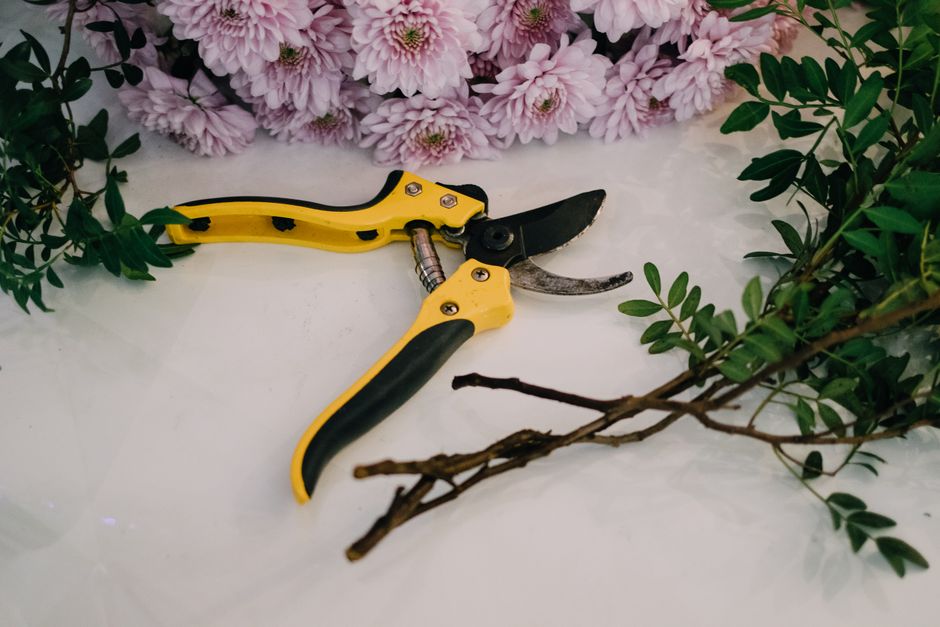
Pruning Chrysanthemums for Longer Indoor Blooms
Discover effective pruning techniques for chrysanthemums to ensure more vibrant and continuous blooms in your indoor garden.
 Plant Care
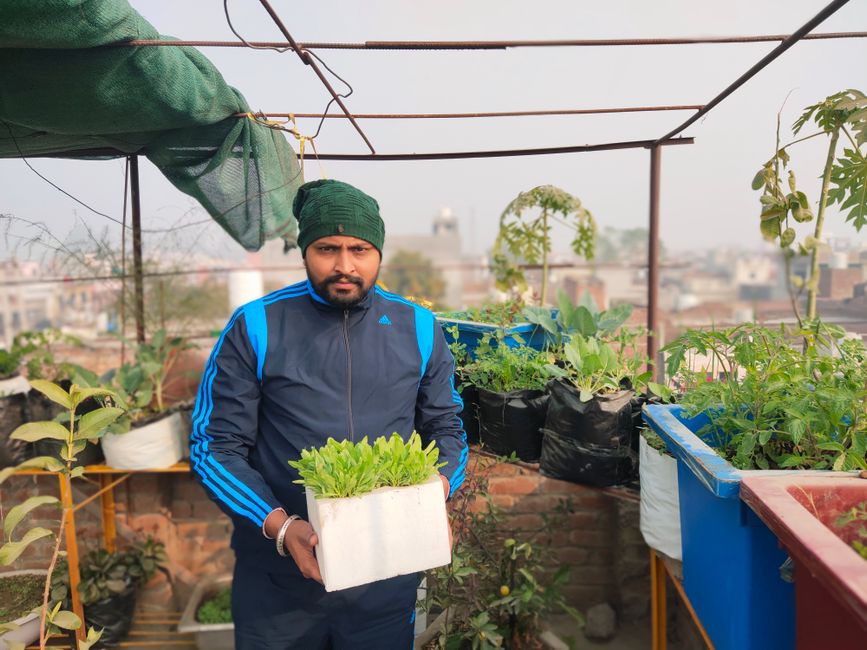
How to Grow Spinach Indoors: Fresh Leaves Year-Round
Learn how to grow fresh spinach indoors all year long, perfect for small spaces and a continuous harvest.
 Plant Care
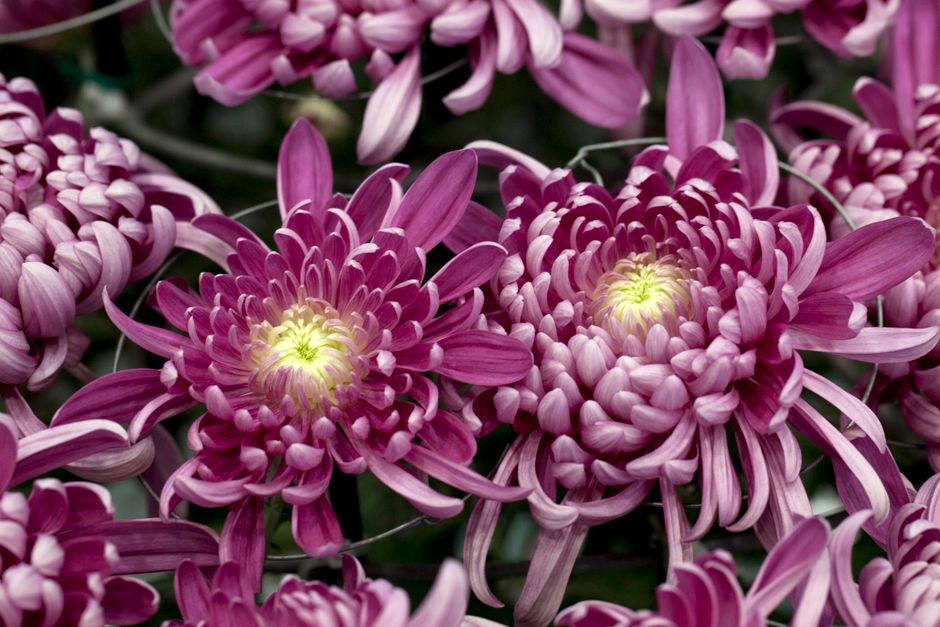
Indoor Chrysanthemum Care: Avoid This Common Mistake
Bringing chrysanthemums indoors for fall decor is popular, but many home growers make a key mistake that causes these vibrant plants to quickly decline.