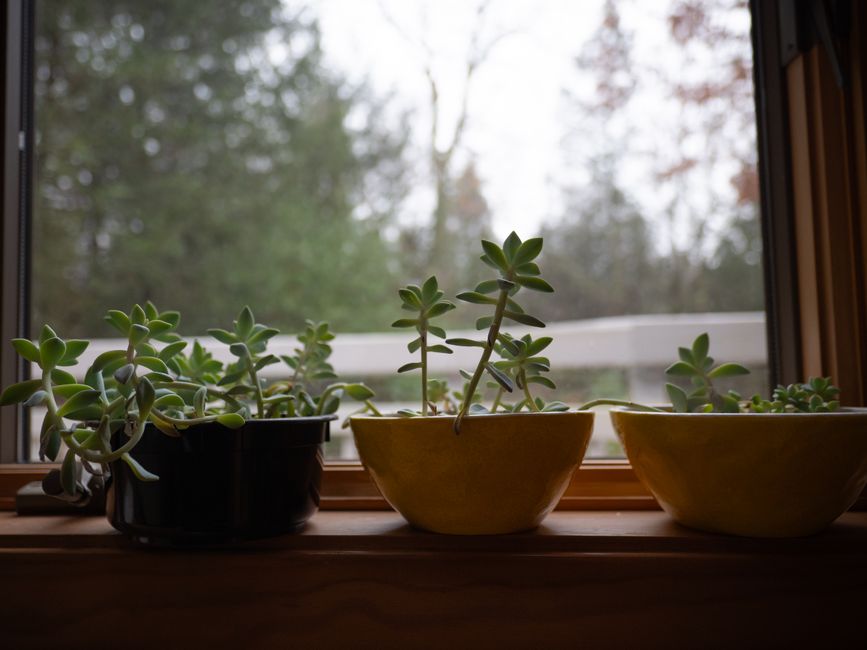
Why Are Your Indoor Plant Leaves Yellowing? Fix It!
Seeing your once-vibrant indoor plants develop yellowing leaves can be disheartening. It is a common sign that your plant is stressed or experiencing an imbalance in its environment. When indoor plant leaves turn yellow, it typically indicates a problem with watering, nutrient availability, light, or temperature. Understanding the specific cause is the first step to helping your plant recover and thrive again in your small space garden.
Why Do Plant Leaves Turn Yellow?
Plant leaves turn yellow, a condition called chlorosis, when they are not producing enough chlorophyll, the green pigment essential for photosynthesis. This lack of chlorophyll can be triggered by a variety of factors, from simple watering mistakes to more complex nutrient deficiencies or light imbalances. Identifying the exact reason for the yellowing leaves is crucial for providing the right solution and restoring your plant's health.
Often, the location of the yellowing and other symptoms can give you clues. Are only the oldest leaves yellowing, or is it new growth? Is the yellowing uniform across the leaf, or are the veins staying green? Observing these details carefully will help you narrow down the problem.
Is a Nutrient Deficiency Causing Yellow Leaves?
Yes, nutrient deficiencies are a very common reason for yellowing leaves in indoor plants, especially in hydroponic systems where plants rely entirely on dissolved nutrients. When a plant lacks essential nutrients like nitrogen, iron, or magnesium, it cannot produce enough chlorophyll. Each deficiency often presents with distinct patterns of yellowing.
Common Nutrient Deficiencies and Their Signs
- Nitrogen (N) Deficiency: This is perhaps the most common cause of overall yellowing. You will usually see older, lower leaves turn uniformly yellow first, as the plant moves nitrogen to newer growth. The entire plant may look pale green.
- Iron (Fe) Deficiency: Iron deficiency causes yellowing between the veins of younger, upper leaves while the veins themselves often remain green. This pattern is sometimes called interveinal chlorosis.
- Magnesium (Mg) Deficiency: Similar to iron, magnesium deficiency also causes interveinal yellowing, but it typically starts on older leaves. The leaf margins might also turn yellow or reddish-purple.
- Potassium (K) Deficiency: Yellowing or browning often appears along the edges of older leaves, sometimes accompanied by brown spots.
To address nutrient deficiencies, first ensure your plant is receiving a balanced nutrient solution designed for its growth stage. In hydroponics, check your nutrient solution's concentration and replenish it regularly. For soil plants, consider a balanced liquid fertilizer. Always follow the dosage instructions on your chosen nutrient product.
For hydroponic growers, periodically checking your nutrient solution's strength is important. Learning how to measure hydroponic nutrient strength can help you ensure your plants are getting what they need. Also, remember that your nutrient solution needs to be changed regularly to provide fresh nutrients and prevent buildup. Our guide on when to change hydroponic nutrients offers practical advice.
Are You Overwatering or Underwatering Your Indoor Plants?
Both overwatering and underwatering can lead to yellowing leaves, though they present with different clues. Proper watering is fundamental to healthy indoor plants, whether they are in soil or a hydroponic system.
Overwatering: This is one of the most frequent reasons for yellow leaves. When plants are overwatered, their roots can't access enough oxygen, essentially suffocating them. This root stress prevents the plant from taking up water and nutrients efficiently. Overwatered plants often show uniformly yellow leaves that may feel soft or mushy, and the soil will typically be constantly damp. In hydroponics, this can manifest if the roots are perpetually submerged without adequate air stone oxygenation, or if the medium stays too wet.
Underwatering: While less common than overwatering, not giving your plants enough water can also cause yellowing. Underwatered plants usually have dry, crispy yellow or brown leaves that may drop off. The soil will feel completely dry to the touch, and the plant might appear wilted. For hydroponics, this means checking your reservoir levels regularly to ensure roots are always in contact with the nutrient solution.
To fix watering issues, always check the moisture level of your growing medium before watering. For soil plants, stick your finger an inch or two into the soil. Water only when the top layer feels dry. For hydroponic systems, ensure your pump and air stone are working correctly and that your roots have enough access to oxygen. Keep electrical timers and pumps away from water spills to prevent hazards.
Could Light Problems Be Making Leaves Yellow?
Yes, both too much and too little light can cause your indoor plant leaves to turn yellow. Light is crucial for photosynthesis, and an imbalance directly impacts chlorophyll production.
Too Little Light: Plants not receiving enough light will struggle to photosynthesize. This often results in pale green or yellowing leaves, especially on lower growth, and plants may become leggy. If your plant is in a dim corner or far from a window, consider moving it closer to a light source or supplementing with a grow light. Our guide on how long to run grow lights for indoor plants can help you find the right duration.
Too Much Light: While less common, some plants can get "sunburned" or stressed by excessively intense light, especially if they are moved suddenly into a brighter spot or if your grow light is too close. This can cause leaves to yellow, often starting with browning or crisping edges. Adjusting the distance of your grow light or providing some shade can help. Always refer to your grow light manufacturer's recommendations for ideal plant distance. If you are looking for a new setup, our guide what to look for in LED grow lights can help.
Observe your plants closely. Are the leaves closest to the light source showing stress? Or are the leaves furthest away suffering? This will help you determine if you need to increase or decrease light exposure.
What Else Can Cause Yellowing Leaves on Indoor Plants?
Beyond the main culprits, several other environmental factors and issues can contribute to yellowing leaves on your indoor plants.
- Pests: Tiny insects like spider mites, aphids, or thrips can suck sap from leaves, leading to yellow spots or overall yellowing. Inspect the undersides of leaves and stems for any signs of pests. If found, treat immediately with appropriate organic pest control methods.
- Temperature Stress: Sudden drops or spikes in temperature, or consistent drafts, can stress plants and cause leaves to yellow and drop. Keep your plants in a stable environment away from vents, open windows in winter, or direct heating/cooling sources.
- pH Imbalance (Hydroponics): In hydroponic systems, an incorrect pH level in your nutrient solution can lock out essential nutrients, even if they are present. This means the plant cannot absorb them, leading to deficiency symptoms like yellowing. Regularly test and adjust your pH to the optimal range for your specific plants.
- Root Problems: Aside from overwatering, physical root damage, root bound conditions in pots, or diseases like root rot (especially in hydroponics if water is stagnant) can impair a plant's ability to absorb water and nutrients, resulting in yellowing leaves. Healthy roots are usually white or light colored.
- Acclimation Stress: When you bring a new plant home or move it to a different spot, it might experience temporary stress, causing some older leaves to yellow and drop. This is often normal as the plant adjusts to its new environment.
Final Thoughts
Tackling yellowing leaves on your indoor plants requires a bit of detective work, but by systematically checking for common issues like nutrient levels, watering, and light, you can usually diagnose and resolve the problem. Healthy, green foliage is a sign of a happy plant ready to produce. Keep observing your plants daily and you will become a pro at understanding their needs. Don't stop here, explore more MicroVeg guides for all your indoor growing needs!
Frequently Asked Questions
Can yellow plant leaves turn green again?
Once a leaf has turned fully yellow due to chlorosis, it is unlikely to regain its green color. Focus on correcting the underlying problem so new growth emerges healthy and green.
Should I remove yellow leaves from my indoor plant?
Yes, once a leaf is fully yellow and clearly dying, it is best to gently remove it. The plant will naturally shed it, but removing it manually helps the plant conserve energy for new, healthy growth.
How often should I check my indoor plants for yellowing leaves?
It is a good practice to check your indoor plants daily or every other day. Early detection of yellowing or other issues allows you to address problems quickly before they become severe.
Does pH level affect yellowing leaves in hydroponics?
Absolutely. An incorrect pH level in your hydroponic nutrient solution can prevent plants from absorbing essential nutrients, even if those nutrients are present, leading directly to yellowing leaves and other deficiency symptoms.
Explore More Plant Care Guides
 Plant Care
Pruning Chrysanthemums for Longer Indoor Blooms
Discover effective pruning techniques for chrysanthemums to ensure more vibrant and continuous blooms in your indoor garden.
 Plant Care
How to Grow Spinach Indoors: Fresh Leaves Year-Round
Learn how to grow fresh spinach indoors all year long, perfect for small spaces and a continuous harvest.
 Plant Care
Indoor Chrysanthemum Care: Avoid This Common Mistake
Bringing chrysanthemums indoors for fall decor is popular, but many home growers make a key mistake that causes these vibrant plants to quickly decline.