Is Bagged Soil Safe for Indoor Container Gardening?
Grabbing a bag of potting soil from the local store feels like the fastest way to get your indoor plants started. Yet many home growers discover that pre-packaged mixes bring unexpected headaches straight into their living rooms. Understanding the hidden risks of commercial soil helps you make smart choices for your pots and grow shelves.
Is Bagged Soil Bad for Indoor Plants?
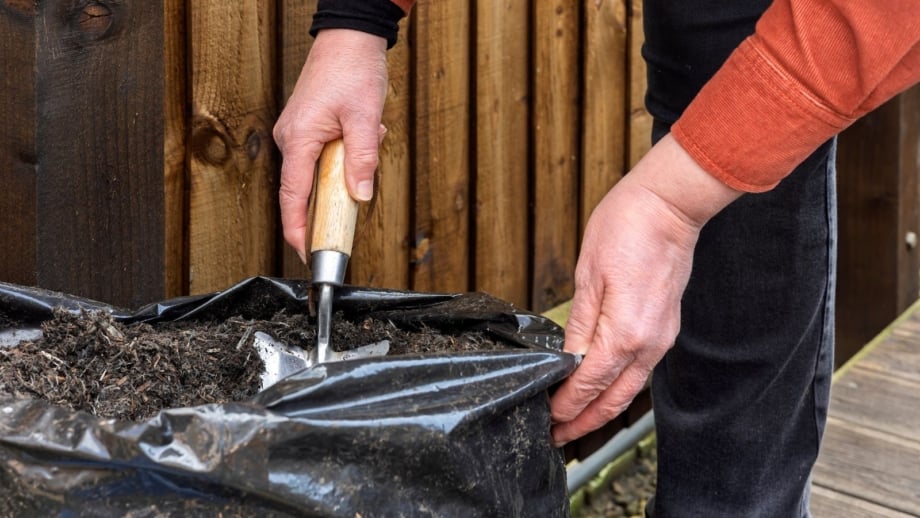
Bagged soil is not inherently bad, but cheap or poorly stored commercial mixes can introduce severe pest infestations and root diseases to your home. Retailers frequently leave heavy soil pallets stacked outside on wet concrete exposed to rain, heat, and outdoor insects. Tiny ventilation holes in plastic bags allow moisture, fungus gnat adults, and weed seeds to crawl right inside before you ever buy the bag. When you open that sealed plastic inside your warm living space, those dormant problems wake up quickly. Washing your hands thoroughly and cleaning your workspace after handling store bought soil helps prevent spreading unknown microbes around your kitchen or planting station. For growers who want tight control over their grow area, relying entirely on factory mixed dirt can feel like a gamble every single season.
What Are the Risks of Using Commercial Bagged Soil?
The main risks of buying commercial bagged soil involve hidden insect eggs, poor drainage quality, inconsistent nutrient levels, and anaerobic bacteria buildup. Because manufacturers process massive volumes of organic waste, quality control varies wildly from one batch to the next. Some bags contain heavy wood fragments that have not fully decomposed, which actively tie up soil nitrogen instead of feeding your growing plants. Other mixes pack down too tightly inside small indoor containers, smothering tender young roots that need plenty of oxygen. Sealed plastic bags stored in warm sun can also harbor sour anaerobic microbes that trigger rapid root rot as soon as you water your pots.
Pest Eggs and Fungus Gnats
Fungus gnat larvae are by far the most persistent pest hiding inside store bought soil bags. These microscopic insects feed on delicate root hairs in wet growing media, causing yellowing leaves and stunted growth on young seedlings. Once a single infested bag enters your house, adult gnats hatch and fly straight to your other houseplants and tray setups. Eradicating an established gnat population across multiple containers can take weeks of continuous effort and sticky traps.
Should You Make Your Own Indoor Potting Mix?
Yes, mixing your own substrate using loose coconut coir, perlite, and clean amendments is much safer and more reliable than buying pre-made soil bags. Blending your own growing media guarantees that every ingredient starts out clean, light, and tailored specifically for indoor light setups. You can easily adjust the fluffiness of the mix so water drains rapidly from small pots without compacting over time. Homemade growing mixes eliminate the mystery of factory fillers while drastically reducing the risk of bringing bugs into your home.
Simple Ingredients for Custom Blends
A dependable DIY recipe starts with hydrated coconut coir or clean peat moss as a fluffy base layer. Mix in coarse perlite or vermiculite to create tiny air pockets that keep roots breathing happily under artificial lights. Finish with a gentle splash of screen-tested worm castings or balanced dry organic fertilizer according to the package instructions. This light combination holds moisture evenly without drowning roots or turning into heavy mud inside your containers.
How Can You Sterilize Bagged Soil Before Using It?
You can sterilize questionable bagged soil by heating it in your kitchen oven or microwave to kill hidden bug eggs and weed seeds. Dampen the soil slightly, spread it evenly across a deep baking sheet, and cover it loosely with foil before heating. Keep a close eye on the process and let the material cool completely before filling your pots or starting tender microgreen trays. Heat treating takes a little bit of time, but it offers extra insurance when you must use store bought soil for indoor planting.
Final Thoughts
Commercial soil offers convenience, but taking a closer look at what you bring inside protects your home garden from frustrating pests and soggy roots. Switching to clean coconut coir or sterilizing store bought bags keeps your indoor space clean and healthy. Taking control of your growing substrate gives your potted plants the strong start they deserve.
Frequently Asked Questions
How do you know if bagged soil has fungus gnats?
You can spot fungus gnats by checking for tiny flying insects near the bag opening or noticing a damp, sour smell inside. Setting up yellow sticky cards near newly opened bags quickly reveals if adult gnats are present.
Can bagged potting soil go bad over time?
Yes, bagged soil degrades over time as organic matter breaks down into dense dust. Bags stored outdoors in wet conditions can also grow sour mold or harbor anaerobic bacteria that harm plant roots.
Is coconut coir safer than bagged soil for indoor plants?
Coconut coir is generally much safer because it comes compressed, dried, and sterile. It carries almost no risk of harboring soil pests, weed seeds, or plant diseases in your home.
Why does store bought soil get hard and crusty?
Store bought soil hardens when it relies heavily on low quality peat moss or fine clay that compacts after watering. Mixing in coarse perlite or coco coir keeps the texture light and porous.
Explore More Plant Care Guides
 Plant Care
Pruning Chrysanthemums for Longer Indoor Blooms
Discover effective pruning techniques for chrysanthemums to ensure more vibrant and continuous blooms in your indoor garden.
 Plant Care
How to Grow Spinach Indoors: Fresh Leaves Year-Round
Learn how to grow fresh spinach indoors all year long, perfect for small spaces and a continuous harvest.
 Plant Care
Indoor Chrysanthemum Care: Avoid This Common Mistake
Bringing chrysanthemums indoors for fall decor is popular, but many home growers make a key mistake that causes these vibrant plants to quickly decline.