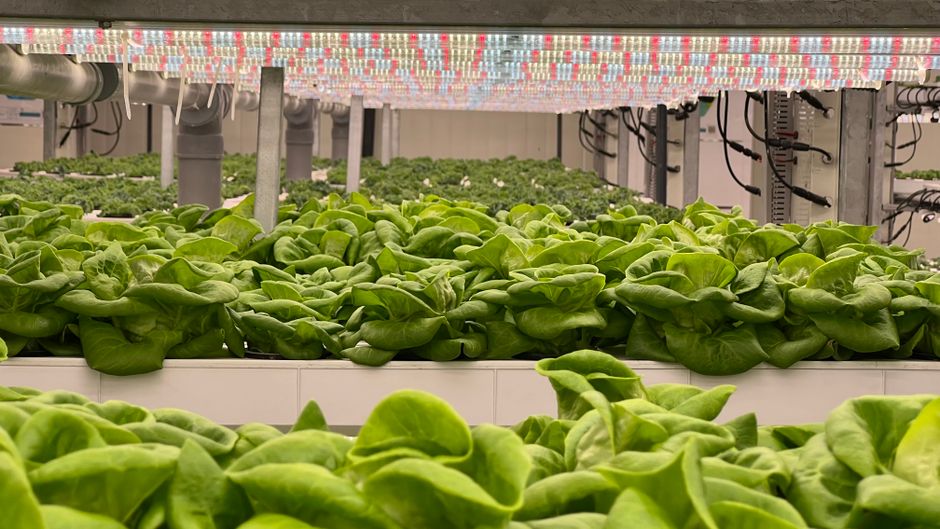
LED Grow Light Distance: Perfect Placement for Healthy Plants
Getting the LED Grow Light Distance Just Right
Finding the perfect LED grow light distance is one of the most important things you can do for your indoor plants. It directly impacts how much light your plants receive, preventing issues like stretching or burning. Getting this distance right ensures your plants grow strong and healthy, whether they are tiny seedlings or mature fruiting plants.
Too close, and your plants can suffer from light burn. Too far, and they might become leggy and weak. Let's explore how to position your LED grow lights for the best results in your home garden.
Why Does Grow Light Distance Matter So Much?
Grow light distance matters because light intensity changes significantly with how far the light is from your plants. Plants need a specific amount of light energy to perform photosynthesis, and getting this amount wrong can cause serious problems.
When grow lights are too close, the intensity can be overwhelming, leading to stress and damage. The plant's leaves might bleach, scorch, or even stop growing. Conversely, if your grow lights are too far away, your plants won't get enough light. This lack of light can cause them to stretch excessively, developing long, weak stems in search of more light, or simply grow slowly and produce less.
How Do I Find the Right Grow Light Distance for My Plants?
You can find the right grow light distance for your plants by checking your light's manufacturer recommendations and observing your plants' responses. Different plants and different growth stages have varying light requirements.
Always start by looking at the instructions that came with your LED grow light. Manufacturers often provide a recommended hanging height for different plant types or growth stages. This is a great starting point. After that, pay close attention to how your plants are reacting over the next few days. Their appearance will tell you if the distance is correct.
Grow Light Distance for Seedlings & Young Plants
For seedlings and young plants, the LED grow light distance generally needs to be closer than for mature plants, but not so close that it causes stress. You want to provide enough light to encourage stocky, strong growth without burning their delicate leaves.
A common mistake is having lights too far away, which causes seedlings to stretch and become leggy. If you see your seedlings getting leggy under grow lights, it is a clear sign they need more intense light. Try lowering your light slightly, usually by an inch or two at a time, until you see them growing more compactly. Always keep a close eye on them after making adjustments.
Grow Light Distance for Leafy Greens & Herbs
Leafy greens and herbs, like lettuce, spinach, basil, and mint, generally thrive under moderate light intensity. For these plants, the optimal LED grow light distance is usually a bit further away than for seedlings, but closer than for fruiting plants.
The goal is to provide consistent, even light coverage across the entire plant canopy. This helps ensure all leaves develop fully and maintain good color without any signs of stress. If leaves start to look pale or develop yellow patches, your light might be too close. If they look dull or are stretching, your light might be too far.
Grow Light Distance for Flowering & Fruiting Plants
Flowering and fruiting plants, such as tomatoes, peppers, or strawberries, typically require higher light intensity than leafy greens to produce flowers and fruit successfully. This means the LED grow light distance for these plants will often be closer.
During the flowering and fruiting stages, plants need a significant energy boost. Providing intense light helps them develop strong blooms and ripen their fruits. However, always be careful not to place the lights so close that they cause heat stress or light burn, especially as plants grow taller.
What Are the Signs Your Grow Lights Are Too Close or Too Far?
The signs your grow lights are too close or too far are usually visible in the plant's leaves and overall growth habit. Your plants will tell you if they are happy with their light.
Signs Your Grow Lights Are Too Close (Light Burn)
If your LED grow lights are too close, your plants might show these symptoms:
- Bleaching or Yellowing: Leaves, especially those closest to the light, may turn pale yellow or white.
- Scorching or Browning: Leaf edges or tips might appear crispy, brown, or burnt.
- Upward Leaf Curling: Leaves may curl upwards as if trying to pull away from the light.
- Stunted Growth: The plant's overall growth might slow down significantly or stop.
These are all indicators of light stress. If you see these signs, raise your grow light by a few inches and monitor your plants for improvement.
Signs Your Grow Lights Are Too Far (Lack of Light)
When your LED grow lights are too far away, your plants may exhibit these problems:
- Legginess: Stems become long and stretched, with widely spaced leaves.
- Pale Green Leaves: The color of the leaves may be lighter than normal, indicating insufficient chlorophyll production.
- Slow Growth: Plants grow very slowly or appear generally weak.
- Poor Flowering/Fruiting: If applicable, plants may not produce many flowers or fruits, or they may be small and underdeveloped.
If your plants are showing these signs, they are telling you they need more light. Consider lowering your grow light. You can also explore ways to boost indoor plant growth in low light conditions.
Practical Tips for Adjusting Your Grow Light Placement
Adjusting your grow light placement is an ongoing process that requires observation and patience. Always make small changes and give your plants time to react.
Start with the manufacturer's suggested distance and observe your plants daily. If you need to make an adjustment, move the light only a few inches at a time, then wait 24-48 hours to see how your plants respond. You can use adjustable hangers or chains to easily change your light's height. As your plants grow taller, remember to raise the light to maintain an appropriate distance from the canopy.
Also, remember to keep electrical cords and timers away from water spills to ensure safety in your indoor growing setup. A consistent environment helps your plants thrive.
Final Thoughts
Mastering the LED grow light distance for your indoor garden is a skill that comes with practice and observation. By paying attention to your plants and making small, timely adjustments, you can create an optimal environment for robust growth. Keep experimenting and learning, and your indoor garden will flourish with the right light.
Explore more MicroVeg guides for additional tips on successful indoor gardening!
Frequently Asked Questions
Can I use the same grow light distance for all plants?
No, different plants and different growth stages (seedling, vegetative, flowering) require different grow light distances to get the optimal light intensity.
How often should I check my grow light distance?
You should check your grow light distance regularly, especially as your plants grow taller, and make adjustments as needed, usually every few days or weekly.
What is 'light burn' and how does it look?
Light burn occurs when plants receive too much light, causing leaves to bleach, yellow, crisp, or curl upwards, especially near the light source.
Should I move my grow light as plants grow?
Yes, it is crucial to move your grow light up as your plants grow taller to maintain the correct distance from the plant canopy and prevent light burn.
Explore More Grow Lights Guides
 Grow Lights
LED Grow Light Specs: What Home Growers Need to Know
Understanding LED grow light specs helps you pick the right light for healthy plants and a thriving indoor garden.
 Grow Lights
Set Your LED Grow Light Schedule for Happy Plants
Discover how to set the perfect LED grow light schedule for your indoor plants, ensuring they get just the right amount of light to thrive.
 Grow Lights
Plants Struggling Under Grow Lights? Fix It Fast!
If your indoor plants are struggling under grow lights, learn how to identify common problems and get them thriving again with our expert guide.