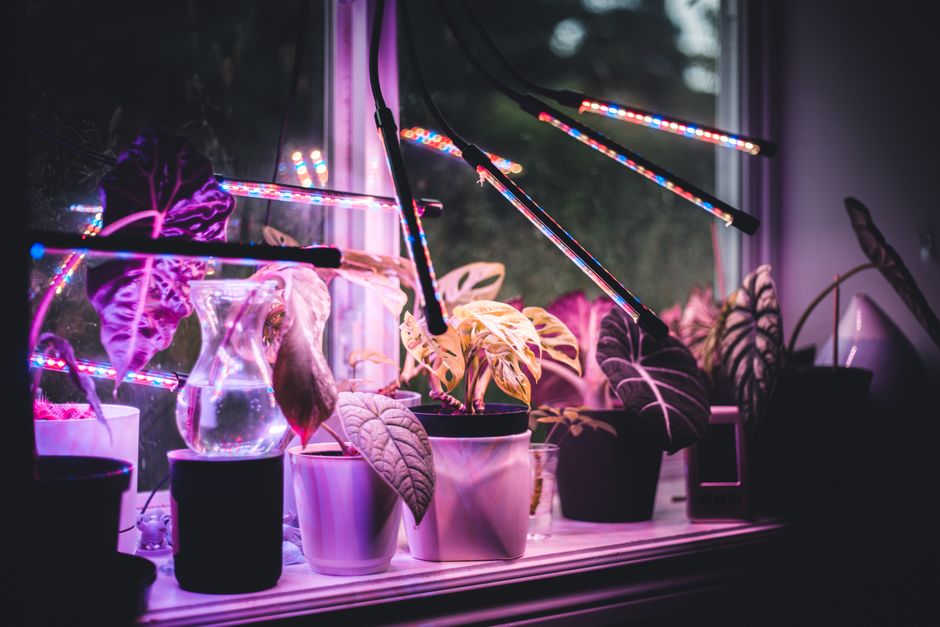
Plants Struggling Under Grow Lights? Fix It Fast!
Indoor gardening is a rewarding hobby, but sometimes our green friends don't cooperate. If you've noticed your plants struggling under grow lights, it can be frustrating. Many home growers face this issue, wondering if their light setup is the problem.
Understanding why your plants are struggling under grow lights is the first step to fixing it. Often, common issues like incorrect light distance, duration, or even environmental factors are the culprits. This guide will help you diagnose the problem and get your indoor garden back on track.
How Can You Tell If Your Plants Have Too Much Light?
Too much light, also known as light burn, causes several visible symptoms that indicate your plants are stressed. This can happen when grow lights are too close or too intense for your specific plant varieties.
Look for leaves that are bleached, yellowing, or turning white in areas closest to the light source. The leaf edges might become crispy and brown, and plants can appear stunted or stop growing altogether. Sometimes, the leaves might even curl upwards as if trying to get away from the light.
How to Adjust for Too Much Light
If you suspect your plants are getting too much light, the solution is usually straightforward. The most common fix is to increase the distance between your grow light and the plant canopy.
- Raise the Light: Slowly raise your grow light by a few inches and observe your plants over the next day or two. Continue adjusting until symptoms subside and new growth appears healthy.
- Dim the Light: If your LED grow light has a dimmer function, try reducing its intensity. This is a great way to fine-tune light levels without changing the physical distance.
- Check Manufacturer Guidelines: Always refer to your grow light's instruction manual for recommended hanging heights and intensity settings for different plant types and growth stages.
Always keep electrical timers and grow lights away from water spills to ensure safety in your indoor garden. A little caution goes a long way in preventing accidents.
How Can You Tell If Your Plants Are Not Getting Enough Light?
Not enough light can be just as detrimental to plant health as too much light, leading to weak, spindly growth. Plants need sufficient light energy to perform photosynthesis and develop properly.
The most common sign of insufficient light is 'legginess,' especially in seedlings. This means the stems stretch out, becoming long and thin with small, sparse leaves, as the plant desperately tries to reach a light source. Leaves might also appear pale green or yellow, growth will be slow, and flowering or fruiting plants may fail to produce.
If your seedlings are looking stretched and weak, you might need to take action. Learn how to stop this problem with our guide on Fix Leggy Seedlings.
How to Adjust for Not Enough Light
When your plants are showing signs of too little light, you need to either bring the light closer or increase its duration. Finding the right balance will encourage stronger, healthier growth.
- Lower the Light: Carefully lower your grow light closer to the plant canopy. Start by moving it down a few inches at a time, keeping a close eye on your plants for any signs of stress from too much light.
- Extend Light Duration: If lowering the light isn't enough, consider extending the number of hours your grow light is on each day. Most plants thrive on 12-16 hours of light, but check specific plant requirements.
- Add More Lights: For larger areas or dense plant arrangements, you might need to add another grow light to ensure even coverage across all plants.
Understanding how to properly position and adjust your lights is key to successful indoor growing. Our guide on Adjust LED Grow Lights offers more in-depth advice on maximizing plant growth.
Is Your Grow Light Schedule Causing Problems?
Incorrect grow light schedules can prevent plants from getting the right amount of rest and light, which is crucial for their biological processes. Just like people, plants need a day-night cycle to thrive.
Running your lights for too long can stress plants, leading to stunted growth, reduced flowering, or even light burn. Conversely, too short a light cycle won't provide enough energy for photosynthesis, resulting in leggy growth and pale leaves, similar to not enough light intensity. Consistency is also vital; irregular schedules can disrupt a plant's natural rhythm.
Here are some general grow light schedules for common indoor plants:
- Seedlings and Vegetative Growth: 16-18 hours of light, followed by 6-8 hours of darkness. This promotes vigorous leafy growth.
- Flowering and Fruiting Plants: 12 hours of light, followed by 12 hours of darkness. This triggers and supports the blooming and fruiting stages for many plants.
- Microgreens: Typically 12-16 hours of light once germination is complete.
For a detailed breakdown of optimal light cycles for various plants, check out our guide on How Long to Run Grow Lights for Indoor Plants?
What Else Might Cause Plants to Struggle Under Grow Lights?
Beyond light issues, problems with nutrients, water, temperature, or pests can also make plants struggle, even when your grow light setup seems perfect. It is important to rule out these other factors.
Yellowing leaves, wilting, or stunted growth are not always light-related. They can be signs of nutrient deficiencies or excesses, improper watering (either too much or too little), unsuitable temperatures, or even hidden pests. Always check your nutrient solution's pH and EC/PPM, ensure good airflow, and inspect plants regularly for insects.
If you're noticing yellow leaves, it might be more than just a light issue. Our guide on Why Are Your Indoor Plant Leaves Yellowing? can help you diagnose and resolve that common problem.
Quick Checklist for Other Issues
- Nutrient Balance: Are you using the correct nutrients for your plant's growth stage? Is your pH in the ideal range?
- Watering: Are your plants overwatered or underwatered? Check the moisture level in your growing medium.
- Temperature and Humidity: Is the temperature too hot or too cold? Is the humidity too low or too high for your plants?
- Pests: Inspect the undersides of leaves and stems for any signs of insects or mites.
Final Thoughts
Diagnosing why your plants are struggling under grow lights can feel like detective work, but by systematically checking light distance, duration, and other environmental factors, you can usually pinpoint the problem. Remember that a happy plant is one that receives the right balance of light, water, nutrients, and warmth. Keep observing your plants, and don't be afraid to make small adjustments until they thrive. Explore more MicroVeg guides for tips to keep your indoor garden flourishing.
Frequently Asked Questions
How do I know if my grow light is too strong?
Signs of a grow light being too strong include bleached or yellowing leaves near the light, crispy edges, and stunted growth. Your plants might also try to curl their leaves away from the light.
What does insufficient grow light look like?
Insufficient grow light often causes plants to become leggy, with long, thin stems and small, pale leaves. Overall growth will be slow, and plants may not flower or fruit as expected.
Can I leave my grow lights on 24 hours a day?
Most plants require a period of darkness to complete their growth cycle and rest. Leaving grow lights on 24 hours a day can stress plants, leading to stunted growth and other issues.
How often should I check my plants under grow lights?
You should check your plants daily for any signs of stress, such as changes in leaf color, wilting, or unusual growth patterns. This helps catch and correct problems quickly.
Explore More Grow Lights Guides
 Grow Lights
Set Your LED Grow Light Schedule for Happy Plants
Discover how to set the perfect LED grow light schedule for your indoor plants, ensuring they get just the right amount of light to thrive.
 Grow Lights
Adjust LED Grow Lights: Maximize Plant Growth
Discover how to fine-tune your LED grow lights to match your plants' changing needs, ensuring vibrant growth and bountiful indoor harvests.
 Grow Lights
Grow Light Spectrum Explained: What Your Plants Really Need
Understanding the grow light spectrum is key to healthy indoor plants, influencing everything from seedling vigor to bountiful harvests.