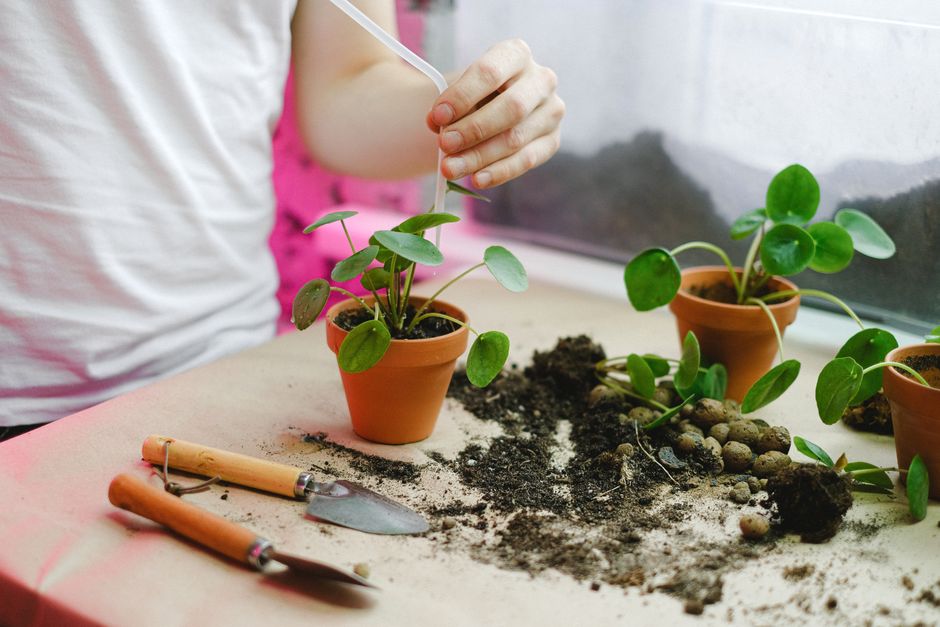
Set Your LED Grow Light Schedule for Happy Plants
Getting your indoor garden to flourish often comes down to one key factor: light. Specifically, knowing how to set an effective LED grow light schedule can make all the difference for your plants. An LED grow light schedule is the specific duration of light and darkness your plants receive each day, mimicking natural day-night cycles essential for plant growth and development. It helps your plants perform photosynthesis, rest, and carry out other vital processes. Setting this up correctly is crucial for healthy growth, from tiny seedlings to mature, producing plants.
What is the best LED grow light schedule for indoor plants?
The best LED grow light schedule for indoor plants generally involves 12 to 18 hours of light per day, followed by a period of darkness. This duration varies based on the plant's growth stage and type. Most leafy greens, herbs, and seedlings benefit from longer light periods, while flowering and fruiting plants often need specific light-dark cycles to trigger different stages of their life.
For most common indoor plants, especially those grown for their leaves or vegetative growth, a cycle of 14-16 hours of light and 8-10 hours of darkness works well. This provides ample time for photosynthesis without overstressing the plant. Seedlings, which are rapidly developing, often appreciate 16-18 hours of light. Always consider the specific needs of the plants you are growing, as different species have evolved under varying natural light conditions.
Remember, while light is crucial, darkness is equally important. Plants use the dark period to process the energy gathered during the day, transport nutrients, and prepare for the next light cycle. Skipping the dark period can lead to stressed, unhealthy plants, and stunted growth.
How does a plant's light cycle work?
A plant's light cycle, also known as photoperiod, directly influences its growth stages and overall health. Plants have internal clocks, called circadian rhythms, that respond to the presence or absence of light, much like humans do. This rhythm dictates everything from germination to flowering.
During the light period, plants use light energy to convert carbon dioxide and water into sugars, their food source, through photosynthesis. This process is essential for building new leaves, stems, and roots. The specific grow light spectrum explained can also play a role here, as plants absorb different light colors for different functions.
During the dark period, plants shift from energy production to energy utilization. They break down the sugars created during the day, moving nutrients to areas of growth, repairing cells, and preparing for the next day's photosynthesis. This rest period is vital for recovery and preventing plant stress.
Understanding these cycles helps you provide the optimal environment for your plants. It's not just about turning a light on, but about mimicking nature's rhythm to encourage vigorous, healthy growth.
Does the plant type affect the grow light schedule?
Yes, the type of plant you are growing significantly affects the ideal grow light schedule. Different plants have evolved in various climates and respond differently to light durations. Knowing your plant's needs is key to a successful indoor garden.
Long-Day, Short-Day, and Day-Neutral Plants
Plants are generally categorized into three types based on their photoperiodic response:
- Long-Day Plants: These plants flower when the day length exceeds a certain critical period, typically 12-14 hours. Many common vegetables like lettuce, spinach, and radishes, as well as some flowers, fall into this category. They generally thrive with 14-18 hours of light during their vegetative growth and flowering stages.
- Short-Day Plants: These plants flower when the day length is shorter than a critical period, often 10-12 hours. While less common for continuous indoor harvesting, some plants like chrysanthemums or poinsettias are short-day plants. To encourage flowering, you would reduce their light cycle. For general vegetative growth, they might still tolerate longer light periods.
- Day-Neutral Plants: These plants flower regardless of the day length, meaning their flowering is not triggered by photoperiod but by other factors like age or maturity. Tomatoes, cucumbers, and peppers are common day-neutral plants. For these, a consistent 12-16 hour light cycle usually promotes good growth and fruiting.
Always research the specific needs of the plants you are growing. For instance, leafy greens like basil or lettuce are often grown for their leaves and do well with longer light periods, around 14-16 hours. Fruiting plants, like indoor tomatoes, might benefit from slightly shorter periods, like 12-14 hours, once they begin to fruit. Adjusting your adjust LED grow lights settings, including duration and intensity, will help maximize plant growth for each type.
How do I set up a grow light timer?
Setting up a grow light timer is straightforward and essential for maintaining a consistent LED grow light schedule. Consistency is key for your plants' health and growth.
First, choose the right timer. Digital timers offer more precise control and multiple on/off settings, while mechanical timers are simpler to use, with pins or tabs to set the light cycle. Both work well for indoor gardening.
Here are the basic steps:
- Determine your desired light cycle: Based on your plant type and growth stage, decide how many hours of light and darkness your plants need. For example, 16 hours on, 8 hours off.
- Plug in the timer: Connect the timer to a wall outlet. Ensure the outlet is easily accessible and dry. For safety, keep all electrical timers and cords away from potential water spills in your hydroponic or gardening setup.
- Set the current time: Follow the timer's instructions to set the current time of day.
- Program the on/off times: Program your desired light schedule. If you want 16 hours of light, you might set it to turn on at 6 AM and off at 10 PM.
- Connect your grow light: Plug your LED grow light into the timer's outlet.
- Test the schedule: Observe your lights for a day or two to ensure they are turning on and off precisely at the programmed times.
Using a timer automates your lighting, freeing you from manually switching lights on and off every day. This consistency reduces stress on your plants and helps you maintain a predictable growing environment.
What are common grow light schedule mistakes?
Even experienced growers can make mistakes with their grow light schedules. Avoiding these common pitfalls will help keep your plants healthy and productive.
Here are some frequent errors:
- Leaving lights on 24/7: While it might seem like more light equals more growth, plants absolutely need a period of darkness to rest and carry out essential metabolic processes. Constant light can lead to stunted growth, discoloration, and overall plant stress.
- Inconsistent schedules: Randomly turning lights on and off or changing the schedule frequently can disrupt a plant's circadian rhythm, leading to stress and poor growth. A consistent cycle is vital.
- Incorrect light duration for plant type: Providing a short-day plant with a long-day schedule, or vice-versa, can prevent flowering or fruiting, or even cause plants to bolt prematurely. Always check your plant's specific needs.
- Ignoring plant signals: Your plants will tell you if they're unhappy with the light. Plants struggling under grow lights might show signs like yellowing leaves, scorched spots, or stunted growth. These issues can indicate too much or too little light, or incorrect light intensity, not just duration.
- Not using a timer: Manually turning lights on and off every day makes it difficult to maintain a precise and consistent schedule, which is crucial for optimal plant health.
By being mindful of these mistakes, you can provide a stable and beneficial lighting environment for your indoor garden.
Final Thoughts
Setting the right LED grow light schedule is a foundational step for successful indoor gardening. By understanding your plants' needs for both light and darkness, and by using a reliable timer, you can create an optimal environment for thriving growth. Experiment with what works best for your specific plants and enjoy the fresh harvests from your indoor garden. For more tips on nurturing your plants, explore other MicroVeg guides.
Frequently Asked Questions
Can I leave grow lights on 24 hours a day?
No, plants need a period of darkness to rest and perform essential metabolic processes. Leaving lights on 24/7 can stress plants and hinder their growth.
What happens if plants get too much light?
Too much light can cause light burn, characterized by yellow or brown spots on leaves, stunted growth, and bleached or faded foliage. This indicates the light is too intense or on for too long.
Do plants need darkness?
Yes, darkness is crucial for plants to process the energy gathered during the day, transport nutrients, and repair cells. It's a vital part of their natural growth cycle.
How do I know if my plants are getting enough light?
Healthy plants with adequate light will show vigorous growth, vibrant green leaves, and compact structure. Signs of insufficient light include leggy growth, pale leaves, and poor flowering or fruiting.
Explore More Grow Lights Guides
 Grow Lights
Plants Struggling Under Grow Lights? Fix It Fast!
If your indoor plants are struggling under grow lights, learn how to identify common problems and get them thriving again with our expert guide.
 Grow Lights
Adjust LED Grow Lights: Maximize Plant Growth
Discover how to fine-tune your LED grow lights to match your plants' changing needs, ensuring vibrant growth and bountiful indoor harvests.
 Grow Lights
Grow Light Spectrum Explained: What Your Plants Really Need
Understanding the grow light spectrum is key to healthy indoor plants, influencing everything from seedling vigor to bountiful harvests.