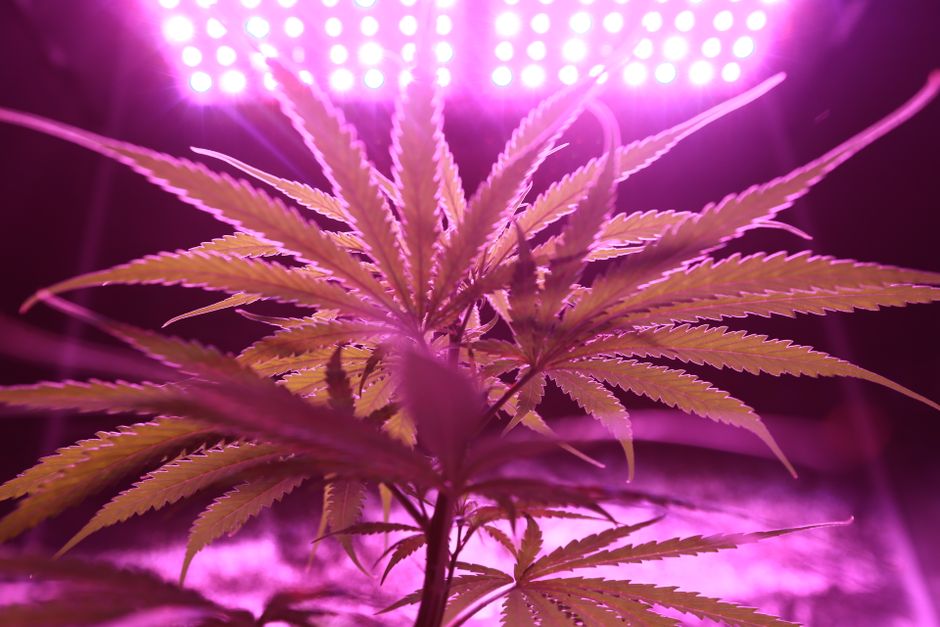
LED Grow Light Specs: What Home Growers Need to Know
Choosing the right LED grow light can feel like navigating a maze of technical terms. You see numbers and acronyms like PPFD, wattage, and spectrum, and it is easy to get overwhelmed. Understanding LED grow light specs is simply knowing what those technical terms mean for your plants and your indoor garden. This guide will help you decode the jargon so you can confidently select the perfect light to help your plants thrive, ensuring they get exactly what they need without wasted energy or money.
What Are LED Grow Light Specs and Why Do They Matter?
LED grow light specifications, or 'specs', are the technical details and measurements that describe a light's performance and capabilities. They matter because these numbers directly impact your plants' growth, health, and your energy bill. Knowing what to look for helps you choose a light that meets your specific gardening needs, whether you are starting seedlings, growing leafy greens, or encouraging flowering.
Think of it like buying a car. You would not just pick one based on color. You look at fuel efficiency, horsepower, and safety features. Similarly, for grow lights, you need to look beyond just the price tag. The right specs ensure your plants get adequate light for photosynthesis, leading to stronger growth and bigger harvests.
Ignoring these details can lead to common problems like leggy seedlings, stunted growth, or even plant burn. By understanding the key specs, you can make an informed decision that saves you frustration and helps your indoor garden flourish.
What is PPFD and Why is it Important for My Plants?
PPFD stands for Photosynthetic Photon Flux Density, and it measures the amount of photosynthetically active radiation (PAR) that actually reaches your plants' surface each second. It is important because it directly tells you how much usable light your plants are getting to perform photosynthesis, which is how they convert light energy into growth.
Unlike simple wattage, which tells you how much power a light consumes, PPFD indicates the intensity of light delivered to your plants. A higher PPFD generally means more light energy for photosynthesis, leading to faster growth and more robust plants. However, too much PPFD can also stress or burn your plants, especially if they are not acclimated or if other environmental factors are not optimal.
Different plants and different growth stages have varying PPFD requirements. Seedlings and leafy greens generally need lower PPFD levels, while flowering plants often require much higher intensity. Always aim for a light that can provide the appropriate PPFD for your specific plants and their current life stage.
Understanding PPFD Charts and Coverage
Manufacturers typically provide PPFD charts or maps for their grow lights. These charts are crucial for understanding a light's coverage area and ensuring uniform light distribution to all your plants. They show the light intensity at various distances and across different areas.
When reviewing a PPFD chart, look for the recommended hanging height and the corresponding PPFD values at that height. Pay attention to how the PPFD changes as you move away from the center of the light. A good light will have relatively even PPFD across its intended coverage area, minimizing hot spots or dim corners.
Always consult the manufacturer's specific recommendations for hanging height and PPFD values for your particular light model. This information is your best guide for proper grow light positioning and preventing issues like light burn or stretched growth.
What Do "Wattage" and "Power Draw" Mean for Grow Lights?
Wattage traditionally refers to the power consumed by a light, but for LED grow lights, it is more useful to focus on the actual power draw from the wall outlet, rather than advertised 'equivalent' wattages. The power draw indicates how much electricity the light is using, which impacts your energy bill and helps determine the light's overall output.
Older grow light technologies, like HPS or MH, often correlated high wattage directly with high light output. With LEDs, however, efficiency is key. A modern LED grow light can produce significantly more usable light per watt consumed compared to older technologies. This means a lower power draw LED can sometimes outperform a higher wattage traditional light.
Always check the 'actual power draw' or 'true wattage' listed by the manufacturer. This number is a more accurate representation of the light's energy consumption and its potential light output. While it does not directly tell you the PPFD your plants receive, it is a good indicator of the light's overall power and efficiency.
How Does Light Spectrum Affect Plant Growth?
Light spectrum refers to the range of colors, or wavelengths, of light emitted by a grow light. Different wavelengths of light play distinct roles in plant development, influencing everything from germination to flowering. While many grow lights are labeled "full spectrum," understanding the specific balance of colors can optimize your plant's growth.
For example, blue light is often associated with strong vegetative growth and compact plants, while red light is crucial for flowering, fruiting, and overall biomass production. Green light, though often thought to be reflected, still plays a role in penetrating deeper into the plant canopy.
A well-balanced spectrum, often including a mix of blue, green, and red wavelengths, is generally ideal for indoor growing. Some lights also include far-red or UV light to enhance specific plant responses. For a much deeper exploration of how different colors of light impact your plants, be sure to check out our detailed guide: Grow Light Spectrum Explained: What Your Plants Really Need.
What Other Features Should I Look for in a Grow Light?
Beyond PPFD, wattage, and spectrum, several other features contribute to a grow light's effectiveness and ease of use. Considering these can help you choose a light that integrates well with your specific indoor gardening setup and goals.
- Dimming Capabilities: Many quality LED grow lights come with dimmable drivers, allowing you to adjust the light intensity. This feature is incredibly useful for tailoring light levels to different plant stages or species, preventing issues like light burn on young seedlings, or providing less intense light during less critical growth phases. Adjusting intensity can also help you manage your LED grow light schedule more effectively.
- Heat Management: LEDs generate heat, though far less than traditional grow lights. Good heat sinks or active cooling (fans) are essential to dissipate this heat, which helps maintain the lifespan of the LEDs and prevents heat stress on your plants. Ensure the light has efficient cooling to prevent performance degradation over time.
- Coverage Area: Always match the light's advertised coverage area to the size of your grow space. Some lights are designed for small tents, while others cover larger areas. Ensure the light provides even intensity across the entire footprint you intend to grow in.
- Durability and Build Quality: Look for lights with solid construction, quality components, and good ratings for moisture resistance, especially if you are growing in a humid hydroponic environment. Keep electrical timers and grow lights positioned away from water spills to ensure safety and longevity.
- Certifications: Check for safety certifications like UL, ETL, or CE, which indicate the product meets certain safety and performance standards.
Final Thoughts
Understanding LED grow light specs does not have to be intimidating. By focusing on key metrics like PPFD, actual power draw, and spectrum, along with practical features like dimming and heat management, you can confidently choose a light that perfectly suits your indoor garden. The right LED grow light specs will set your plants up for success. Keep exploring our MicroVeg guides for more tips on growing healthy plants!
Frequently Asked Questions
What is the most important spec for LED grow lights?
PPFD (Photosynthetic Photon Flux Density) is often considered the most important spec, as it directly measures the amount of usable light reaching your plants for photosynthesis.
Do I need a full spectrum LED grow light?
Most indoor plants thrive under a full spectrum LED grow light, as it provides a balanced range of colors mimicking natural sunlight, suitable for all growth stages.
Is higher wattage always better for a grow light?
No, higher wattage does not always mean better. With LED grow lights, efficiency matters more than raw wattage; focus on actual power draw and PPFD output instead.
How can I tell if a grow light is good quality?
Look for lights with good heat management, solid build quality, safety certifications (like UL or ETL), and clear, reliable PPFD charts from the manufacturer.
Explore More Grow Lights Guides
 Grow Lights
Set Your LED Grow Light Schedule for Happy Plants
Discover how to set the perfect LED grow light schedule for your indoor plants, ensuring they get just the right amount of light to thrive.
 Grow Lights
Plants Struggling Under Grow Lights? Fix It Fast!
If your indoor plants are struggling under grow lights, learn how to identify common problems and get them thriving again with our expert guide.
 Grow Lights
Adjust LED Grow Lights: Maximize Plant Growth
Discover how to fine-tune your LED grow lights to match your plants' changing needs, ensuring vibrant growth and bountiful indoor harvests.