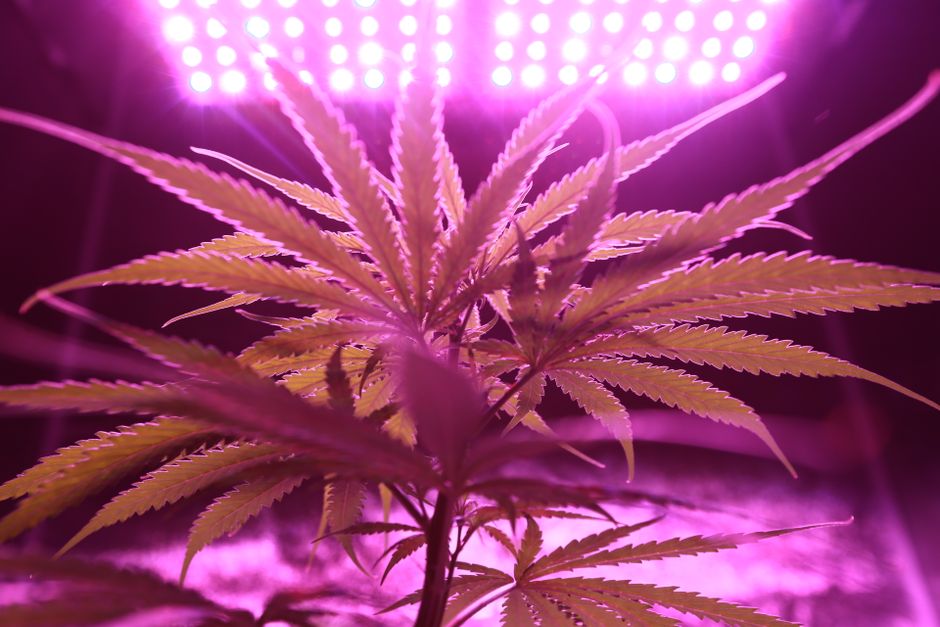
Grow Light Spectrum Explained: What Your Plants Really Need
Growing plants indoors means you become their sun. Just like the sun, your grow lights need to provide the right kind of light for your plants to thrive. That’s where understanding the grow light spectrum comes in. It refers to the range of light wavelengths that a light source emits. Different wavelengths appear as different colors to our eyes. But to plants, these colors signal specific growth responses. Knowing which parts of the spectrum are most important for your plants can make a huge difference in their health and yield.
It's not just about brightness. It's about getting the specific 'recipes' of light that plants use for photosynthesis and other vital processes. Let's break down what your plants really need from their light source.
What is the Grow Light Spectrum and Why Does it Matter?
The grow light spectrum is the specific range of electromagnetic wavelengths, or colors of light, that plants use for photosynthesis and other developmental processes. It matters because plants absorb and use different parts of this spectrum for various growth functions, meaning the right light mix can optimize plant health, growth rate, and overall yield.
Think of it like a plant's diet. They don't just need 'food.' They need specific nutrients at different times. Light is similar. Plants primarily use light in the Photosynthetically Active Radiation (PAR) range, which spans from about 400 to 700 nanometers. This includes the colors blue, green, yellow, orange, and red.
Each color wavelength plays a unique role. For instance, blue light helps with vegetative growth. Red light encourages flowering and fruiting. A balanced spectrum ensures your plants get everything they need through their life cycle.
What is "Full Spectrum" in Grow Lights?
“Full spectrum” in grow lights typically means the light emits a broad range of wavelengths, aiming to mimic natural sunlight as closely as possible, providing both red and blue light and usually a good amount of green and yellow light too. These lights are designed to support plants through all their growth stages, from seedling to harvest.
While no artificial light perfectly replicates the sun, full spectrum lights are a great all-around choice for most home growers. They offer a balanced approach, so you don't have to switch lights as your plants mature. This makes them very convenient for mixed gardens or plants with long growing seasons.
Many modern LED grow lights are marketed as full spectrum. They often appear white to our eyes, unlike older LED lights that sometimes had a distinct pink or purple glow from strong red and blue diodes. This white light is comfortable for human eyes while still being effective for plants.
How Do Different Light Colors Affect Plant Growth?
Different colors within the grow light spectrum trigger specific responses in plants. Blue and red light are the most critical for photosynthesis, but other colors also play supporting roles in plant development.
Blue Light (400-500 nm)
Blue light is essential for vegetative growth, encouraging strong, stocky stems and healthy, dark green foliage. It helps regulate stomatal opening and plays a key role in chlorophyll production.
If your plants are getting too little blue light, they might become leggy and stretched. This is often seen in seedlings reaching desperately for more light. Fixing leggy seedlings often involves adjusting light intensity and ensuring adequate blue light. Blue light also helps improve overall plant structure and compactness. This is especially useful for keeping indoor plants tidy and strong.
Red Light (600-700 nm)
Red light is crucial for flowering and fruiting, encouraging plants to move from vegetative growth into their reproductive stages. It also influences seed germination and stem elongation.
Too much red light without enough blue can sometimes cause excessive stretching, similar to a lack of blue light, but often with less robust stems. A good balance between red and blue light is often best, especially during the flowering and fruiting phases. Many plants need a higher proportion of red light to signal them to produce flowers and fruits.
Green Light (500-600 nm)
While often thought to be less important because plants reflect green light, it’s not entirely useless. Green light penetrates deeper into the plant canopy, reaching lower leaves that might otherwise be shaded. It contributes to overall photosynthesis, especially in dense plant canopies.
Modern research shows green light plays a more significant role than previously believed, contributing to a balanced spectrum. It can help improve the efficiency of the other colors and ensure light reaches all parts of the plant.
Far-Red Light (700-800 nm)
Far-red light is outside the main PAR range but still influences plant development. It can promote stem elongation and flowering, particularly when combined with red light. It also affects plant morphology, such as leaf size and branching.
Some growers use far-red light to speed up the flowering process or to encourage larger leaves. It's often found in more advanced full-spectrum LED fixtures.
Which Grow Light Spectrum is Best for Each Plant Stage?
The best grow light spectrum depends on your plant's specific growth stage. While full spectrum lights are versatile, understanding these needs helps you optimize your setup for better results.
- Seedling & Vegetative Stage: During these early stages, plants benefit greatly from a higher proportion of blue light. This promotes strong root development and compact, leafy growth, preventing stretching. Full spectrum lights with a slightly cooler, bluer tint are excellent here.
- Flowering & Fruiting Stage: As plants prepare to flower and produce fruit, they typically need more red light. This encourages hormone production that initiates blooming and fruiting. Full spectrum lights with a warmer, redder tint are ideal for this phase.
- Microgreens: For microgreens, a balanced full spectrum light works well. They grow quickly and don't typically go through extensive flowering stages. Consistent light with a good mix of blue and red will ensure vigorous, healthy shoots.
If your grow light allows for spectrum adjustment, you can fine-tune it. Many advanced LED grow lights have separate channels for red, blue, and white light, letting you customize the mix. Always refer to your light manufacturer's recommendations for specific settings and plant types.
It's also important to ensure proper ventilation around your grow lights. While LEDs produce less heat than older light types, inadequate airflow can still lead to heat stress for plants and reduce light efficiency.
Common Mistakes with Grow Light Spectrum
Understanding the grow light spectrum is one thing, but avoiding common pitfalls ensures your plants get what they need without issues. Here are a few mistakes home growers often make:
- Using only one color of light: Relying solely on red or blue lights can lead to imbalanced growth. Plants need a diverse spectrum for optimal health, not just a single wavelength.
- Ignoring plant signals: Your plants will tell you if the spectrum isn't right. Yellowing leaves, stunted growth, or excessive stretching are all signs to investigate.
- Not matching spectrum to growth stage: Using a predominantly blue spectrum during flowering might reduce yields, just as too much red light for seedlings can cause stretching.
- Overlooking PAR: While spectrum is about *which* colors, PAR (Photosynthetically Active Radiation) is about the *intensity* of that light. A great spectrum with too low PAR won't be effective. Always consider both. You might find more details on choosing the right intensity in a guide like What to Look For in LED Grow Lights: Your Beginner's Guide.
Remember, consistency and observation are your best tools. Pay attention to how your plants respond and adjust your spectrum as needed.
Final Thoughts
Mastering the grow light spectrum is a significant step towards becoming a successful indoor gardener. By understanding how different light colors influence your plants, you can provide them with the precise light they need at every stage of their life cycle. Don't be afraid to experiment and observe your plants closely. For more tips on setting up your indoor garden, explore our other MicroVeg guides!
Frequently Asked Questions
What is the most important light color for plants?
Red and blue light are generally considered the most important colors for plant growth, as they are primarily absorbed for photosynthesis and trigger specific developmental responses.
Do plants need green light?
While not as critical as red or blue, green light does contribute to photosynthesis and can penetrate deeper into the plant canopy, reaching lower leaves that might otherwise be shaded.
What is PAR in grow lights?
PAR stands for Photosynthetically Active Radiation, which measures the amount of light within the 400-700 nanometer spectrum that plants use for photosynthesis, indicating light intensity and quality.
Can I use regular white LED lights as grow lights?
Some white LED lights can work for certain plants, especially those labeled 'daylight' or 'full spectrum,' but dedicated grow lights are optimized to provide the specific wavelengths and intensity plants need.
Explore More Grow Lights Guides
 Grow Lights
Set Your LED Grow Light Schedule for Happy Plants
Discover how to set the perfect LED grow light schedule for your indoor plants, ensuring they get just the right amount of light to thrive.
 Grow Lights
Plants Struggling Under Grow Lights? Fix It Fast!
If your indoor plants are struggling under grow lights, learn how to identify common problems and get them thriving again with our expert guide.
 Grow Lights
Adjust LED Grow Lights: Maximize Plant Growth
Discover how to fine-tune your LED grow lights to match your plants' changing needs, ensuring vibrant growth and bountiful indoor harvests.