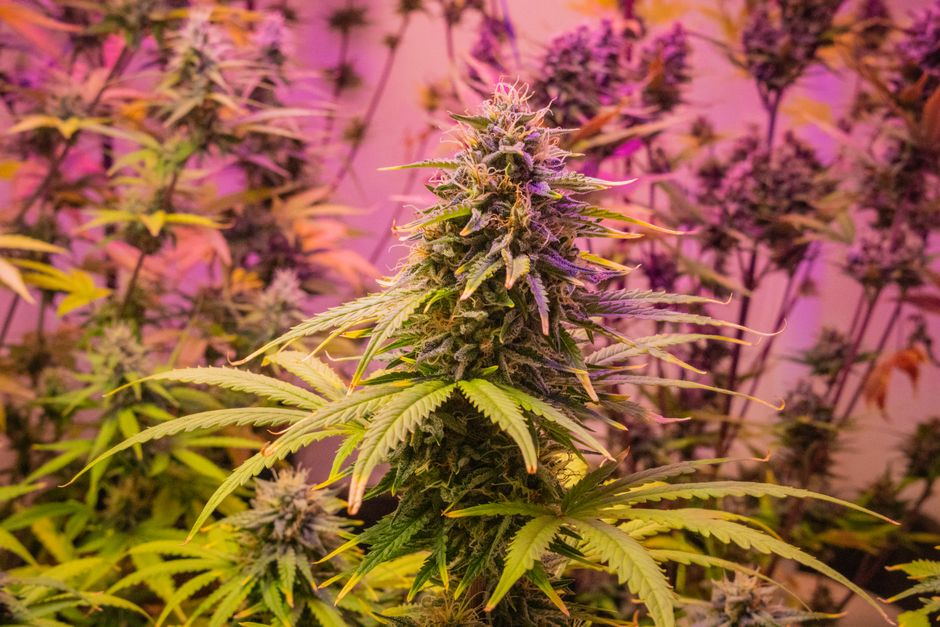
Adjust LED Grow Lights: Maximize Plant Growth
You've invested in LED grow lights for your indoor garden, and that's a fantastic step towards growing fresh food year-round. But simply hanging a light and turning it on isn't the whole story. To truly maximize your plant growth and get the best results, you need to know how to adjust LED grow lights as your plants mature. This guide will walk you through the process, helping you provide the perfect light for every stage of your plant's life.
Adjusting your LED grow lights means making changes to their distance, intensity, or daily duration to perfectly match what your plants need at any given moment. Just like people, plants have different needs as they grow, and providing the right light is key to their health and productivity indoors.
Why Do You Need to Adjust LED Grow Lights?
Plants' light needs change throughout their life cycle, requiring adjustments to LED grow lights to ensure optimal growth and prevent issues like stretching or burning. What's perfect for a tiny seedling will be far too weak for a flowering tomato plant, and vice versa.
If your lights aren't adjusted correctly, you might see problems like leggy seedlings stretching for light, or mature plants with scorched leaves from too much intensity. Proper adjustment ensures your plants get exactly what they need, leading to stronger stems, bushier foliage, and bigger yields.
How Do Plant Growth Stages Change Light Needs?
Different plant growth stages, such as germination, seedling, vegetative, and flowering/fruiting, each have unique light requirements for intensity and duration. Understanding these stages helps you anticipate when to make changes.
Seedlings and Young Plants
New seedlings and young plants are delicate. They need moderate light intensity to encourage strong root and leaf development without overwhelming them. Too much light can stunt growth or cause leaf burn, while too little light leads to weak, stretchy seedlings.
Keep your LED grow light at a greater distance or at a lower intensity setting during this phase. This gentle introduction to light helps them establish themselves firmly before moving on to more vigorous growth.
Vegetative Growth
Once your plants are past the seedling stage and are actively growing leaves and stems, they enter the vegetative phase. During this time, they need more intense light to support rapid growth and develop a robust structure. You can usually decrease the distance between your light and your plants or increase the intensity.
This stage is crucial for building a strong foundation that will support flowers and fruits later on. Plenty of light ensures dense foliage and sturdy branches.
Flowering and Fruiting
When plants begin to flower and produce fruit, their light demands are at their peak. They need the most intense light possible to fuel the energy-intensive process of producing blooms and developing produce. This is often the time to have your lights closest to the plants, at their highest intensity setting.
Also, the duration of light can be critical here, especially for plants that are sensitive to day length. Follow your specific plant's recommendations for photoperiod during this crucial stage.
What Grow Light Settings Can You Adjust?
You can typically adjust LED grow light distance from the plants, light intensity (if dimmable), and daily light duration (photoperiod). Many modern LED grow lights offer flexibility, making these adjustments straightforward.
-
Light Distance: This is the most common and often easiest adjustment. Moving your light closer or farther away directly changes the intensity of light reaching your plants. Always check your light manufacturer's recommended distance for different plant stages.
-
Light Intensity (Dimming): Many quality LED grow lights come with a dimmer switch. This allows you to increase or decrease the light output without changing the distance. This is particularly useful for fine-tuning light levels for sensitive plants or specific growth stages.
-
Light Duration (Photoperiod): Using a timer, you can control how many hours your plants receive light each day. Most plants thrive on a consistent schedule, and changing this can signal different growth phases, especially for flowering plants. Always use a reliable timer and ensure all electrical connections are secure and away from water spills.
Some advanced lights also allow adjustments to the light spectrum. While grow light spectrum is important, for most home growers, distance, intensity, and duration are the primary levers for successful adjustment.
How to Know When to Adjust Your Grow Lights?
Observing your plants for signs of too much light (scorching, stunted growth) or too little light (legginess, pale leaves) will tell you when it's time to adjust your grow lights. Your plants are constantly communicating their needs.
Here's what to look for:
-
Signs of Too Much Light: If leaves appear bleached, crispy, yellowing, or have brown spots, especially on younger leaves, your light might be too intense or too close. The plant might also seem to stop growing or look 'stressed'.
-
Signs of Too Little Light: Plants stretching excessively towards the light, developing long, weak stems, or having unusually pale green or yellowing leaves can indicate they aren't getting enough light. Leaves might also be smaller than usual or spaced far apart on the stem.
-
Optimal Growth: When your plants are happy, they'll show robust, compact growth with vibrant green leaves (for green varieties). Stems will be sturdy, and new growth will appear regularly. This is your goal.
Make adjustments gradually. Change one variable at a time, like moving the light a few inches or dimming it slightly, then observe your plants for a day or two before making further changes. This allows your plants to adapt and helps you pinpoint the most effective adjustment.
Final Thoughts
Learning how to adjust LED grow lights is a skill that will significantly improve your indoor gardening success. By paying attention to your plants and understanding their changing needs, you can provide the ideal environment for them to thrive, leading to healthier plants and more abundant harvests. Keep experimenting and observing; your plants will tell you what they need!
Want to learn more about optimizing your indoor garden? Explore more MicroVeg guides today.
Frequently Asked Questions
How often should I adjust my LED grow lights?
You should adjust your LED grow lights as your plants progress through their growth stages, typically every week or two, or whenever you observe signs of stress (too much or too little light).
Can I use one LED grow light for all plant stages?
Yes, many full-spectrum LED grow lights are designed for all plant stages, but you will need to adjust their distance, intensity, and duration to match the specific needs of each growth phase.
What happens if my grow light is too close?
If your grow light is too close, plants can suffer from light burn, causing leaves to bleach, scorch, or turn yellow/brown, and overall growth may become stunted.
What happens if my grow light is too far away?
If your grow light is too far away, plants will stretch excessively, developing long, weak stems and pale leaves as they try to reach for more light, leading to <a href="/guide/fix-leggy-seedlings-guide-p0g5">leggy seedlings</a>.
Explore More Grow Lights Guides
 Grow Lights
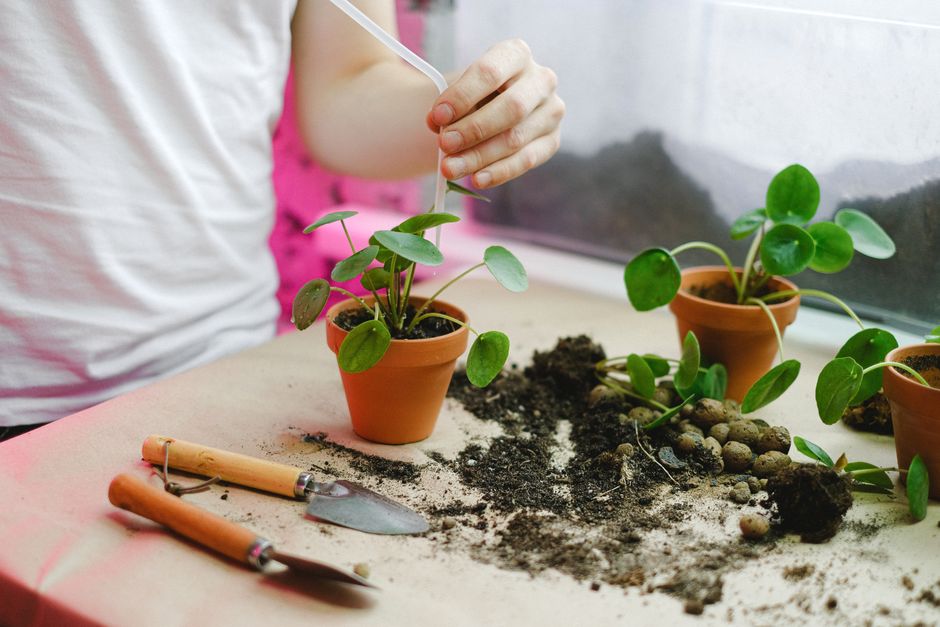
Set Your LED Grow Light Schedule for Happy Plants
Discover how to set the perfect LED grow light schedule for your indoor plants, ensuring they get just the right amount of light to thrive.
 Grow Lights
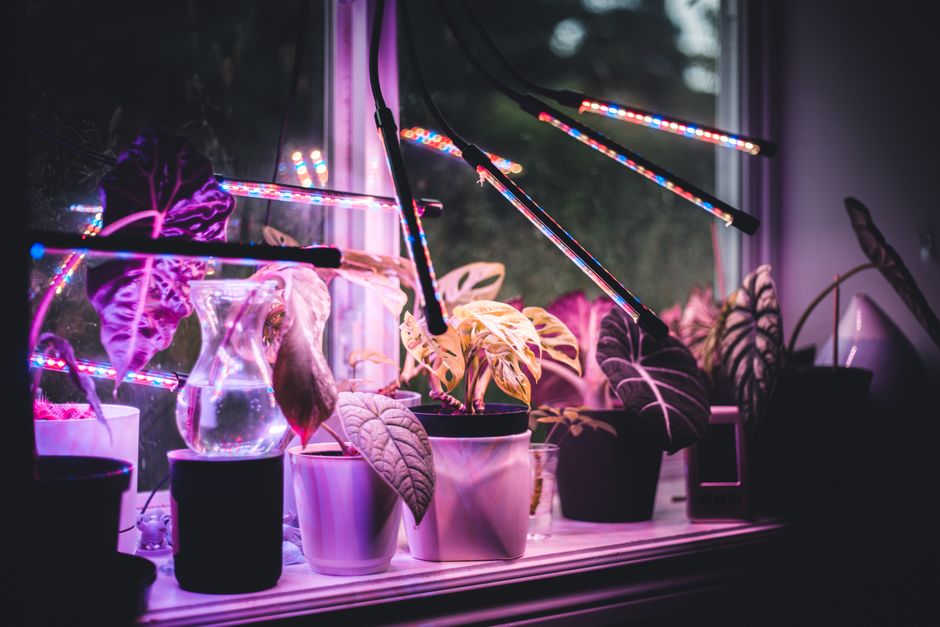
Plants Struggling Under Grow Lights? Fix It Fast!
If your indoor plants are struggling under grow lights, learn how to identify common problems and get them thriving again with our expert guide.
 Grow Lights
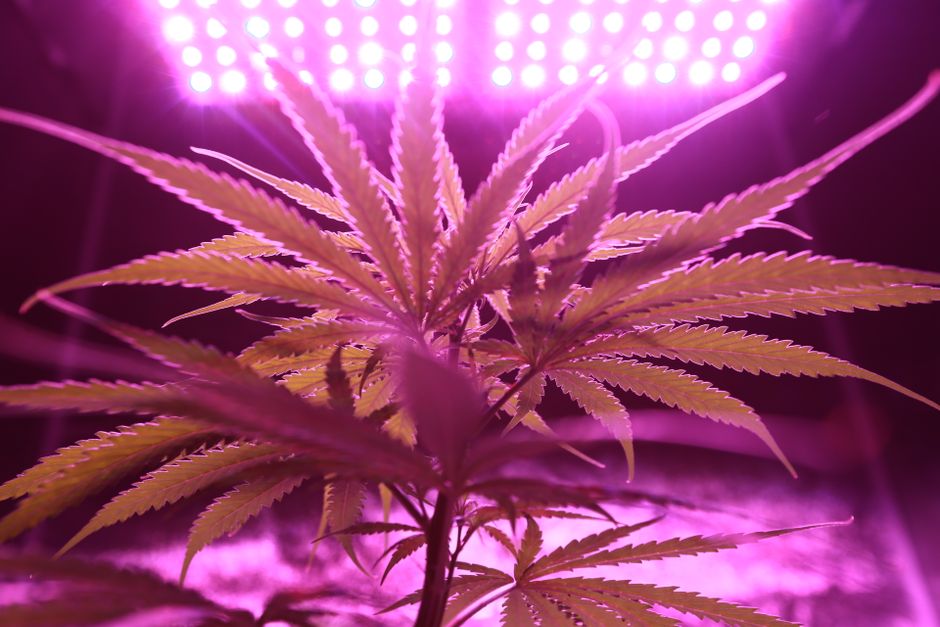
Grow Light Spectrum Explained: What Your Plants Really Need
Understanding the grow light spectrum is key to healthy indoor plants, influencing everything from seedling vigor to bountiful harvests.