Microgreens vs Sprouts: What's the Difference for Home Growers?
Are you looking to grow fresh, nutritious food right in your kitchen? You've probably heard of both microgreens and sprouts, but what's the real difference between them? Microgreens are young vegetable greens harvested just after the first true leaves appear, typically grown in a soilless medium or hydroponically. Sprouts, on the other hand, are germinated seeds consumed whole, including the root, shoot, and seed, usually within days of sprouting. While both offer quick harvests and big health benefits, microgreens vs sprouts have distinct growing methods, appearances, and uses that make them unique. Understanding these differences will help you choose the best option for your indoor gardening setup and culinary needs.
What are Microgreens?
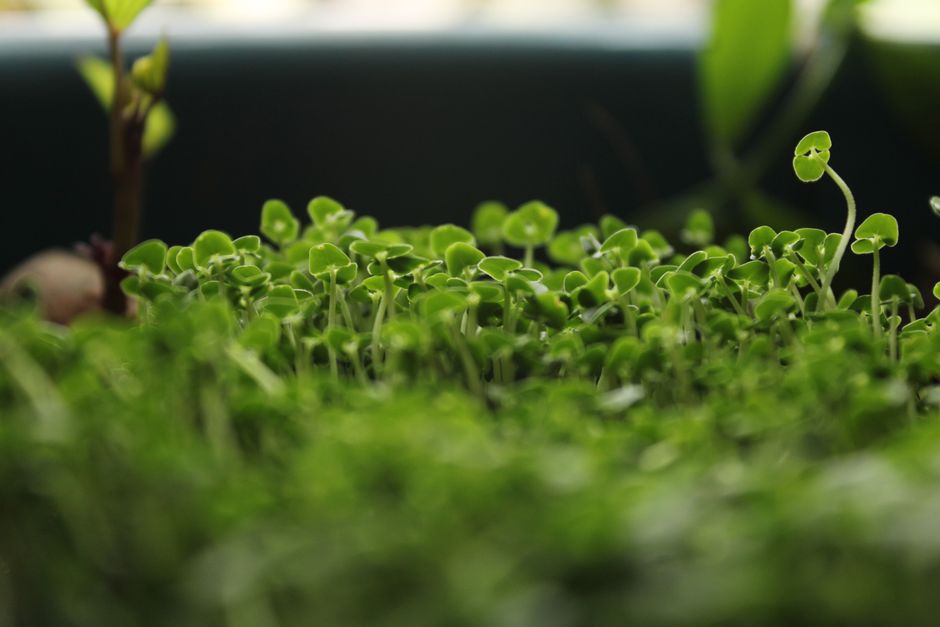
Microgreens are tiny, edible vegetable greens harvested when they are very young, typically after their first true leaves have developed. These miniature plants are much larger than sprouts but smaller than baby greens, offering intense flavors and concentrated nutrients. You can grow a wide variety of microgreens from seeds like radish, broccoli, kale, basil, and cilantro. They are usually grown in a thin layer of growing medium, often a soilless mix like coco coir or rockwool, or even just a hydroponic mat, on trays under grow lights or by a bright window. The growing environment requires good air circulation to prevent mold. The harvest typically happens 1-3 weeks after planting, by cutting the stems just above the growing medium with clean scissors. Many home growers enjoy the vibrant colors and robust flavors microgreens add to their meals.
What are Sprouts?
Sprouts are germinated seeds that are eaten whole, including the root, shoot, and seed itself. Unlike microgreens, sprouts are typically consumed within a few days of germination, often before any true leaves have a chance to form. Common sprout varieties include alfalfa, mung bean, broccoli, lentil, and clover. They are usually grown simply by soaking seeds and then rinsing them regularly in a jar with a mesh lid or a specialized multi-tier sprouting tray, without any growing medium. The process is straightforward: soak seeds, rinse and drain daily, and keep them in a cool, dark place until they are ready. Sprouts are known for their tender texture, satisfying crunch, and mild, fresh flavor, making them a popular addition to a healthy diet.
Key Differences: Microgreens vs Sprouts
While both microgreens and sprouts offer delicious, nutritious additions to your plate, they differ significantly in how they are grown, harvested, and consumed. Understanding these distinctions is crucial for choosing which one fits best with your home growing aspirations.
Growing Process
The way you grow microgreens and sprouts is perhaps their biggest distinguishing factor. Microgreens require a growing medium, such as coco coir, rockwool, or even just a hydroponic mat. They need light, often from a dedicated grow light, to develop their color and flavor. Growing microgreens typically involves sowing seeds densely on a tray, misting them, and then providing light and ventilation as they grow for one to three weeks. You can learn more about growing them without soil in our How to Grow Microgreens Without Soil: Easy Step Guide.
- Microgreens: Growing medium (like coco coir), shallow trays, grow light or bright window, good air circulation, clean scissors for harvest.
- Sprouts: Sprouting jar with mesh lid or sprouting tray, water for rinsing, no light required.
Sprouts, however, are usually grown without any medium. They thrive in a humid environment created by simply rinsing and draining seeds in a jar or specialized sprouting tray. They do not require light and are ready for harvest much faster, often in just 3-7 days.
Harvest & Consumption
The parts of the plant you eat and how you harvest them also differ between microgreens and sprouts. When you harvest microgreens, you cut the stem just above the growing medium, leaving the roots behind. This means you are primarily consuming the stem and cotyledon (seed) leaves, and sometimes the first true leaves. Microgreens are often used as garnishes, added to salads, sandwiches, or smoothies for a burst of flavor and nutrients. Sprouts, conversely, are eaten entirely: root, seed, and shoot. They are typically plucked directly from the sprouting vessel. Sprouts have a crisp, juicy texture and are great in sandwiches, wraps, salads, or even stirred into soups right before serving. Always wash your hands before handling seeds or sprouts, and keep your growing area clean to prevent any issues.
Nutritional Value
Both microgreens and sprouts are celebrated for being nutrient-dense, but their specific profiles can vary. Microgreens, because they have developed more foliage, often contain higher levels of vitamins, minerals, and antioxidants compared to their mature counterparts, in a more concentrated form than sprouts. The exact nutritional content depends on the specific plant. Sprouts are also incredibly nutritious, often containing enzymes that aid digestion and increased bioavailability of certain nutrients compared to the dry seed. They are a living food, packed with vitality. Regardless of which you choose, you're adding powerful health benefits to your diet.
Which Is Right for You? Microgreens or Sprouts?
Deciding whether to grow microgreens or sprouts depends on your preferences, available space, and desired results. If you're looking for an extremely quick harvest with minimal setup, sprouts are an excellent choice. They don't need light or a growing medium, making them perfect for even the smallest corners of your kitchen, like a countertop or pantry. They are ideal for those who want daily fresh produce with almost no fuss. If you enjoy a wider range of flavors, textures, and the process of nurturing plants a bit longer, microgreens might be more appealing. They offer a more diverse culinary experience, with choices from spicy radishes to aromatic basil, and can be a beautiful, living addition to your indoor garden. Growing microgreens often involves a bit more equipment, like trays and a grow light, but the effort is rewarded with a longer harvest window and a broader culinary application. Both are fantastic ways to enjoy fresh, living food at home. For small spaces, consider setups that can accommodate both, like a compact shelving unit that fits a sprouting jar and a few microgreen trays. Check out our guide on Smallest Hydroponic Setup: Desk & Counter Growing for ideas that can help you integrate either into your home.
Final Thoughts
Whether you choose to grow microgreens or sprouts, you are making a fantastic decision to bring fresh, healthy food into your home. Both methods are rewarding for home growers, offering unique benefits and flavors to explore. Experiment with different varieties to find your favorites and enjoy the simplicity of growing your own nutrient-packed greens. Ready to explore more indoor gardening adventures? Check out other MicroVeg guides for tips and tricks!
Frequently Asked Questions
Are microgreens and sprouts the same thing?
No, microgreens and sprouts are distinct. Microgreens are harvested after developing true leaves and typically grown in a medium, while sprouts are germinated seeds eaten whole, including the root, shoot, and seed.
Which is healthier, microgreens or sprouts?
Both microgreens and sprouts are packed with nutrients. Microgreens often have a more concentrated nutrient profile per serving due to their more developed growth, but sprouts are also very nutritious.
Can you grow microgreens and sprouts at home?
Yes, both microgreens and sprouts are easy to grow at home, even in small spaces. They require minimal equipment and offer quick harvests, making them ideal for beginner indoor gardeners.
Do sprouts need light to grow?
No, sprouts generally do not need light to grow. They are typically grown in darkness or low light conditions until they are ready to harvest, usually within a few days.
Explore More Microgreens Guides
 Microgreens
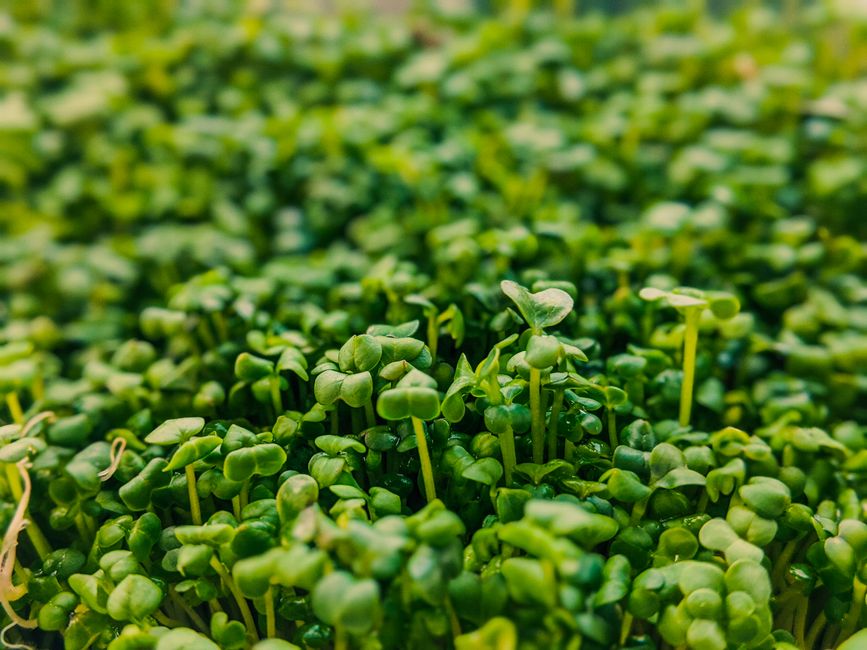
When to Harvest Microgreens: Your Guide to Perfect Timing
Learn the best time to harvest your microgreens for maximum flavor and nutrition, ensuring a perfect crop every time.
 Microgreens
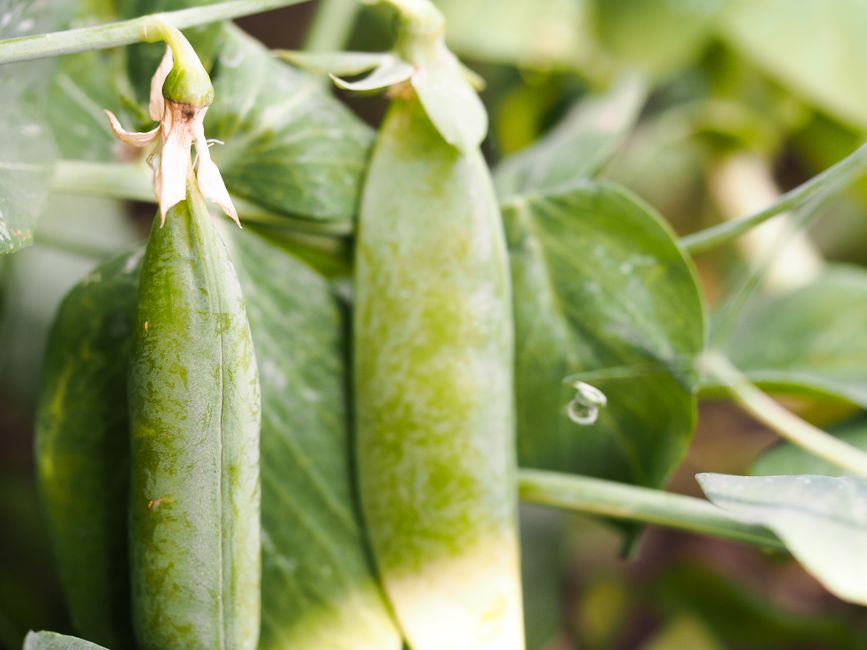
Can You Regrow Pea Shoots After Harvesting?
Discover how to get multiple harvests from your pea shoots by using the right cutting technique for easy indoor growing.
 Microgreens
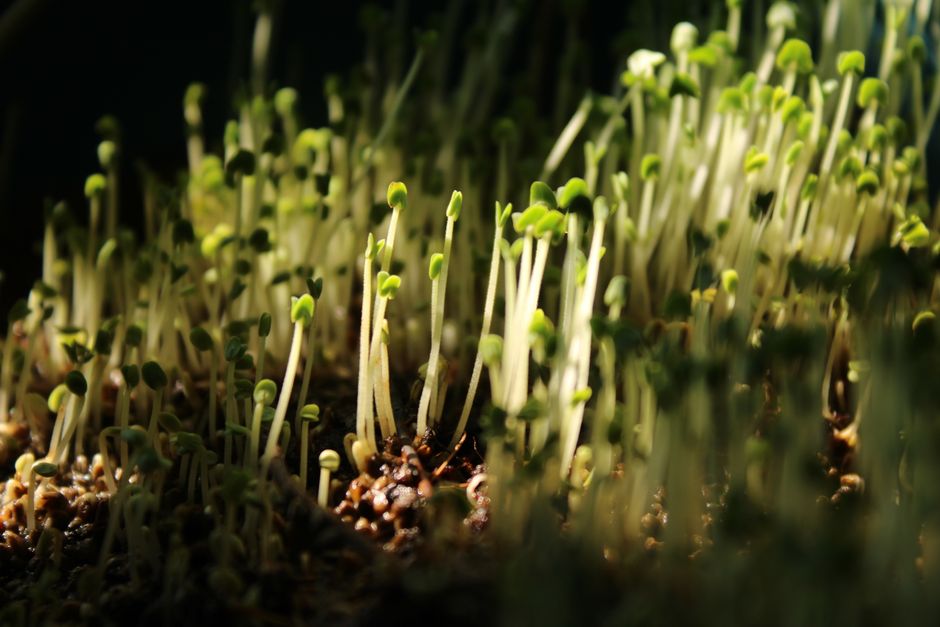
Easiest Microgreens to Grow: Your Quick Start Guide
Discover the easiest microgreens to grow at home with this beginner-friendly guide, perfect for quick, fresh harvests.