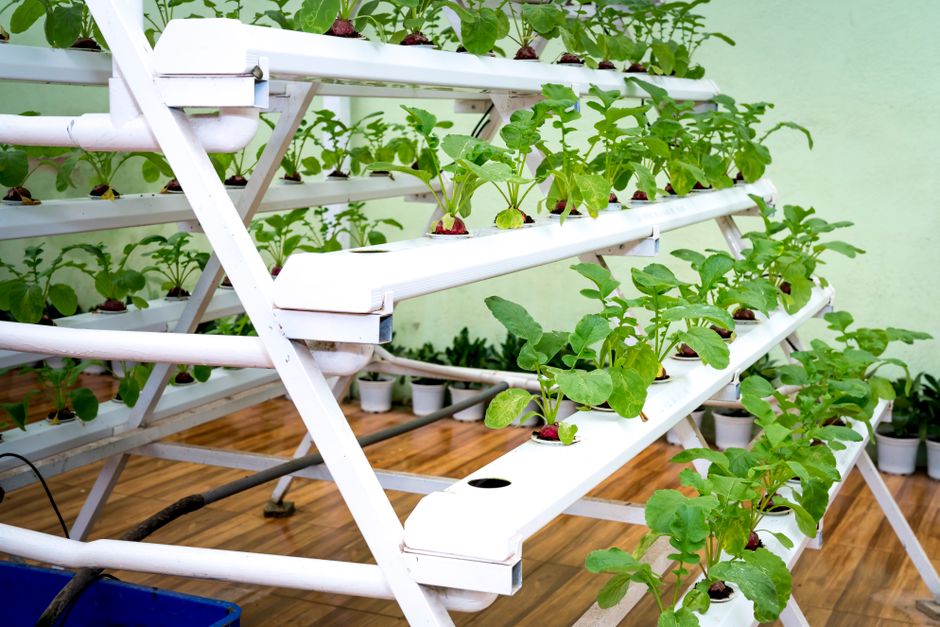
Fix Root Rot in Hydroponics: Your Guide to Healthy Roots
Seeing your indoor plants struggle can be disheartening, especially when you're putting in the effort to grow them in a hydroponic system. One of the most common and serious issues home growers face is root rot. Root rot in hydroponics is a condition where plant roots become diseased and begin to decay, often due to a lack of oxygen and the proliferation of harmful pathogens in the nutrient solution. It can quickly spread and harm your entire crop if not addressed. Luckily, with a little know-how, you can learn to fix root rot in hydroponics and keep your plants thriving.
What Exactly Is Root Rot in Hydroponics?
Root rot is a destructive condition where your plant's roots start to die and decompose, usually caused by a lack of oxygen in the water combined with the presence of harmful bacteria or fungi. When roots don't get enough oxygen, they weaken, becoming vulnerable to opportunistic pathogens that then cause them to turn brown, slimy, and eventually decay. This prevents your plants from absorbing essential water and nutrients.
In a healthy hydroponic system, roots should be white, firm, and vibrant. They spread out, actively taking up everything your plant needs to grow big and strong. When root rot sets in, this vital function is severely compromised. Your plant can't drink or eat properly, leading to noticeable problems in the leaves and overall growth.
How Can You Spot Root Rot in Your Hydroponic System?
You can spot root rot by observing specific changes in your plant's roots and its overall health. The first and most obvious signs appear on the roots themselves, but the whole plant will eventually show symptoms.
Here are the key indicators to watch for:
- Root Appearance: Healthy roots are white or off-white and have a crisp, firm texture. Roots affected by rot will turn brown, black, or even reddish-brown. They often feel slimy or mushy to the touch and might easily fall apart when gently handled.
- Unpleasant Odor: A strong, foul, or rotten smell coming from your nutrient reservoir or around the plant's base is a clear sign of severe root rot. This odor indicates anaerobic bacteria are thriving in the decaying roots.
- Plant Wilting or Drooping: Even with plenty of water, plants with root rot will often wilt or droop. This happens because the damaged roots can no longer absorb water effectively, leading to dehydration in the rest of the plant.
- Yellowing Leaves: Leaves may turn yellow, starting from the lower parts of the plant, similar to symptoms of nutrient deficiency. This is because the compromised roots struggle to deliver nutrients to the foliage.
- Stunted Growth: Affected plants will stop growing or show very slow, weak growth. They simply don't have the healthy root system needed to support vigorous development.
- Leaf Drop: In advanced stages, leaves may turn crispy and fall off prematurely.
Regularly checking your roots is one of the best ways to catch root rot early. Gently lift your plant from its net pot and inspect the roots every few days or during nutrient solution changes.
What Causes Root Rot in Hydroponics?
Root rot in hydroponic systems is primarily caused by a lack of dissolved oxygen in the nutrient solution, combined with conditions that favor harmful pathogens. Understanding these underlying causes is key to both fixing and preventing the problem.
Several factors can contribute to these conditions:
- Low Dissolved Oxygen: This is the most common culprit. Plant roots need oxygen to respire, just like leaves need carbon dioxide. If the water becomes stagnant or warm, oxygen levels drop, stressing the roots and making them susceptible to disease.
- High Water Temperature: Warm water holds less dissolved oxygen than cool water. Temperatures above 70-72°F (21-22°C) can significantly reduce oxygen levels and create an ideal environment for harmful bacteria and fungi to multiply. For more on this, check out our guide on Ideal Hydroponic Water Temperature for Thriving Plants.
- Poor System Cleanliness: A dirty reservoir or clogged components can harbor pathogens. Leftover plant debris, old nutrient solution, or biofilm buildup provides food and shelter for harmful microorganisms.
- Over-fertilization: Too much nutrient solution can create an overly concentrated environment that stresses roots and makes them less efficient at absorbing water and oxygen. It can also lead to nutrient lockout, further weakening the plant.
- Inadequate Aeration: If your system's air pump or air stone isn't strong enough or is improperly placed, it won't provide sufficient oxygen to the roots.
The Role of Dissolved Oxygen
Dissolved oxygen is crucial for healthy root function in hydroponics. Without enough oxygen, plant roots effectively suffocate. This lack of oxygen causes the root cells to weaken and die, creating prime conditions for anaerobic bacteria (those that thrive without oxygen) and fungal pathogens to take over. These pathogens then attack the compromised roots, leading to the characteristic slimy, brown decay of root rot.
Ensuring your nutrient solution is well-oxygenated is your primary defense against root rot. This means having a properly sized air pump and air stone, and making sure they are functioning correctly.
How Do You Fix Root Rot and Save Your Plants?
If you've identified root rot, act quickly to save your plants by isolating the problem and treating the affected roots and system. You can often rescue plants if the rot isn't too severe.
Follow these steps to treat root rot:
- Isolate and Inspect: Gently remove the affected plant from your system. Carefully inspect the roots, noting which parts are healthy and which are rotting.
- Prune Damaged Roots: Using clean, sharp scissors or a razor blade, carefully trim away all discolored, slimy, or mushy roots. Cut back to healthy, white root tissue. Sterilize your tools with rubbing alcohol between each cut to avoid spreading pathogens.
- Rinse Roots: Gently rinse the remaining healthy roots under cool, clean water to remove any lingering pathogens or decaying matter.
- Clean Your System Thoroughly: This is a critical step. Drain your entire hydroponic system. Clean the reservoir, tubes, pumps, and all components with a diluted bleach solution (about 1 part bleach to 10 parts water) or a specialized hydroponic system cleaner. Rinse everything thoroughly with clean water multiple times to ensure no cleaning solution residue remains. Always make sure electrical components like pumps and timers are kept away from water spills to avoid hazards.
- Prepare Fresh Nutrient Solution: Refill your reservoir with fresh, cool water and a new batch of nutrient solution, mixed according to your plant's specific needs and the manufacturer's instructions. Ensure the water temperature is ideal for your plants (below 70°F or 21°C).
- Boost Oxygenation: Ensure your air pump and air stone are working effectively. You might consider adding an additional air stone or upgrading to a more powerful air pump to increase dissolved oxygen levels.
- Consider Beneficial Microbes: Adding beneficial bacteria or fungi products to your nutrient solution can help establish a healthy microbial balance, outcompeting root rot pathogens.
- Reintroduce Plant: Place your treated plant back into the clean system. Monitor it closely for signs of recovery and new root growth.
How Can You Prevent Root Rot From Happening Again?
Preventing root rot is much easier than treating it, and a few consistent practices can keep your hydroponic system healthy. Focus on maintaining optimal environmental conditions and good hygiene.
Here are key prevention strategies:
- Maintain Optimal Water Temperature: Keep your nutrient solution cool, ideally between 65-70°F (18-21°C). Use a water chiller if your grow space gets too warm, or place your reservoir in a cooler spot away from direct light.
- Ensure Excellent Aeration: Provide ample dissolved oxygen to your roots. Use a powerful air pump and appropriately sized air stone(s) for your reservoir volume. Ensure the air stone is producing fine bubbles and is not clogged.
- Practice Strict Cleanliness: Regularly clean your hydroponic system. This includes draining and scrubbing the reservoir, cleaning tubing, and sterilizing net pots between grow cycles. Change your nutrient solution regularly; our guide on How Often Should You Change Hydroponic Water? has more details.
- Monitor pH and EC/PPM: Keep your nutrient solution's pH and EC/PPM levels within the optimal range for your specific plants. Imbalances can stress roots and make them more vulnerable.
- Avoid Over-fertilization: Follow nutrient manufacturer guidelines carefully. More is not always better, and excessive nutrients can harm roots.
- Use Quality Water: Start with clean, filtered water if your tap water is problematic. Water quality directly impacts the health of your system.
- Inspect Roots Regularly: Make it a habit to check your plant roots every few days. Early detection is your best defense.
- Consider Hydroguard or Beneficial Bacteria: Products containing beneficial microbes can help protect roots from harmful pathogens by colonizing the root zone with good bacteria.
Final Thoughts
Root rot can be a frustrating challenge for any indoor hydroponic grower, but it doesn't have to spell the end for your plants. By understanding what causes this common problem, recognizing its symptoms early, and taking swift action, you can effectively fix root rot in hydroponics. Implementing consistent preventative measures will ensure your plants develop strong, healthy roots, leading to a more productive and enjoyable indoor garden. Keep learning and growing with more guides from MicroVeg!
Frequently Asked Questions
Can root rot spread to other plants in my hydroponic system?
Yes, root rot can easily spread from an infected plant to healthy plants in a shared hydroponic system, as the pathogens travel through the nutrient solution.
What do healthy hydroponic roots look like?
Healthy hydroponic roots are typically white or off-white, firm to the touch, and can have a slightly fuzzy appearance, indicating active nutrient uptake.
Is hydrogen peroxide safe to use for root rot in hydroponics?
Diluted hydrogen peroxide can be used as a short-term treatment to kill pathogens and add oxygen, but it should be used cautiously as it can also harm beneficial microbes and root tissue if too strong.
How long does it take for plants to recover from root rot?
Recovery time for plants with root rot varies depending on the severity of the infection and the plant type, but you might start seeing new white root growth and improved foliage within a week or two after treatment.
Explore More Plant Care Guides
 Plant Care
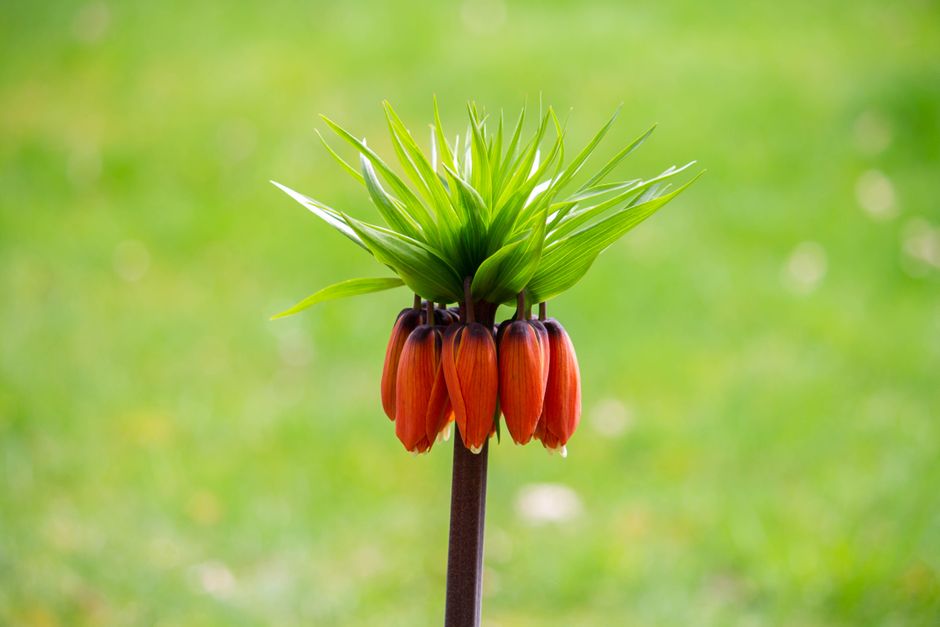
Crown Imperial Indoors: Can This Showstopper Thrive?
Learn if the magnificent Crown Imperial can truly thrive in your indoor container garden or on your balcony, and what challenges you might face.
 Plant Care
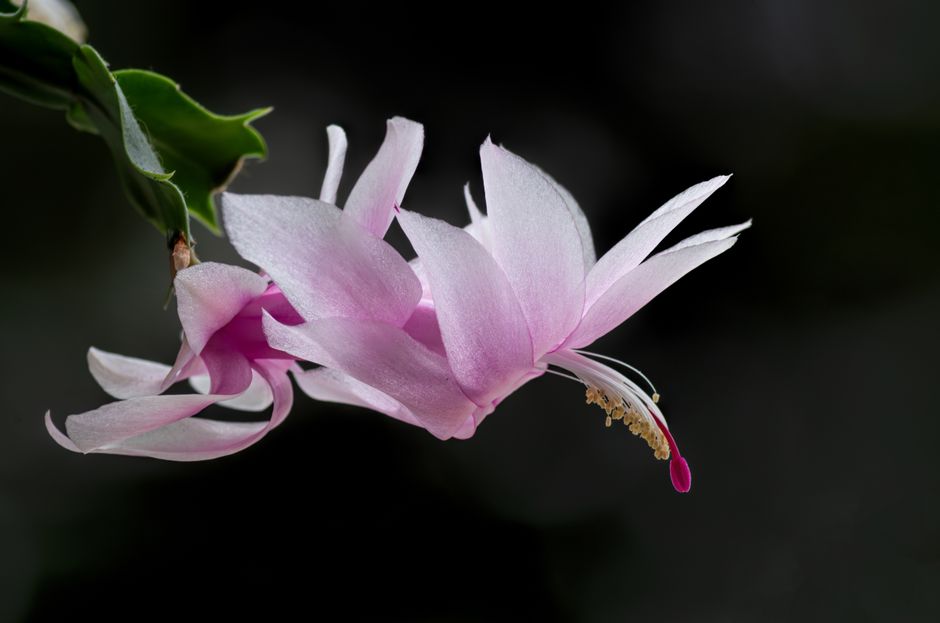
Christmas Cactus Bloom: 3 Secrets for Indoor Growers
Learn the simple, practical secrets to make your Christmas cactus bloom beautifully indoors, turning your home into a festive display.
 Plant Care
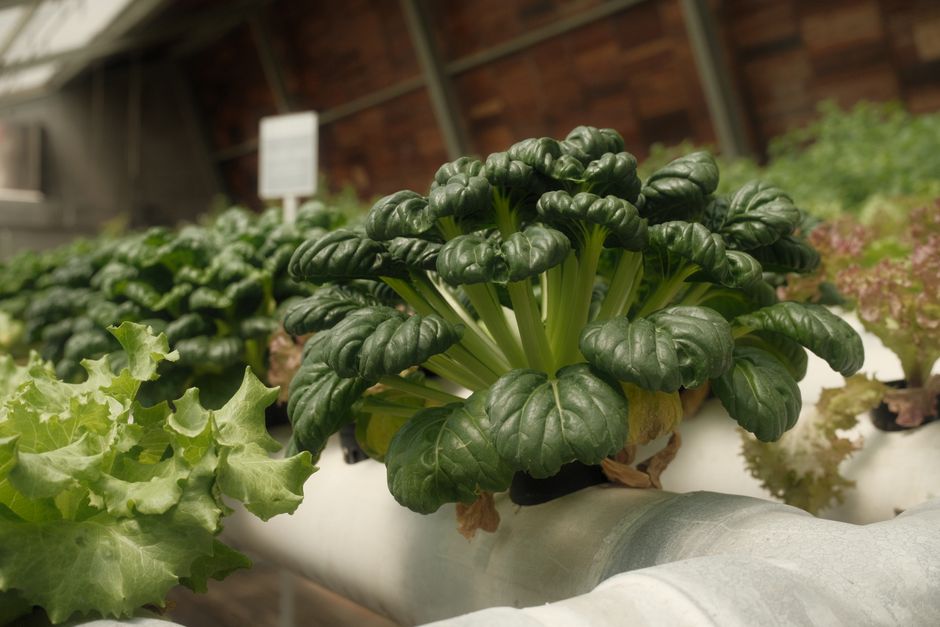
Prevent Algae in Hydroponics: Your Guide to Clean Systems
Discover simple, effective strategies to prevent algae in hydroponics and keep your indoor gardening system clean and your plants thriving.