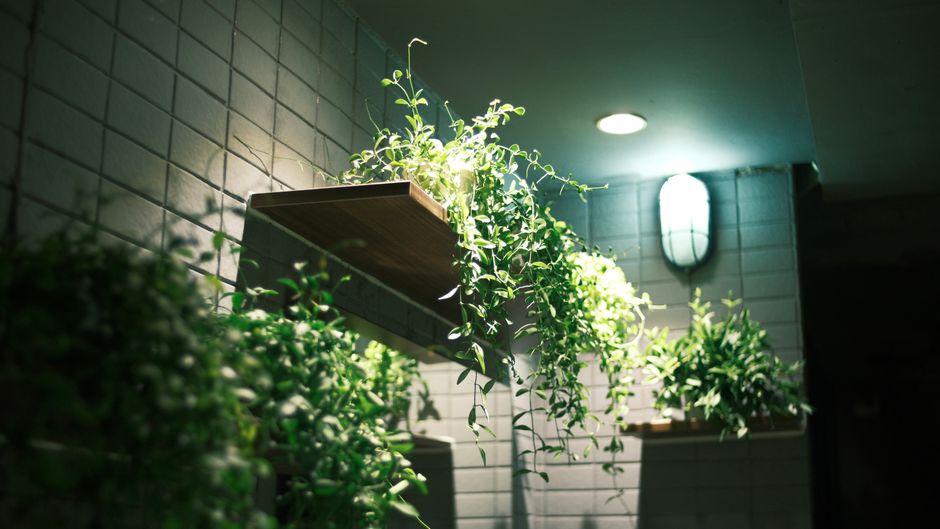
Mount Grow Lights in Small Spaces: Your Easy Guide
Finding enough light for your indoor plants can be a challenge, especially when you're short on space. Learning to mount grow lights efficiently transforms cramped corners and ordinary shelves into vibrant growing zones, giving your plants the light they need without cluttering your home. This guide will show you simple, budget-friendly ways to integrate grow lights seamlessly into any small apartment or home, making indoor gardening accessible and enjoyable for everyone.
Why Mount Grow Lights in Small Spaces?
Mounting grow lights is a smart way to maximize your indoor gardening potential, especially when you don't have a lot of room. It allows you to use existing furniture like shelves, desks, or even the underside of cabinets, turning otherwise unused areas into perfect spots for plants.
For apartment dwellers or anyone with limited square footage, dedicated grow tents or large stands simply aren't an option. Mounting lights helps you create a thriving garden in a small footprint. It also keeps your growing setup tidy and organized, which is a big plus in any home.
Beyond saving space, a well-mounted grow light system can also be more budget-friendly. You can avoid buying expensive grow light stands by using what you already have. This flexibility lets you adapt your growing area as your plant collection or needs change.
What Tools and Materials Do You Need to Mount Grow Lights?
Setting up your grow lights doesn't require a lot of fancy equipment. You'll mostly need basic tools and some clever hanging hardware. Always gather everything before you start so your project goes smoothly.
Here's a list of common items you might need, depending on your chosen method:
- Your chosen LED grow lights (bar lights, panel lights, or shop lights)
- Measuring tape or ruler
- Pencil or marker
- Screwdriver or drill (if using screws or hooks)
- Small level (optional, but helpful for straight mounting)
- S-hooks or J-hooks
- Zip ties
- Command strips or other strong adhesive strips
- Small chains or sturdy wire
- Tension rods (for non-permanent setups)
- Magnetic hooks (if mounting on metal surfaces)
When working with electrical equipment, remember a key safety tip: always keep electrical timers, power strips, and light ballasts away from any water spills to prevent hazards. A little caution goes a long way in keeping your indoor garden safe.
How to Mount Grow Lights Under Shelves or Cabinets
Mounting grow lights under shelves or cabinets is one of the most popular and effective ways to create a discreet, space-saving indoor garden. This method works perfectly for kitchen counters, office desks, or any existing shelving unit.
First, measure the space you have available under your chosen shelf or cabinet. Make sure your grow light fits comfortably. You want the light to cover your plants evenly. Once you have your measurements, you can decide on your mounting method.
For a permanent solution, you can use small screw-in hooks or brackets. Mark your spots with a pencil, pre-drill small pilot holes if necessary, and then screw in the hooks. You can then use S-hooks or short chains to hang your grow light from these. This method is very sturdy and keeps the light securely in place.
If you prefer not to drill, strong adhesive strips like Command strips are an excellent alternative. Many LED bar lights are lightweight enough for these strips. Clean the surface thoroughly before applying the strips to ensure good adhesion. Press the light firmly into place and let the adhesive cure for the recommended time before turning on your light.
Another option, especially for wire shelving units, is using zip ties. Thread the zip ties through the hanging points on your grow light and around the wire shelf above. Pull them tight for a secure hold. This is a very quick and adaptable method.
Hanging Lights on Open Shelving Units
Open shelving units are fantastic for growing because they offer plenty of vertical space. You can easily hang grow lights from the underside of each shelf to illuminate the plants below.
S-hooks are your best friend here. Simply hook one end onto the wire or lip of the shelf above, and the other end through the hanging point on your grow light. You can use multiple S-hooks for stability. For heavier lights, consider using small chains or sturdy wire cut to length, then secured with S-hooks.
Zip ties also work wonderfully for open shelving, particularly wire shelves. They provide a snug fit and are easy to adjust or remove if you need to reposition your lights later. Just make sure the zip ties are strong enough to support the weight of your light.
Creative Ways to Mount Grow Lights Without Drilling
Not everyone can or wants to drill holes in their walls or furniture. Thankfully, there are many clever, non-damaging ways to mount grow lights, perfect for renters or those who like flexibility.
One of the easiest no-drill methods is using tension rods. These extendable rods can fit snugly between two walls, inside a window frame, or even within a cabinet opening. You can then use S-hooks or zip ties to hang lightweight grow lights directly from the tension rod. This setup is incredibly versatile and easy to move.
For smooth, non-porous surfaces, heavy-duty suction cup hooks can hold surprisingly well. These are best for very light grow bars or supplemental lighting. Ensure the surface is perfectly clean and dry for maximum hold. Magnetic hooks are another great option if you have metal shelves, appliances, or a metal pegboard. They offer strong, temporary adhesion and are easy to reposition.
If you're using a bookshelf or a tall, narrow cabinet, you can create a simple light stand using PVC pipes or even sturdy wooden dowels. Build a small frame that sits inside your shelf opening, then attach your lights to that frame with zip ties. This creates a self-contained lighting unit that doesn't touch your furniture directly.
Tips for Optimal Grow Light Placement and Distance
Once your grow lights are securely mounted, getting the distance and placement right is crucial for healthy plant growth. Always aim to place your lights directly over your plants, ensuring even coverage.
The ideal distance between your grow light and the top of your plants depends heavily on the type and wattage of your light. Generally, higher intensity lights need to be further away, while lower intensity lights can be closer. Always check your specific light manufacturer's recommendations for optimal distance. Too close and you risk burning your plants; too far and they won't get enough light, leading to leggy growth.
As your plants grow taller, you'll need to adjust the light's height. Using adjustable chains or S-hooks makes this process simple. You can easily raise or lower the light to maintain the correct distance. Consider adding a timer to your grow light setup so your plants receive consistent light cycles. This mimics natural day and night, which is important for their health.
To learn more about setting the perfect light distance for your plants, check out our guide on Setting Your LED Grow Light Distance for Optimal Growth. It provides detailed advice to help your plants thrive.
Final Thoughts
Mounting grow lights in small spaces doesn't have to be complicated or expensive. With a little creativity and the right tools, you can easily create a productive indoor garden using existing furniture and simple hardware. Enjoy watching your plants flourish under their perfectly placed lights, no matter how small your home is. Ready to grow? Explore more MicroVeg guides for inspiration and practical tips!
Frequently Asked Questions
Can I use regular LED strip lights as grow lights?
While some regular LED strip lights can provide very basic light, they often lack the specific spectrum and intensity needed for robust plant growth. Dedicated grow lights are designed with the right wavelengths for photosynthesis.
How high should my grow lights be from plants?
The ideal height varies by light type and plant needs, but generally, LED grow lights are placed 6-24 inches above plants. Always check your light manufacturer's recommendations and observe your plants for signs of stress or legginess.
Do grow lights need to be on 24/7?
No, most plants need a period of darkness to complete their natural growth cycles. A typical schedule is 12-16 hours of light per day, followed by 8-12 hours of darkness, depending on the plant.
What plants grow well under mounted grow lights?
Many common indoor plants thrive under mounted grow lights, including leafy greens like lettuce and spinach, herbs like basil and mint, microgreens, and even smaller fruiting plants like dwarf tomatoes or peppers.
Explore More Grow Lights Guides
 Grow Lights
LED vs Fluorescent Grow Lights: Which Is Best for You?
Choosing the right grow light is crucial for indoor success. Learn the differences between LED and fluorescent lights to make the best choice.
 Grow Lights
Set Your LED Grow Light Distance for Optimal Growth
Finding the right LED grow light distance is crucial for healthy indoor plants. Learn how to position your lights for the best results.
 Grow Lights
Grow Light vs Natural Light: Best for Your Indoor Plants?
Learn whether natural sun or a specialized grow light is the best choice for cultivating thriving indoor plants in your home garden.