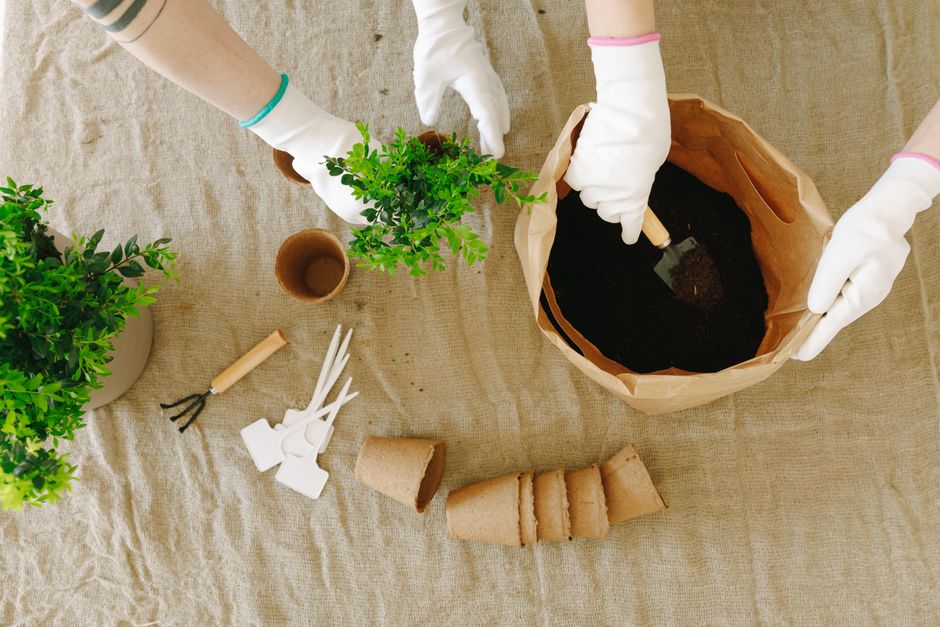
Mulching Container Plants: 5 Mistakes to Avoid
Adding a top cover to your indoor and balcony pots helps lock in soil moisture and protect root systems. However, mulching container plants incorrectly can lead to soggy potting soil, stem decay, and unwanted household pests. Here are five critical mistakes home growers make when applying mulch in small pots and how to avoid them easily.
Why Is Piling Mulch Against Plant Stems Dangerous?
Piling mulch directly against plant stems traps moisture against the main stem, creating an ideal environment for fungal rot and stem decay. Potted plants need air movement around the crown of the stem where it meets the potting soil. When wet mulch touches tender stem tissues, soft rot setting in can destroy an otherwise healthy container crop within days.
Outdoor gardeners often call this mistake volcano mulching, but it happens inside small containers just as frequently. When you add wood chips, coir, or moss into a small pot, it is easy to spill material right up against the base of your plants. This excess moisture soft-rots the green outer layer of the stem and blocks normal nutrient movement.
How to Leave a Proper Breathable Gap
To keep your plants safe, always leave a clean half-inch to one-inch gap around the main stem of your plant. Push the mulching material outward toward the rim of the pot using your fingertips. This simple donut shape allows oxygen to circulate while still covering the majority of the surface soil.
As a safety note, remember to wash your hands after handling raw organic mulch materials. Always keep power strips and electrical cords for your LED grow lights elevated high above pot drainage trays to prevent water spills from reaching electrical components.
How Thick Should You Mulch Container Plants?
You should mulch container plants with a light layer between one half inch and one inch deep, which prevents rapid drying without suffocating root aeration. In outdoor garden beds, three inches of mulch is standard, but applying that much material to a small container limits available pot space and chokes air circulation.
Containers hold a finite amount of potting soil and air space inside the rim. Laying down a heavy layer of material leaves zero headroom for top watering. Water will overflow the rim of the pot before soaking into the root zone, spilling messy soil across your shelves or floor.
Thick layers also trap too much water in the top portion of the pot. When you grow bush beans in small spaces or maintain indoor herbs, oxygen exchange through the top soil surface is essential for healthy root respiration. Keep your top layer shallow so air can easily reach the medium.
Can You Use Outdoor Organic Mulch Inside Your Home?
Using raw outdoor organic mulch indoors often introduces unwanted pests like fungus gnats, aphids, and mold spores straight into your indoor garden. Tree bark, fallen leaves, and wood chips taken directly from an outdoor pile carry dormant insect eggs and soil microbes. Once brought into a warm indoor room, those eggs hatch quickly and infest every potted plant on your shelves.
Unsterilized outdoor materials also decompose rapidly inside humid living areas, causing unsightly white mold and sour odors. Indoor container growers need clean, stable cover materials that do not decay rapidly or harbour persistent pests.
Best Mulch Alternatives for Indoor Pots
Switching to clean, inert materials gives you all the moisture retention benefits without bringing pests into your home. Here are effective choices for potted plant mulch:
- Expanded clay pebbles (hydroton) that allow great air movement while stopping rapid surface drying.
- Washed pea gravel or decorative river stones for clean, attractive pots.
- Sterilized coco coir chips, which hold water cleanly without breaking down too fast.
- Shredded sphagnum moss for humidity-loving container herbs on sunny windowsills.
Does Mulching Container Plants Cause Root Rot?
Mulching container plants can cause root rot if you mulch heavy soil that already retains too much water, preventing necessary evaporation. Mulch works by slowing down water loss from the top layer of your growing medium. If your underlying potting mix lacks perlite or coarse material, adding a top cover traps water inside the pot for far too long.
Roots require a balance of moisture and oxygen to thrive. When moisture cannot evaporate from the top and drainage holes are sluggish, stagnant water fills the air pockets in the mix. Root tips turn brown, lose their ability to take up nutrients, and eventually die from oxygen starvation.
Before adding top cover, check your drainage setup and potting soil density. If you are protecting plants during a heat wave on a warm balcony, mulch is wonderful, but ensure your pots have functional drainage holes so extra water escapes freely.
When Is the Wrong Time to Mulch Potted Plants?
The wrong time to mulch potted plants is when the soil is dry or when young seedlings are still trying to sprout above the soil line. Applying a protective surface layer over bone-dry soil locks out moisture from light waterings and prevents you from accurately checking surface dryness with your finger.
Always water your container thoroughly before applying any top cover. This locks moisture deep down near the root system where it belongs. Once the mulch layer is in place, you can top water gently without displacing the growing medium underneath.
Avoid mulching seed trays or newly germinated sprouts. Small seedlings lack the stem strength to push past heavy cover materials, and dark cover layers block light from reaching tiny seed leaves as they emerge.
Final Thoughts
Properly mulching container plants gives your indoor and balcony garden stable soil moisture while protecting sensitive roots from temperature fluctuations. Avoid piling materials against green stems, keep layers thin, and stick to clean indoor-safe options. Explore our other guides on MicroVeg to learn more tips for growing fresh crops in tight spaces.
Frequently Asked Questions
Can you mulch indoor potted plants?
Yes, you can mulch indoor potted plants using clean materials like clay pebbles, gravel, or coir chips to keep moisture in the soil.
How close to the plant stem should mulch be?
Mulch should be kept at least half an inch away from the plant stem to prevent moisture accumulation and stem rot.
Does mulching attract bugs inside the house?
Mulching can attract bugs indoors if you use raw outdoor wood bark or leaves that already carry insect eggs and mold spores.
How deep should mulch be in container pots?
Mulch in container pots should be between one half inch and one inch deep to allow good air circulation.
Explore More Plant Care Guides
 Plant Care
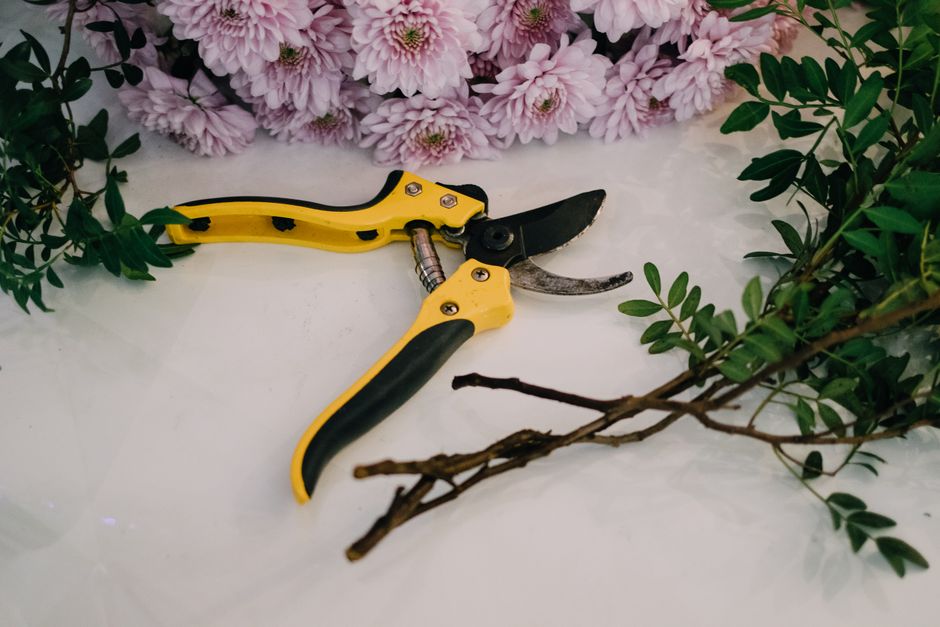
Pruning Chrysanthemums for Longer Indoor Blooms
Discover effective pruning techniques for chrysanthemums to ensure more vibrant and continuous blooms in your indoor garden.
 Plant Care
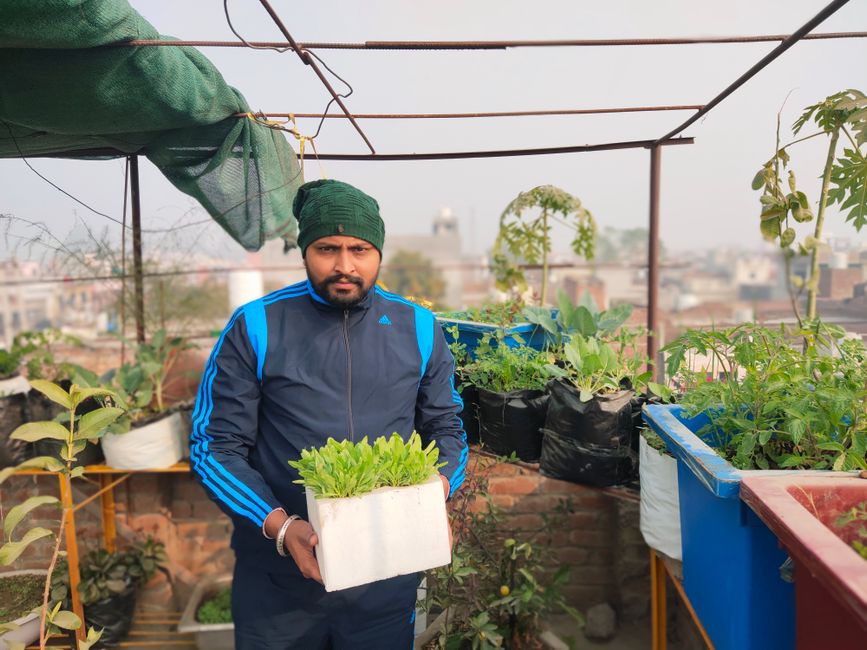
How to Grow Spinach Indoors: Fresh Leaves Year-Round
Learn how to grow fresh spinach indoors all year long, perfect for small spaces and a continuous harvest.
 Plant Care
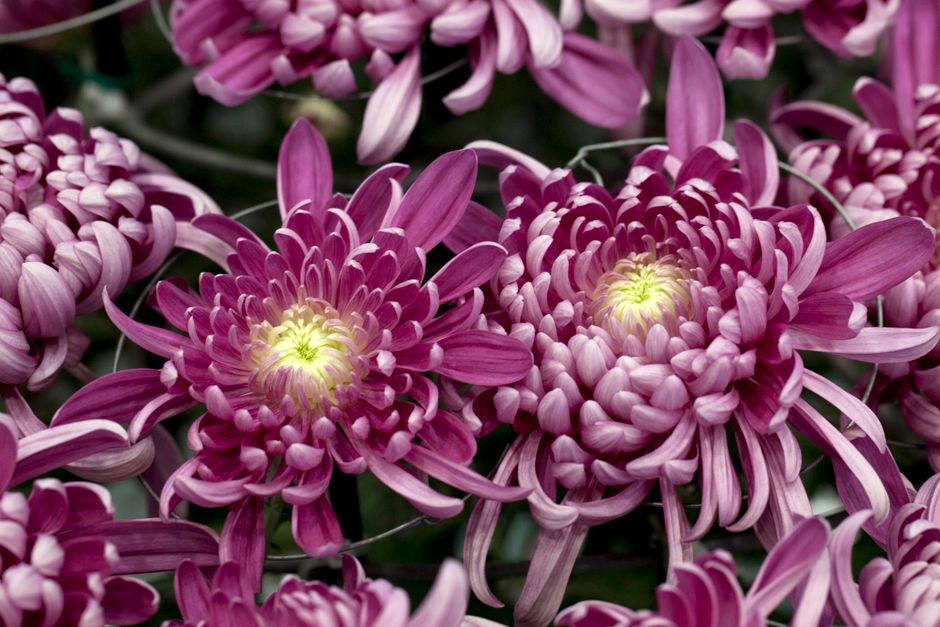
Indoor Chrysanthemum Care: Avoid This Common Mistake
Bringing chrysanthemums indoors for fall decor is popular, but many home growers make a key mistake that causes these vibrant plants to quickly decline.