Fix Common Indoor Gardening Mistakes for Better Yields
Are your indoor plants looking a little sad or not producing as much as you hoped? You're not alone. Many home growers encounter common indoor gardening mistakes that can hinder their plants' success.
Common indoor gardening mistakes refer to frequent errors in plant care, environmental control, or setup that prevent indoor plants from thriving, leading to stunted growth, poor yields, or even plant death. Recognizing and correcting these issues is key to a flourishing indoor garden.
Whether you're growing microgreens on your kitchen counter or a full hydroponic system, understanding these pitfalls can make a big difference. Let's explore the most frequent missteps and how to turn them into triumphs.
Are You Giving Your Plants Enough Light?
Many indoor growers underestimate their plants' light needs, which is one of the most common indoor gardening mistakes. Even a sunny window often doesn't provide enough consistent intensity or duration for vigorous growth, especially during shorter daylight months.
Symptoms of insufficient light include leggy, stretched plants, pale leaves, and a lack of flowering or fruiting. Your plants are literally reaching for light, trying to maximize any available photons.
Choosing the Right Grow Light System
To ensure your indoor plants get adequate light, invest in a dedicated grow light system. LED grow lights are energy-efficient and offer a full spectrum beneficial for all growth stages. Consider the type of plants you are growing; leafy greens often need less intense light than fruiting plants.
Always check the manufacturer's recommendations for wattage and coverage area. Positioning your lights correctly is also crucial. Too far, and plants stretch; too close, and they can burn. You can find more details on setting your LED grow light distance for optimal growth.
How Do You Get Watering and Nutrient Dosing Right?
Incorrect watering and nutrient management are critical common indoor gardening mistakes that can quickly lead to plant distress. Overwatering suffocates roots in containers, while underwatering causes dehydration. In hydroponics, an imbalanced or incorrect nutrient solution can be equally damaging.
For container plants, always check the soil moisture before watering. Stick your finger about an inch into the soil; if it feels dry, it's time to water. Ensure your pots have drainage holes to prevent root rot. Hydroponic systems require regular monitoring of your nutrient reservoir's water level, pH, and electrical conductivity (EC) or parts per million (PPM) to ensure plants get the right balance of food.
The Dangers of Over- and Under-Fertilization
Both too much and too little fertilizer can harm your plants. Over-fertilization, especially with indoor plants that don't have rain to leach excess salts, can lead to nutrient burn, visible as crisp, brown leaf tips. Under-fertilization results in nutrient deficiencies, showing up as yellowing leaves or stunted growth.
Always follow the dosage instructions on your chosen nutrient solution bottle. For hydroponic systems, replenish your reservoir with fresh solution every 1-2 weeks to prevent nutrient imbalances and salt buildup. When handling nutrient solutions and pumps, always keep electrical components away from spills to ensure safety.
Are Your Environmental Conditions Optimal?
Ignoring environmental factors like temperature, humidity, and air circulation is another frequent error in indoor gardening. Plants have ideal ranges for these conditions, and straying too far outside them can cause stress, slow growth, and increase susceptibility to pests.
Most common indoor plants thrive in temperatures between 65-75°F (18-24°C). Humidity levels for many leafy greens and herbs are best kept between 40-60%. Air circulation, provided by a small oscillating fan, is vital to strengthen stems, prevent fungal issues, and help with transpiration. For more information on maintaining stable temperatures in hydroponic setups, check out our guide on ideal hydroponic water temperature for thriving plants.
Did You Choose the Right Plants for Your Space?
One of the less obvious common indoor gardening mistakes is selecting plants that are not well-suited for indoor growing conditions or for the size of your available space. Not all plants are happy indoors, and even fewer thrive in hydroponic systems.
Research the specific needs of any plant before bringing it into your indoor garden. Consider its mature size, light requirements, and whether it's suitable for your chosen growing method, such as hydroponics or container gardening. Matching your plant choices to your setup is fundamental for success.
Selecting High-Yielding Indoor Varieties
Focus on compact varieties or those known to perform well in controlled environments. Microgreens are an excellent choice for small spaces due to their rapid growth and quick harvest. For hydroponics, leafy greens like lettuce, spinach, and herbs such as basil and mint are fantastic options. Our guide on the best lettuce for indoor growing offers great choices.
Don't overcrowd your plants. Adequate spacing ensures proper air circulation and light penetration for every plant, minimizing competition for resources and reducing disease risk.
Are You Checking Your Plants Regularly for Pests?
Neglecting routine inspections is a common indoor gardening mistake that allows pest infestations and diseases to take hold before you notice them. By the time you see obvious damage, the problem might be widespread and harder to control.
Make it a habit to inspect your plants daily or every few days. Look closely at the tops and undersides of leaves, stems, and around the growth medium. Early detection of tiny bugs, unusual spots, or mold can save your entire harvest.
Simple Steps for Pest Prevention and Control
- Wipe Leaves: Regularly wipe down plant leaves with a damp cloth to remove dust and potential pest eggs.
- Quarantine New Plants: Always isolate new plants for a week or two before introducing them to your main garden to prevent bringing in pests.
- Use Neem Oil: A natural preventative and treatment, diluted neem oil spray can deter many common indoor pests.
- Introduce Beneficial Insects: For persistent issues, consider predatory mites or ladybugs, which are safe for indoor use.
Acting quickly at the first sign of trouble is always more effective than waiting until pests have established a strong presence.
Final Thoughts
Avoiding these common indoor gardening mistakes will set you on a path toward a more productive and enjoyable growing experience. By paying attention to light, water, nutrients, environment, plant selection, and regular inspections, your indoor garden will thrive. Keep learning and experimenting, and explore more MicroVeg guides to refine your skills.
Frequently Asked Questions
What is the most common mistake for new hydroponic growers?
New hydroponic growers often struggle with maintaining the correct pH balance and nutrient solution strength, which are critical for plant health.
How can I tell if my indoor plant is getting too much or too little light?
Too little light results in leggy, pale growth, while too much light can cause scorched or bleached leaves, especially at the edges.
What are the signs of overwatering in container plants?
Signs of overwatering include yellowing leaves, wilting despite wet soil, and a foul odor from the soil due to root rot.
How often should I check my indoor plants for pests?
It's best to check your indoor plants thoroughly for pests every few days, examining both the top and underside of leaves.
Explore More Plant Care Guides
 Plant Care
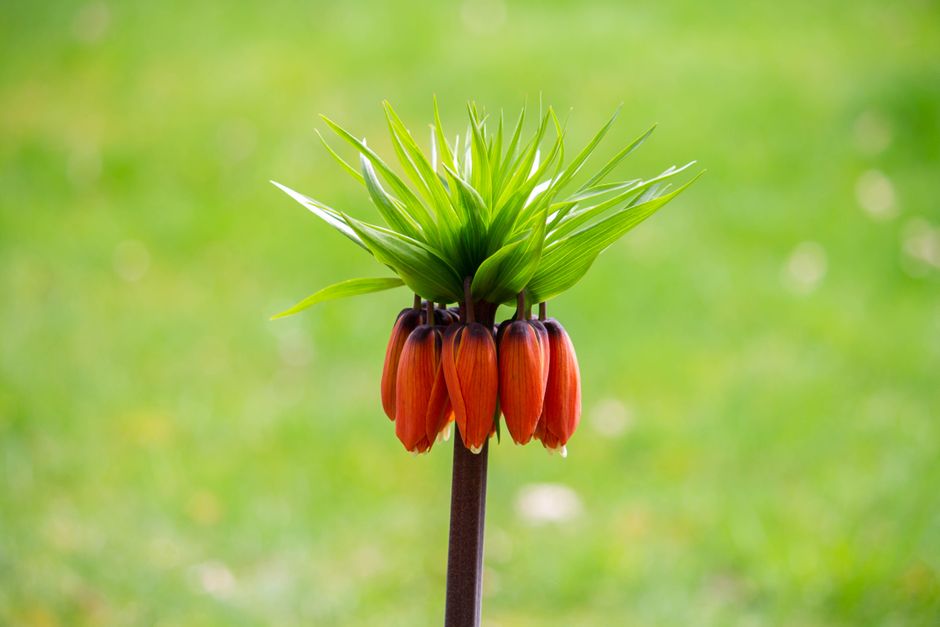
Crown Imperial Indoors: Can This Showstopper Thrive?
Learn if the magnificent Crown Imperial can truly thrive in your indoor container garden or on your balcony, and what challenges you might face.
 Plant Care
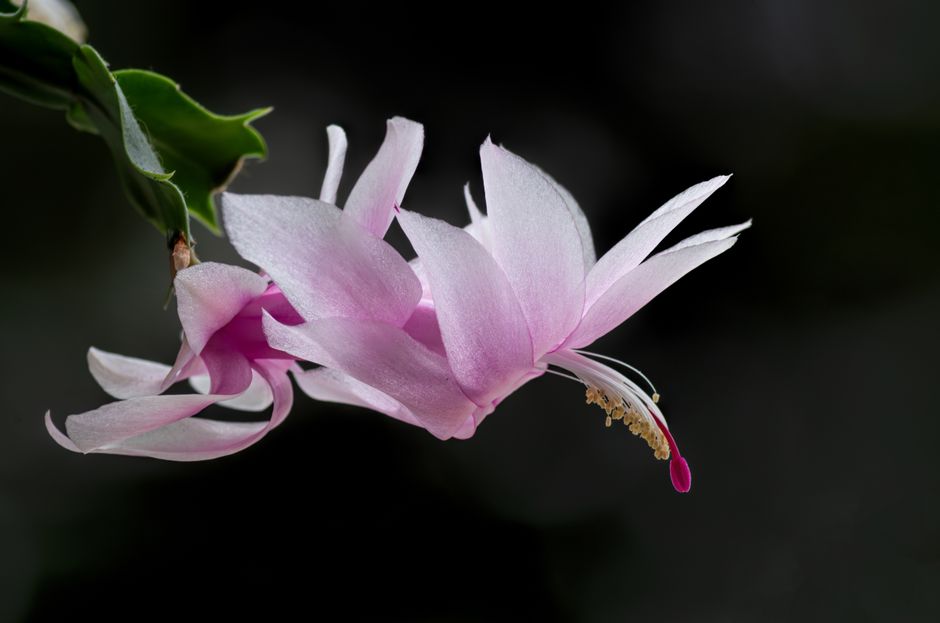
Christmas Cactus Bloom: 3 Secrets for Indoor Growers
Learn the simple, practical secrets to make your Christmas cactus bloom beautifully indoors, turning your home into a festive display.
 Plant Care
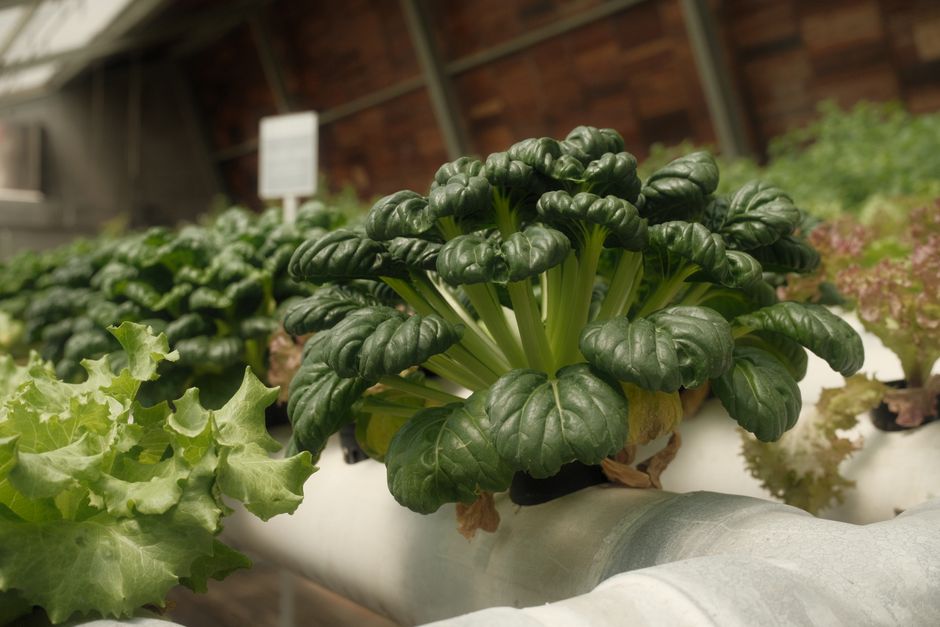
Prevent Algae in Hydroponics: Your Guide to Clean Systems
Discover simple, effective strategies to prevent algae in hydroponics and keep your indoor gardening system clean and your plants thriving.