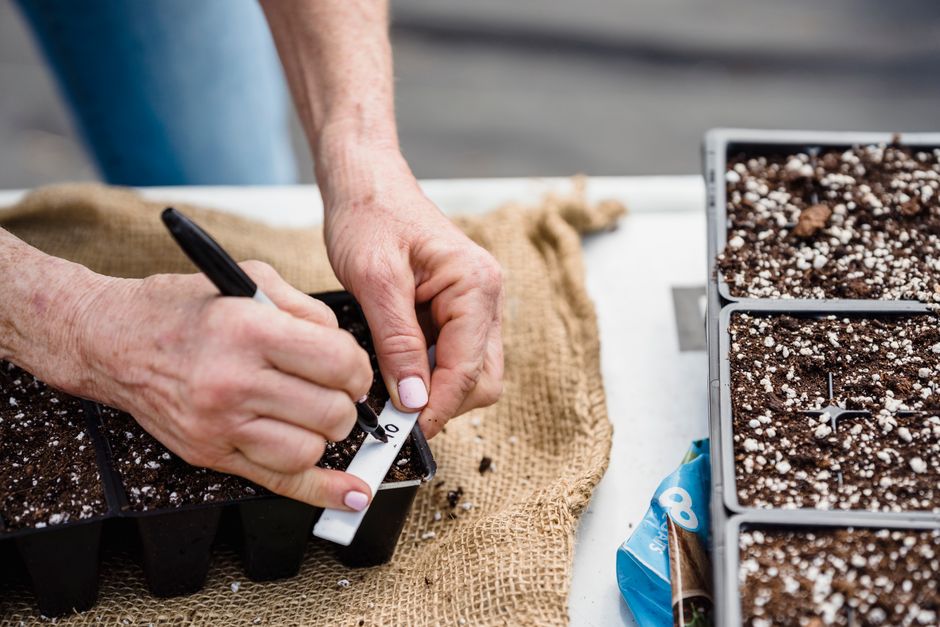
Indoor Seed Starting Small Space: Your Easy Guide
Dreaming of fresh herbs and veggies but think you don't have enough room? Starting seeds indoors in a small space is completely achievable, even if all you have is a corner of a desk or a tiny kitchen counter. It's the satisfying first step to growing your own food, giving you a head start on the growing season and access to a wider variety of plants than you'd find at the nursery. This guide will show you how to set up your indoor seed starting station compactly and efficiently, turning even the smallest nook into a vibrant plant nursery. Mastering indoor seed starting in a small space means you can cultivate your favorite plants from scratch, regardless of the outdoor weather or your apartment size.
What do you need for indoor seed starting in a small space?
You need a few key items that are often inexpensive or easily repurposed, focusing on efficiency for limited room. The essential supplies include seeds, appropriate containers, a quality growing medium, a reliable light source, and a way to provide water.
Don't feel like you need a dedicated grow room. For a small space setup, think compact and clever. You can use items like old plastic takeout containers with drainage holes poked in the bottom, or even toilet paper rolls for biodegradable pots. Keep your budget in mind as you gather your supplies.
Choosing Your Seed Starting Containers
For small spaces, container choice is crucial. Look for shallow trays, small cell packs, or individual biodegradable pots that fit together tightly. This helps you maximize every square inch. Peat pellets or coco coir starter plugs are also excellent choices as they expand with water and hold seeds securely in a minimal footprint.
- Seedling Trays with Domes: These create a mini-greenhouse effect, crucial for germination. Look for smaller versions that fit on a windowsill or desk.
- Repurposed Items: Yogurt cups, egg cartons, or even plastic clamshell containers from berries can work if you add drainage holes.
- Biodegradable Pots: Peat pots or newspaper pots break down, allowing you to transplant the entire pot, reducing root shock.
The growing medium is just as important. Avoid using garden soil, which can compact too much and introduce pests or diseases. Instead, opt for a sterile, lightweight seed starting mix. This provides the ideal texture and nutrient balance for delicate young roots to establish without issues.
How do you choose the right seeds for small space growing?
Selecting the right seeds for small spaces means looking for compact varieties, dwarf types, or plants that don't need extensive root room. Prioritize plants that offer a good yield relative to their size and mature quickly, making them perfect for limited indoor environments.
Consider the mature size of the plant, not just the seedling. Many seed packets specify if a variety is "dwarf," "bush," or "container-friendly." These are the terms you want to look for when shopping for seeds. Here are some excellent choices:
- Herbs: Basil, cilantro, parsley, chives, and mint are wonderful for small pots and provide continuous harvests.
- Leafy Greens: Loose-leaf lettuce varieties, spinach, arugula, and kale can be harvested 'cut-and-come-again' style, providing multiple meals from a single plant.
- Radishes: These grow quickly and require minimal root space, perfect for quick gratification.
- Dwarf Vegetables: Look for miniature bell peppers, cherry tomatoes, or bush beans. These varieties are specifically bred to stay compact.
- Microgreens: While a separate category, many microgreen seeds are ideal for quick, dense growth in very shallow trays, offering a high yield in a tiny area.
Avoid plants that grow very large, have deep taproots, or require extensive sprawling space, unless you have a specific vertical growing system in mind.
What's the best setup for starting seeds in a small apartment?
The best small apartment setup for starting seeds maximizes vertical space and uses efficient lighting to keep seedlings healthy without taking over your living area. A simple shelf or a dedicated corner can become a thriving nursery with the right organization.
Think vertically. A small, tiered shelving unit can quadruple your growing space without expanding its footprint. Place your seedling trays on these shelves, ensuring each level has adequate light.
Light is perhaps the most critical element for indoor seed starting. Natural light from a window is rarely enough to prevent leggy, weak seedlings. You will need supplemental lighting. LED grow lights are ideal for small spaces because they are energy-efficient, produce little heat, and come in compact sizes. Many clip-on or stick-on LED strip lights work perfectly for shelves or under-cabinet setups.
Always make sure electrical timers and grow lights are placed safely away from water spills to prevent hazards. Using a timer for your lights is essential for consistent growth; aim for 12-16 hours of light per day. For more details on choosing the right artificial light, check out our guide on Best Grow Lights for Small Spaces.
Air circulation is another often-overlooked aspect. A small, gentle fan pointed at your seedlings for a few hours a day can strengthen their stems and help prevent fungal diseases. Just make sure the airflow is gentle enough not to dry out your delicate seedlings too quickly.
How do you care for seedlings in a compact indoor garden?
Caring for seedlings in a compact indoor garden involves providing consistent light, proper watering, and maintaining suitable temperature and humidity to promote strong growth. These factors are crucial for moving beyond germination and nurturing robust young plants.
Once your seeds have germinated, remove any humidity domes to improve air circulation and prevent damping-off disease. Keep the grow lights close to the seedlings, typically just a few inches above the plant tops. This close proximity helps prevent them from stretching and becoming leggy. As your seedlings grow, adjust the light height to maintain this distance.
Watering correctly is vital. Young seedlings are delicate and prone to both overwatering and drying out. Water from the bottom whenever possible by placing your seedling trays in a shallow pan of water for 10-15 minutes, allowing the soil to soak up moisture from below. This encourages stronger root development and keeps the fragile stems dry, reducing disease risk. Only water when the top inch of soil feels dry to the touch.
Maintain a consistent room temperature, typically between 65-75°F (18-24°C), which is comfortable for most plants. Avoid drastic temperature fluctuations, especially cold drafts from windows. While your seed starting mix usually has enough nutrients for the first few weeks, you might consider a very diluted liquid fertilizer once true leaves appear. Remember, seedlings do not need full-strength nutrients.
If you're noticing issues like slow growth or discolored leaves, our guide Why Won't My Seeds Germinate? Fix Common Issues might offer helpful troubleshooting tips that apply to early seedling stages as well.
When should you transplant seedlings from a small indoor setup?
You should transplant seedlings from your small indoor setup when they have developed their first set of true leaves, show signs of outgrowing their current container, or are about to become root-bound. This critical step ensures they have enough space and nutrients to continue growing vigorously.
The "true leaves" are the second set of leaves that appear, distinct from the initial "cotyledon" leaves. These true leaves indicate that the plant is photosynthesizing efficiently and is ready for more space. Other signs include roots emerging from the bottom of the container or the plants simply looking crowded.
Handle seedlings with extreme care during transplanting. Gently hold them by a leaf, not the delicate stem, to avoid damage. Loosen the soil around the roots with a small tool, then carefully lift the seedling. Place it into a larger pot filled with fresh potting mix, burying it to the same depth it was previously, or slightly deeper for leggy seedlings like tomatoes. Water immediately after transplanting to help settle the soil and reduce transplant shock.
Before moving your seedlings outdoors permanently, remember to harden them off. This process gradually acclimates them to outdoor conditions, preparing them for the harsher elements. For a detailed walkthrough on this important step, refer to our guide When to Transplant Seedlings for Optimal Growth.
Final Thoughts
Starting seeds indoors in a small space is a rewarding and accessible way to bring fresh produce and beautiful plants into your home, no matter your apartment size. With a little planning and the right techniques, you can turn a small corner into a thriving garden nursery. Don't let limited space limit your gardening dreams. Explore more MicroVeg guides for additional tips and tricks to grow your indoor garden!
Frequently Asked Questions
Can I start seeds indoors without grow lights?
While possible for some plants, starting seeds indoors without grow lights often results in leggy, weak seedlings due to insufficient natural light. Supplemental LED grow lights are highly recommended for best results.
How much light do seedlings need?
Seedlings typically need 12-16 hours of bright light per day. Position grow lights just a few inches above the plant tops, adjusting the height as they grow to prevent stretching.
What temperature is best for indoor seed starting?
Most seeds germinate best in temperatures between 70-80°F (21-27°C). Once germinated, seedlings thrive in a slightly cooler range of 65-75°F (18-24°C).
How often should I water my indoor seedlings?
Water indoor seedlings when the top inch of their growing medium feels dry to the touch. Avoid overwatering, which can lead to damping-off disease, and aim to water from the bottom whenever possible.
Explore More Plant Care Guides
 Plant Care
Pruning Chrysanthemums for Longer Indoor Blooms
Discover effective pruning techniques for chrysanthemums to ensure more vibrant and continuous blooms in your indoor garden.
 Plant Care
How to Grow Spinach Indoors: Fresh Leaves Year-Round
Learn how to grow fresh spinach indoors all year long, perfect for small spaces and a continuous harvest.
 Plant Care
Indoor Chrysanthemum Care: Avoid This Common Mistake
Bringing chrysanthemums indoors for fall decor is popular, but many home growers make a key mistake that causes these vibrant plants to quickly decline.