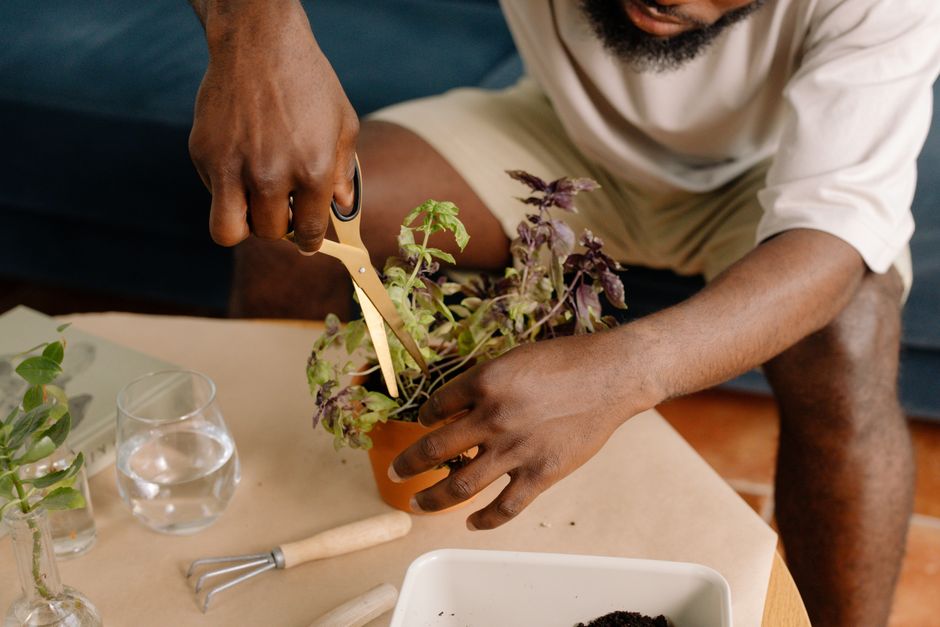
Pruning Basil: Maximize Your Indoor Hydroponic Harvest
Have you ever watched your vibrant basil plant suddenly shoot up, produce tiny flowers, and then lose all its wonderful flavor? You are not alone. Many home growers face this challenge, but the good news is there is a simple, effective solution: pruning basil. Pruning basil involves strategically pinching or snipping stems and leaves to encourage bushier growth, prevent premature flowering, and ensure a continuous supply of fresh, aromatic leaves right from your indoor garden.
Why is Pruning Basil Crucial for Your Indoor Garden?
Pruning basil is crucial for indoor gardeners because it prevents the plant from bolting, which is when it shifts its energy from producing flavorful leaves to creating flowers and seeds. This process ensures your plant stays compact, produces more leaves, and maintains its potent aroma and taste.
When basil plants bolt, they develop tough, bitter leaves as their focus changes to reproduction. For indoor and hydroponic setups, space is often limited. Encouraging a bushy, compact plant through regular pruning means you get more usable leaves from a smaller footprint. It also extends your harvest period significantly, letting you enjoy fresh basil for much longer.
Think of it as guiding your basil to be the best leafy green it can be. By removing potential flower buds and promoting side shoots, you are telling the plant, "Hey, keep making those delicious leaves!" This is especially beneficial in a controlled indoor environment where you can easily monitor and influence your plant's growth.
When Should You Start Pruning Your Basil Plants?
You should start pruning your basil plants once they have established themselves and developed at least two to three sets of true leaves, or when they reach about 6 to 8 inches in height. This early pruning encourages the plant to branch out from the very beginning, leading to a much fuller and more productive plant.
Do not be afraid to start early. Young basil plants are resilient and respond well to initial pruning. Waiting too long can result in a leggy plant that is harder to shape and less productive. Consistency is key, so once you start, make pruning a regular part of your plant care routine as your basil grows.
For hydroponic setups, basil often grows faster than in soil, meaning you might need to start pruning a bit sooner. Keep an eye on your plant's growth. If you see it getting tall and spindly, or if it is already reaching for your grow lights, it is definitely time to get those snips out.
How to Prune Basil for Maximum Growth and Flavor
To prune basil for maximum growth and flavor, always snip or pinch just above a leaf node, which is the point where a set of leaves or a new branch emerges from the main stem. This technique encourages two new stems to grow from that node, effectively doubling your basil production and creating a denser plant.
Step-by-Step Pinching and Snip Guide
Follow these steps to ensure you are pruning your basil correctly:
- Identify the Target: Look for the main stem or any branch that has grown several sets of leaves.
- Locate a Node: Find a leaf node, which is the intersection where two leaves sprout from the stem. You will make your cut just above this point.
- Make the Cut: Use clean, sharp scissors or your fingernails to pinch off the stem right above the chosen leaf node. Aim to remove about one-third to one-half of the plant's height at each pruning session.
- Encourage Side Shoots: By removing the top growth, you are redirecting the plant's energy to the dormant buds in the leaf nodes below your cut. These will then activate and grow into new stems.
- Remove Flower Buds Immediately: If you spot any small flower buds forming at the top of your basil plant, pinch them off as soon as you see them. This is crucial for preventing bolting and maintaining leaf flavor.
Always ensure your pruning tools, like scissors or snips, are clean to prevent the spread of plant diseases. Keeping electrical timers and pumps away from water spills is also a good safety practice in any indoor garden.
Common Basil Pruning Mistakes to Avoid
One of the most common basil pruning mistakes is not pruning at all, leading to leggy, less flavorful plants, or pruning too much foliage at once, which can shock the plant. Another mistake is allowing the plant to flower before you realize it, sacrificing flavor and future leaf production.
Here are a few pitfalls to steer clear of:
- Not Pruning Frequently Enough: Letting your basil grow tall and spindly without regular cuts will result in fewer leaves and a plant that quickly goes to seed. Aim for weekly or bi-weekly pruning sessions during peak growth.
- Pruning Too Much at Once: While basil loves to be pruned, removing more than two-thirds of the plant at a single time can stress it out and slow its recovery. Take a little at a time, frequently. If your plants are struggling, consider if you removed too much too quickly.
- Cutting Below the Lowest Leaves: Always leave at least one or two sets of true leaves on the main stem to ensure the plant has enough foliage to photosynthesize and recover. Cutting too low can be detrimental.
- Ignoring Flower Buds: Those small, green nubs developing at the top of your basil are flower buds. They are a sign your plant is preparing to bolt. Pinch them off as soon as they appear to redirect energy back to leaf production.
Remember that even just harvesting leaves for your cooking is a form of pruning. Regularly picking leaves from different parts of the plant, especially from the top, contributes to a healthier, bushier basil plant. Think of it as a continuous, gentle trim.
Final Thoughts
Consistent and correct pruning basil is the secret to a thriving, productive indoor garden filled with aromatic leaves. By understanding when and how to prune, you can prevent bolting, encourage vigorous growth, and enjoy a continuous, flavorful harvest from your hydroponic or container basil plants. Keep those snips handy, and prepare for a bumper crop! Explore more MicroVeg guides for tips to keep your indoor garden flourishing.
Frequently Asked Questions
How often should I prune basil?
You should prune basil regularly, typically every 1 to 2 weeks during its active growing season, or whenever you notice it getting leggy or developing flower buds.
What happens if I don't prune my basil?
If you do not prune your basil, it will grow tall and leggy, eventually produce flowers and seeds (bolt), and its leaves will become less flavorful and bitter.
Can I prune basil too much?
Yes, you can prune basil too much if you remove more than two-thirds of the plant's foliage at once, which can stress the plant and hinder its recovery and growth.
What do I do with the pruned basil leaves?
The pruned basil leaves are perfectly usable for cooking; you can use them fresh in salads, pesto, sauces, or dry them for later use.
Explore More Plant Care Guides
 Plant Care
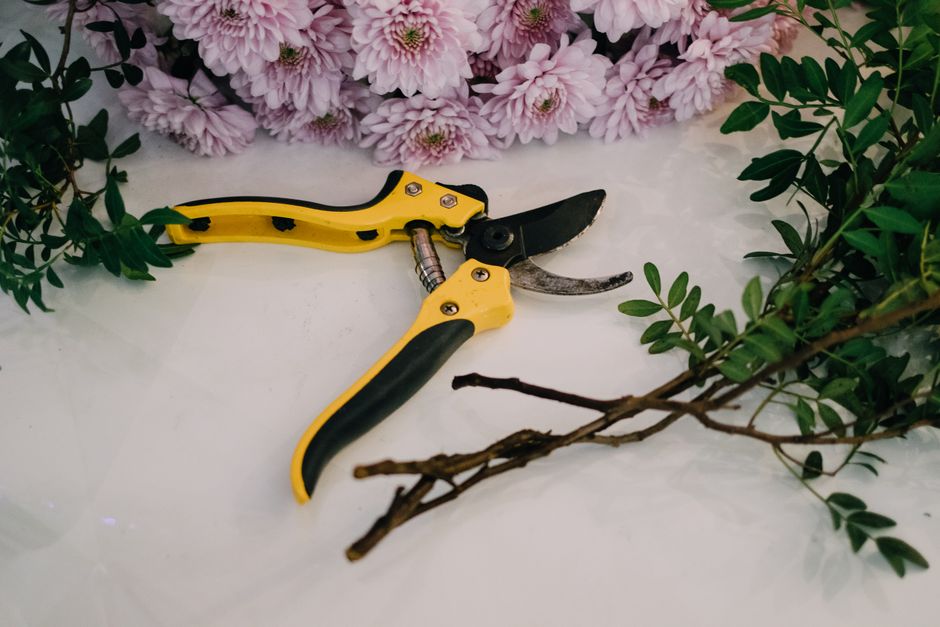
Pruning Chrysanthemums for Longer Indoor Blooms
Discover effective pruning techniques for chrysanthemums to ensure more vibrant and continuous blooms in your indoor garden.
 Plant Care
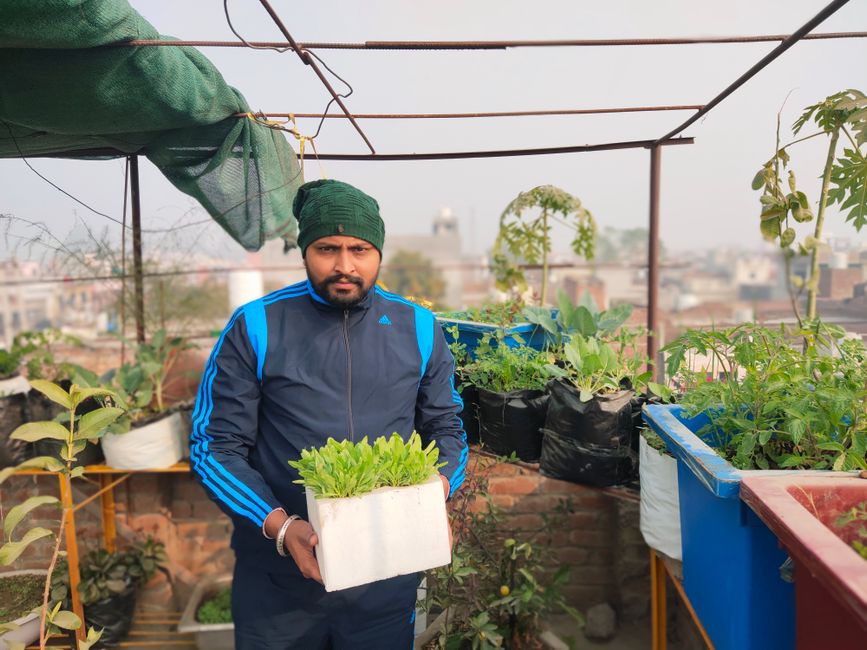
How to Grow Spinach Indoors: Fresh Leaves Year-Round
Learn how to grow fresh spinach indoors all year long, perfect for small spaces and a continuous harvest.
 Plant Care
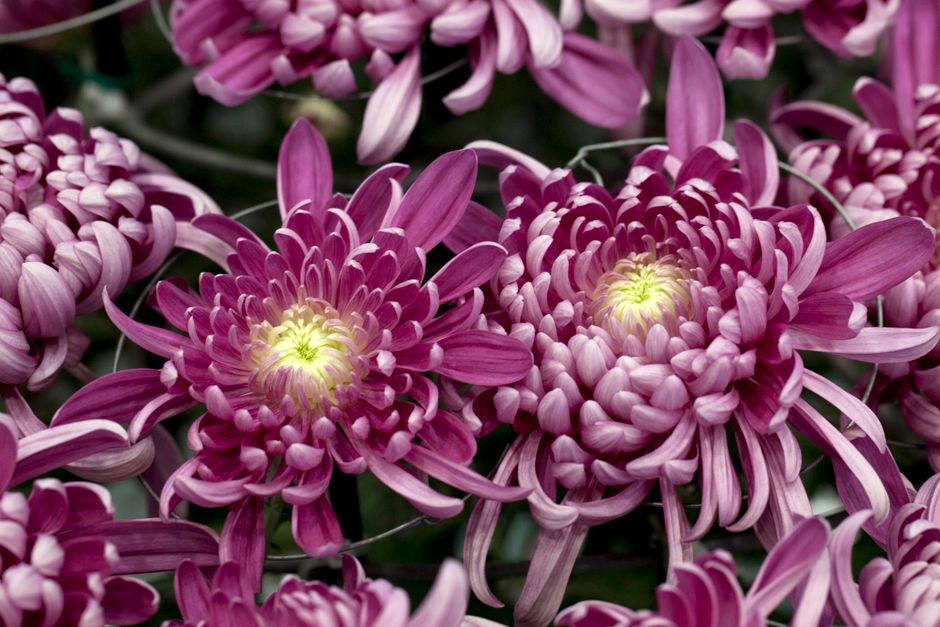
Indoor Chrysanthemum Care: Avoid This Common Mistake
Bringing chrysanthemums indoors for fall decor is popular, but many home growers make a key mistake that causes these vibrant plants to quickly decline.