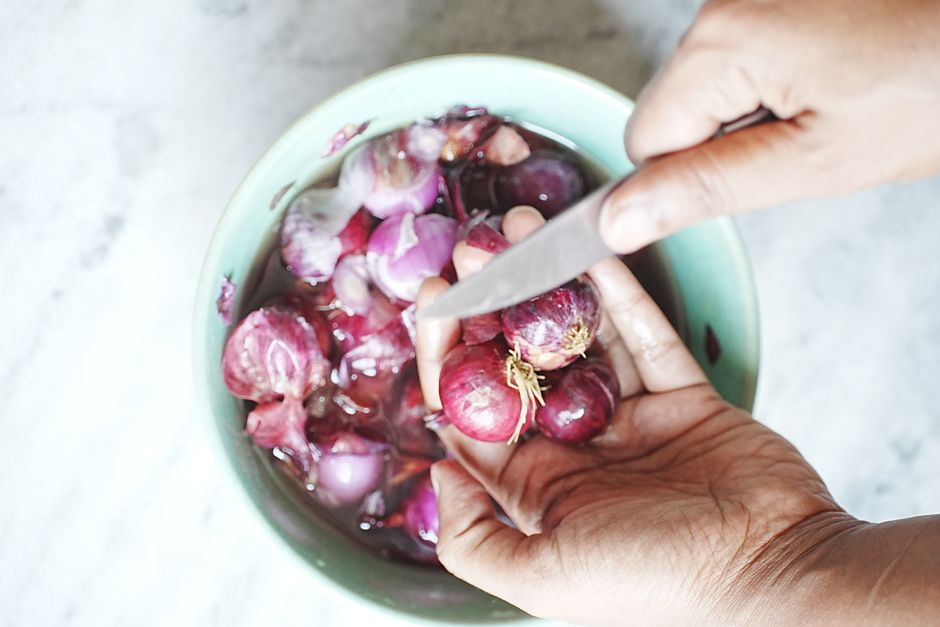
Quick Pickled Red Onions: Easy Indoor Recipe
Tired of plain old cucumbers? There's a whole world of quick pickled delights waiting to brighten up your meals, and homemade red onions are at the top of the list. These vibrant, tangy slices are a game-changer for tacos, salads, sandwiches, and so much more. Quick pickled red onions are thinly sliced red onions marinated briefly in a simple brine of vinegar, water, sugar, and salt, transforming their sharp flavor into a sweet and tangy crunch without the long fermentation of traditional pickling.
Even if your gardening space is limited to a windowsill or a small indoor setup, you can still enjoy the fresh taste of your own harvest. Growing red onions indoors is totally doable, and pickling them yourself is a rewarding way to use your homegrown produce. Let's get started on bringing this zesty condiment to your kitchen.
Can You Grow Red Onions Indoors for Pickling?
Yes, you absolutely can grow red onions indoors, making them a perfect candidate for your pickling projects. While they might not reach the massive size of their outdoor counterparts, you can certainly harvest smaller, delicious onions perfect for slicing and pickling.
Growing onions indoors works best in containers or through hydroponic methods. You can start them from seeds or small sets. If you choose seeds, plant them about half an inch deep in a good quality potting mix or your preferred hydroponic growing medium. Onions need plenty of light, so a good LED grow light will be essential for success. Aim for 12-16 hours of light per day.
Ensure your indoor growing setup has good drainage if using soil. For hydroponics, regularly check your nutrient solution levels and pH. Onions are heavy feeders, so a consistent nutrient supply is important for bulb development. You can learn more about when to change your hydroponic nutrients to keep your plants happy and healthy.
Choosing Red Onion Varieties for Small Spaces
When growing red onions indoors, selecting the right variety makes a big difference. Look for smaller, short-day, or intermediate-day varieties that don't require the very long daylight hours of traditional long-day onions. These types are more adaptable to indoor conditions.
- Red Creole: A popular, smaller red onion that performs well in containers. It produces medium-sized, firm bulbs with good flavor.
- Red Grano: Known for its sweet, mild flavor and globe shape, Red Grano is another excellent choice for container growing. It matures relatively quickly.
- Candy Apple Red: This variety is often praised for its ability to grow in various conditions and produce beautiful, crisp red onions perfect for pickling.
Remember that the size of your container will also influence the final onion size. For best results, use containers that are at least 6-8 inches deep and wide, allowing enough space for the bulbs to swell. Check out our guide on best containers for small indoor gardens for more tips.
What Supplies Do You Need for Quick Pickled Red Onions?
Making quick pickled red onions doesn't require any fancy kitchen gadgets. You likely have most of the items already in your kitchen. The key is fresh ingredients and a few basic tools.
Here's what you'll need:
- Red Onions: One to two medium-sized red onions, preferably fresh from your indoor garden.
- Vinegar: White vinegar or apple cider vinegar are common choices. White vinegar gives a cleaner, sharper pickle, while apple cider vinegar adds a subtle fruity note.
- Water: Filtered water is best for a clean taste.
- Sugar: Granulated sugar helps balance the acidity and gives the onions a nice flavor.
- Salt: Fine sea salt or kosher salt works well. Avoid iodized table salt, which can make the brine cloudy.
- Optional Flavorings: Peppercorns, bay leaf, garlic cloves, or a few sprigs of fresh dill can add extra depth.
- Heat-Proof Jar: A clean pint-sized (or larger) mason jar with a lid is ideal for storage.
- Small Saucepan: For heating the pickling brine.
- Sharp Knife and Cutting Board: For thinly slicing your onions.
Gathering your supplies beforehand makes the process smooth and enjoyable. Remember to wash your hands and all produce thoroughly before preparing food to ensure cleanliness.
How Do You Make Quick Pickled Red Onions?
Making quick pickled red onions is surprisingly simple and fast, requiring only about 15 minutes of active preparation time. The process involves slicing the onions, preparing a hot brine, and combining them in a jar to steep.
Follow these straightforward steps for perfect results:
- Prepare the Onions: Peel your red onions and slice them very thinly. You can use a sharp knife or a mandoline for uniform slices. Thinner slices will soften and pickle faster. Separate the rings and place them into your clean, heat-proof jar.
- Make the Brine: In a small saucepan, combine 1 cup of vinegar (white or apple cider), 1 cup of water, 1 tablespoon of sugar, and 1 teaspoon of salt. If using optional flavorings like peppercorns or garlic, add them to the saucepan now.
- Heat the Brine: Place the saucepan over medium-high heat and bring the mixture to a rolling boil, stirring until the sugar and salt have fully dissolved. This usually takes just a few minutes.
- Pour and Pickle: Carefully pour the hot brine over the sliced red onions in the jar, making sure to fully submerge them. If necessary, gently press the onions down with a spoon to ensure they are covered by the liquid.
- Cool and Store: Allow the jar to cool to room temperature on your counter. Once cool, secure the lid tightly and transfer the pickled red onions to your refrigerator. They will be ready to eat in as little as 30 minutes, but their flavor deepens after a few hours or overnight.
For safety, always handle hot liquids with care. Keep electrical appliances like timers and pumps away from water spills if you are working near your hydroponic setup.
How Long Do Quick Pickled Red Onions Last and How Do You Store Them?
Quick pickled red onions last for several weeks when stored correctly in the refrigerator. Unlike fermented pickles, these are not shelf-stable and require consistent refrigeration to maintain their quality and safety.
After your quick pickled red onions have cooled and been sealed, store the jar in the coldest part of your refrigerator. While they are safe to eat for up to three weeks, their texture and vibrant color are best within the first one to two weeks. Over time, the onions may become softer, and their color might fade slightly, but they will still be delicious.
Always use a clean fork or spoon when removing onions from the jar to prevent introducing contaminants. If you notice any unusual smells, mold, or extreme sliminess, it's best to discard the batch. Properly stored, these quick pickled red onions will be a delightful addition to many meals.
Final Thoughts
Making quick pickled red onions at home is a simple, rewarding way to elevate your cooking and utilize your indoor-grown harvest. This versatile condiment adds a burst of tangy flavor and beautiful color to almost any dish. We hope this guide inspires you to try your hand at this easy recipe and enjoy the fresh, zesty taste.
For more tips on growing your own produce in small spaces, explore our other MicroVeg guides!
Frequently Asked Questions
What kind of vinegar is best for quick pickling?
White vinegar offers a sharp, clean taste, while apple cider vinegar provides a slightly fruitier, milder flavor for quick pickled red onions.
Can I use other types of onions for quick pickling?
Yes, you can quick pickle other onion varieties like shallots or sweet onions, but red onions offer the best color and a balanced sweet-tart flavor.
Do I need to sterilize the jar for quick pickling?
While not strictly necessary for quick pickles that are refrigerated, using a very clean, hot jar can extend their freshness and is good practice.
What can I do with leftover pickling brine?
You can reuse leftover pickling brine to pickle more thinly sliced vegetables like cucumbers or carrots, or use it in salad dressings for a tangy kick.
Explore More DIY Setups Guides
 DIY Setups
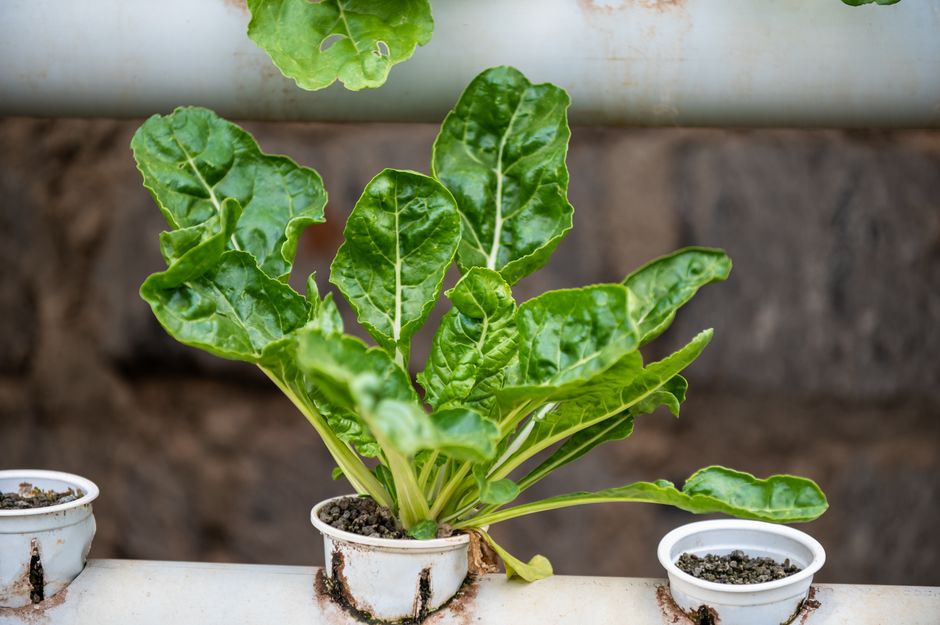
Build Your Vertical Indoor Garden: Small Space, Big Harvests
Learn how to create a vertical indoor garden and grow more fresh food in even the smallest spaces.
 DIY Setups
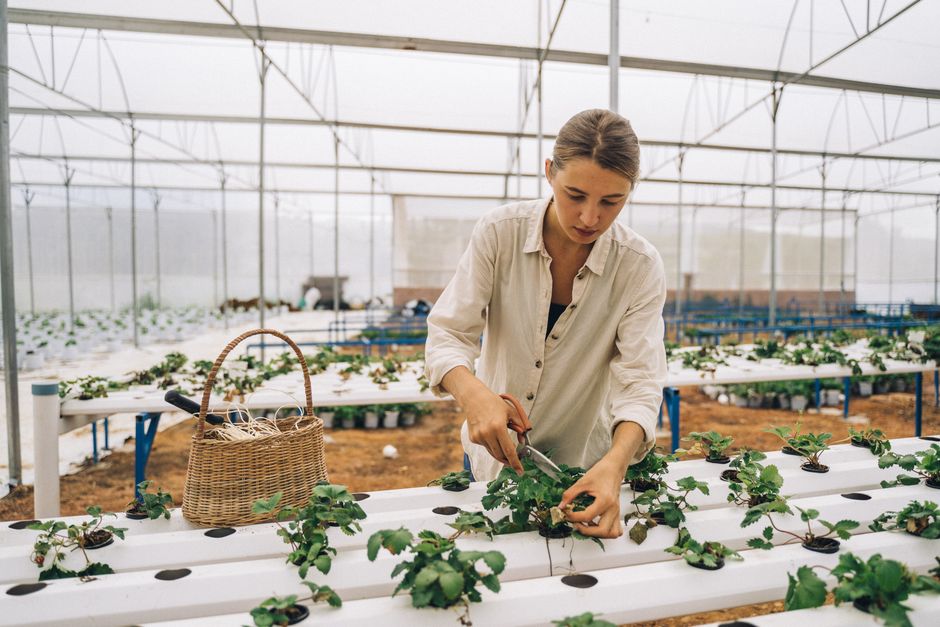
Kratky Hydroponics for Beginners: Easy No-Pump Setup
Discover Kratky hydroponics, a simple, passive method for growing fresh plants indoors without pumps or electricity, perfect for beginners.
 DIY Setups
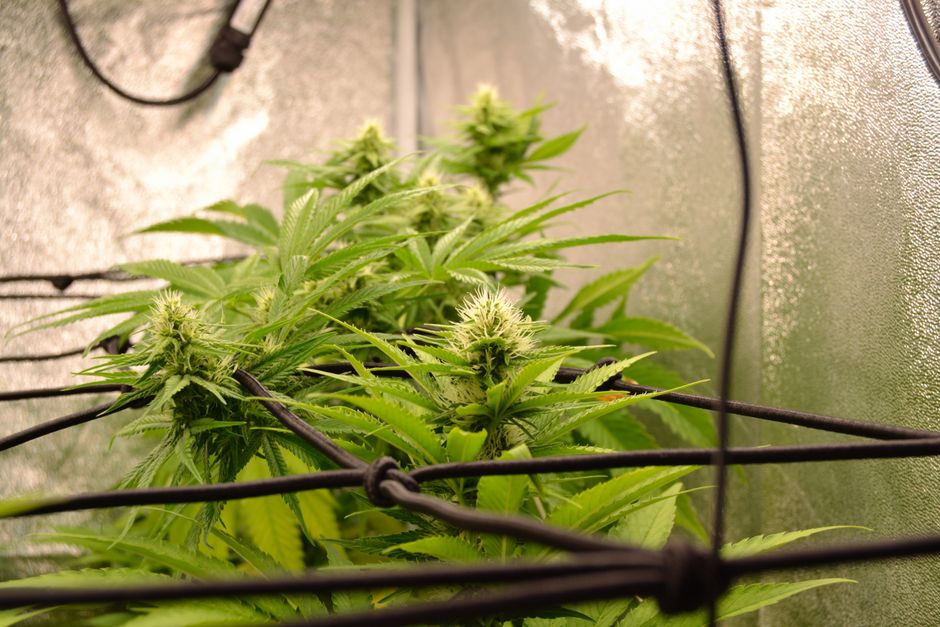
Budget Grow Tent Alternatives: DIY Small Space Solutions
Explore smart, budget-friendly grow tent alternatives for your indoor plants, perfect for small spaces and home growers.