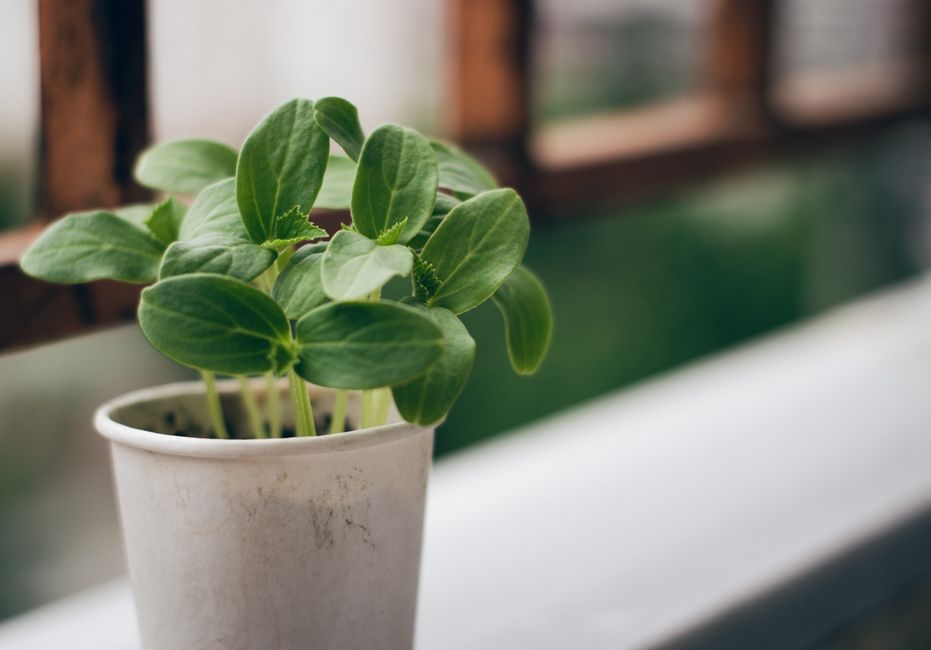
Best Containers for Small Indoor Gardens: MicroVeg Guide
Starting an indoor garden in a small space is exciting, and choosing the best containers for small indoor gardens is your first step to success. The right container provides a healthy home for your plants, fits your space, and matches your growing style. A great container for indoor gardening is one that supports plant health through proper drainage and aeration, fits comfortably into your limited space, and is made from a material suitable for your plant's needs. It should also be easy to manage and clean, making your indoor gardening experience enjoyable and productive.
What Makes a Container "Best" for Small Indoor Gardens?
The "best" container for your small indoor garden effectively supports plant health, fits your available space, and suits your growing method. Key factors include adequate size for root growth, proper drainage to prevent waterlogging, material that suits your plant's needs, and efficiency in a compact area. Considering these elements upfront will save you time and trouble later, ensuring your plants thrive.
What Are the Best Container Materials for Indoor Plants?
The best container material for indoor plants depends on your specific growing needs, whether you're using soil or a hydroponic method, and how often you prefer to water. Different materials offer unique benefits for water retention, aeration, and aesthetic appeal.
Material Considerations for Soil-Based Growing
Plastic pots: These are lightweight, inexpensive, and retain moisture well, making them ideal for plants that prefer consistent dampness or for growers who don't want to water frequently. They come in many sizes and colors, fitting various decor styles.
Terracotta pots: Made from porous clay, terracotta pots allow air and moisture to pass through, which helps prevent overwatering and root rot. They are excellent for plants that prefer drier soil between waterings, but you'll need to water more often.
Ceramic pots: Often glazed, ceramic pots offer excellent moisture retention and are typically heavier and more decorative than plastic. Their lack of porosity means careful watering is essential to avoid soggy soil.
Fabric grow bags: These breathable bags promote air pruning of roots, leading to a healthier root system and preventing plants from becoming root-bound. They offer good drainage and aeration, but they can dry out faster than plastic pots.
Repurposed containers: Items like old food containers, tin cans, or plastic bottles can be excellent budget-friendly options, provided they are clean and safe for plants. Remember to add drainage holes if they don't have them.
Material Considerations for Hydroponic Systems
For hydroponic setups, containers usually need to be opaque to block light and prevent algae growth in the nutrient solution. Common choices include food-grade plastic containers, net pots, or specifically designed hydroponic growing cubes. The material must be inert, meaning it won't leach chemicals into your nutrient solution, which could harm your plants. For desk or counter growing, you might use systems like those discussed in our guide on Smallest Hydroponic Setup: Desk & Counter Growing.
Do Indoor Plant Containers Need Drainage Holes?
Yes, indoor plant containers almost always need drainage holes to prevent water from accumulating around the roots, which can lead to root rot and other issues. Proper drainage allows excess water to escape, ensuring your plant's roots get enough oxygen. If your chosen container lacks drainage holes, you can create them yourself using a drill for plastic or ceramic, or a hammer and nail for tin. If drilling isn't an option, consider using the container as a decorative cachepot, placing a smaller, drain-holed pot inside it, or adding a layer of perlite or clay pebbles at the bottom to create a small reservoir zone beneath the soil.
Can You Use Repurposed Items as Plant Containers Indoors?
Absolutely, repurposing everyday items into plant containers is a fantastic, budget-friendly way to expand your small indoor garden. With a little creativity, you can turn items like plastic bottles, old food containers, coffee cans, or even colanders into unique homes for your plants. Just make sure the items are thoroughly cleaned before use. For plastic containers, ensure they are food-grade if possible, and avoid anything that has held harsh chemicals. Always prioritize safety, especially when drilling or modifying containers, and keep any electrical components of your grow setup, like timers and pumps, away from water spills.
- Plastic soda bottles (cut in half, top inverted for a self-watering wick system)
- Tin cans (drill drainage, paint for aesthetics)
- Take-out containers (good for microgreens or small herbs)
- Old colanders or strainers (natural drainage, may need a liner for soil)
- Mugs or teacups (best used as cachepots, or drill drainage carefully)
Remember, for any DIY project, ensure your setup remains clean to prevent pests and diseases. Our guide on Clean Indoor Growing Setup: 3 Smart Tidy Solutions offers great tips for maintaining hygiene.
Are Self-Watering Planters Good for Small Indoor Spaces?
Self-watering planters are an excellent choice for small indoor spaces, offering convenience and consistent moisture delivery, which can be a huge time-saver for busy growers. These planters typically work by using a reservoir at the bottom and a wicking system to draw water up to the plant's roots as needed. This helps prevent both overwatering and underwatering, making them ideal for plants that prefer consistent moisture or for when you're away for a few days.
How Self-Watering Planters Work
Most self-watering planters use either a capillary wick or a sub-irrigation system. A wick planter has a fabric or cord wick that pulls water from the reservoir into the soil. Sub-irrigation planters have a false bottom that creates a water reservoir, with the soil directly wicking water upwards. Both methods ensure your plant receives water on demand, reducing the guesswork of manual watering. They are particularly beneficial for plants that need consistent moisture, such as many herbs and leafy greens.
Final Thoughts
Choosing the best containers for small indoor gardens is a rewarding part of setting up your green sanctuary. By considering material, drainage, size, and whether a self-watering option fits your lifestyle, you can create a thriving indoor garden that maximizes your small space. Keep experimenting and enjoy the process of growing your own fresh produce right at home. Explore more guides on MicroVeg.it.com for tips on indoor gardening success!
Frequently Asked Questions
How often should I water plants in small containers?
Plants in smaller containers generally need to be watered more frequently than those in larger pots because their soil dries out faster. Check the soil moisture daily by feeling the top inch, and water when it feels dry.
Can I put rocks at the bottom of a container instead of drainage holes?
Adding a layer of rocks at the bottom of a container without drainage holes does not improve drainage and can actually create a "perched water table" where water accumulates just above the rock layer, potentially causing root rot. It's always best to have actual drainage holes.
What's the ideal depth for a microgreens container?
Microgreens have shallow root systems, so a container that is 1 to 2 inches deep is usually sufficient. This depth allows for enough growing medium while being space-efficient.
How do I choose a container size for a growing plant?
Choose a container that is proportionate to your plant's current size, with enough room for its roots to grow without being cramped. As the plant grows, you'll likely need to "pot up" to a slightly larger container, typically 1-2 inches wider than the previous one.
Explore More Plant Care Guides
 Plant Care
Pruning Chrysanthemums for Longer Indoor Blooms
Discover effective pruning techniques for chrysanthemums to ensure more vibrant and continuous blooms in your indoor garden.
 Plant Care
How to Grow Spinach Indoors: Fresh Leaves Year-Round
Learn how to grow fresh spinach indoors all year long, perfect for small spaces and a continuous harvest.
 Plant Care
Indoor Chrysanthemum Care: Avoid This Common Mistake
Bringing chrysanthemums indoors for fall decor is popular, but many home growers make a key mistake that causes these vibrant plants to quickly decline.