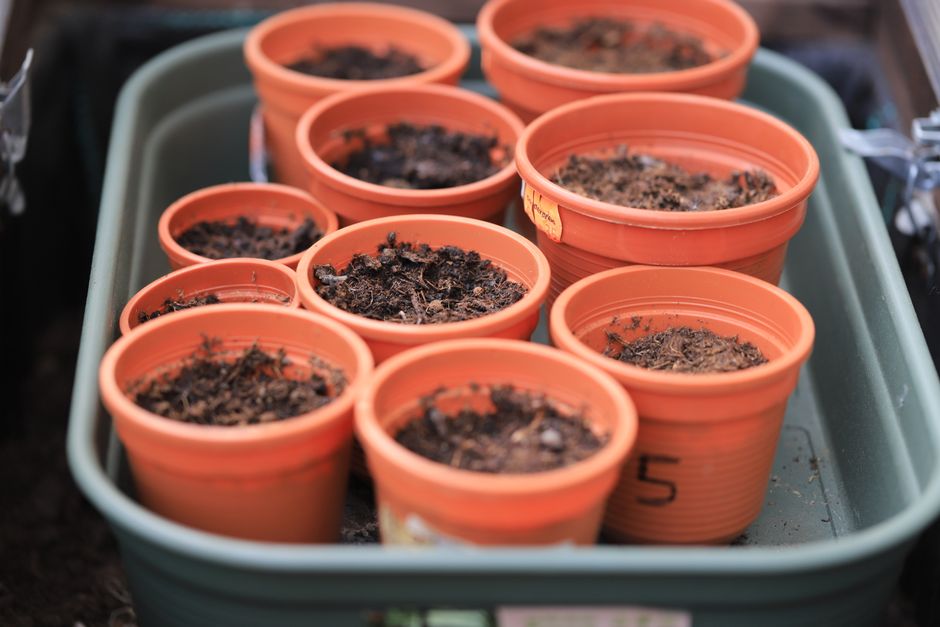
Seed Starter Mix vs Potting Soil: Which Should You Use?
Starting plants indoors from seed is one of the most rewarding parts of gardening. Picking the right growing medium early on determines how quickly your sprouts emerge and build healthy roots. Understanding seed starter mix vs potting soil will save you time and prevent common indoor gardening mistakes.
What is the main difference in seed starter mix vs potting soil?
The main difference between seed starter mix and potting soil comes down to texture, weight, and nutrient content. Seed starting mix is lightweight, fine-textured, and sterile without any added fertilizer. Potting soil is a rich container soil mix containing larger bark chunks, compost, and plant food intended for established plants.
Fresh seeds carry all the nutrients they need inside their outer shell for initial germination. They do not need extra fertilizer until after they sprout and develop true leaves. Fine seed starting mix gives delicate seedling root growth space to expand without hitting dense wood chips or heavy clods. It holds moisture evenly without smothering oxygen around tender young roots.
Standard potting soil is designed to hold upright mature plants in large containers. Because potting soil contains rich organic material and added fertilizer, it stays too heavy and dark for tiny indoor seeds. Using heavy mix right at sowing can trap excess water around small seeds, leading to poor sprout rates or stem rot.
Can you plant seeds directly into potting soil?
Yes, you can plant seeds directly into potting soil, but results depend heavily on the seed size and soil texture. Large seeds with thick shells often sprout fine in potting soil, while small, delicate seeds frequently fail in heavy mixtures.
When you sow tiny seeds into potting soil, the coarse texture can create big barriers. A small sprout can easily get trapped beneath a chunk of wood bark or a dense chunk of peat moss. Furthermore, the added fertilizers found in standard potting soil mixes can easily burn soft new seedling roots, causing yellow tips or stunted growth.
When potting soil works fine for starting seeds
If you prefer not to buy two separate soil bags, you can direct-sow certain vigorous vegetables into light potting soil. These sturdy plants produce thick early shoots that easily push past coarse soil particles.
- Large vegetable seeds like beans, peas, and squash
- Quick-growing seeds planted in small individual pots rather than tight plug trays
- Potting soil that has been sifted through a wire screen to remove large bark pieces
For best results with sifted potting soil, pre-moisten the mix before filling your pots. Water gently so you do not pack the soil down too hard around the seed.
Why using the wrong soil ruins indoor seed germination
Using dense soil or fertilizer-heavy potting soil for germinating seeds indoors creates severe root stress and drainage problems. Dense soil traps standing water around emerging roots, cutting off necessary soil oxygen and encouraging fungal diseases like damping off.
Tender root tips burn when exposed to concentrated nitrogen in heavy soil blends. Once root tips burn, the young plant stops drawing up water, causing it to wilt and die even while the soil remains damp. Lightweight seed starting mix prevents this issue by keeping nutrient levels low and air pockets open.
Watering methods also play a massive role when choosing between seed starter mix vs potting soil. Pouring water from the top onto light seed mix can flush small seeds down into the corners of your tray cells. Practicing how to bottom water seedlings allows water to soak upward naturally, preserving soil structure without disturbing fragile sprouts.
Always practice basic garden safety when setting up your germination space. Keep all grow light cords, power strips, and heating mat connections dry and kept safely away from standing water in seedling trays.
How to make your own seed starter mix at home
You can make your own lightweight seed starting mix at home using simple, inexpensive bulk ingredients. DIY mixes give you complete control over texture, drainage, and moisture retention without breaking your budget.
A basic homemade mixture relies on fine coconut coir or peat moss blended with drainage amendments like perlite and vermiculite. Coconut coir holds water remarkably well while keeping the blend soft and light. Perlite creates loose air spaces so roots can spread, while vermiculite balances moisture near the top surface of the soil cell.
Common DIY soil mixing mistakes
Making your own seedling media is easy, but a few simple errors can hurt your germination rates. Avoid these common mistakes when mixing ingredients at home.
- Adding garden soil from your outdoor yard, which introduces weed seeds and unwanted soil pests
- Mixing in granular synthetic fertilizers that burn delicate tender sprout roots
- Forgetting to moisten the dry mix with warm water before filling seed trays
Always hydrate peat moss or coconut coir thoroughly with clean water before putting it into trays. Dry coir repels surface water, which leaves hidden dry pockets where seeds fail to sprout.
When should you switch from seed starter mix to potting soil?
You should switch your seedlings from seed starter mix to standard potting soil once they grow their first set of true leaves. True leaves appear right after the initial smooth seed leaves and look like miniaturized versions of the mature plant leaves.
Seed starting mix contains no lasting plant nutrients. Once a seedling exhausts the food stored inside its seed, it relies on outside nutrients to build new stems and foliage. Moving seedlings into small pots filled with potting soil gives growing roots access to gentle organic nutrients and stable support.
When potting up your young sprouts, lift them carefully by their leaves or root ball rather than squeezing the fragile main stem. Place them into moist container soil, settle the soil gently around the roots, and return them under your indoor lights.
Final Thoughts
Mastering the choice between seed starter mix vs potting soil gives your indoor crops the strongest start possible. Starting with a fine, clean seed mix protects delicate early roots and ensures high germination rates. Take a look at our other MicroVeg guides to master light placement, soil moisture, and indoor harvesting technique for your small-space garden.
Frequently Asked Questions
Can I mix seed starter mix with potting soil?
Yes, you can mix equal parts seed starter mix and sifted potting soil to create a lightweight blend for bigger seeds. This adds loose aeration while introducing mild organic matter as seedlings mature.
Do seeds need fertilizer while germinating?
No, seeds carry all necessary food supply inside themselves to germinate and sprout early leaves. Adding fertilizer before true leaves appear can burn young roots and stunt initial growth.
Can you re-use seed starter mix for a new batch of seeds?
It is best to avoid re-using seed starter mix because old soil can carry fungal spores or pests from previous crops. Using fresh, sterile mix prevents damping off and root rot in tender new sprouts.
How wet should seed starting mix be when planting?
Seed starting mix should be damp like a wrung-out sponge before you place seeds into tray cells. Soil that is soaking wet restricts root oxygen, while bone-dry soil prevents seeds from absorbing moisture to sprout.
Explore More Plant Care Guides
 Plant Care
Pruning Chrysanthemums for Longer Indoor Blooms
Discover effective pruning techniques for chrysanthemums to ensure more vibrant and continuous blooms in your indoor garden.
 Plant Care
How to Grow Spinach Indoors: Fresh Leaves Year-Round
Learn how to grow fresh spinach indoors all year long, perfect for small spaces and a continuous harvest.
 Plant Care
Indoor Chrysanthemum Care: Avoid This Common Mistake
Bringing chrysanthemums indoors for fall decor is popular, but many home growers make a key mistake that causes these vibrant plants to quickly decline.