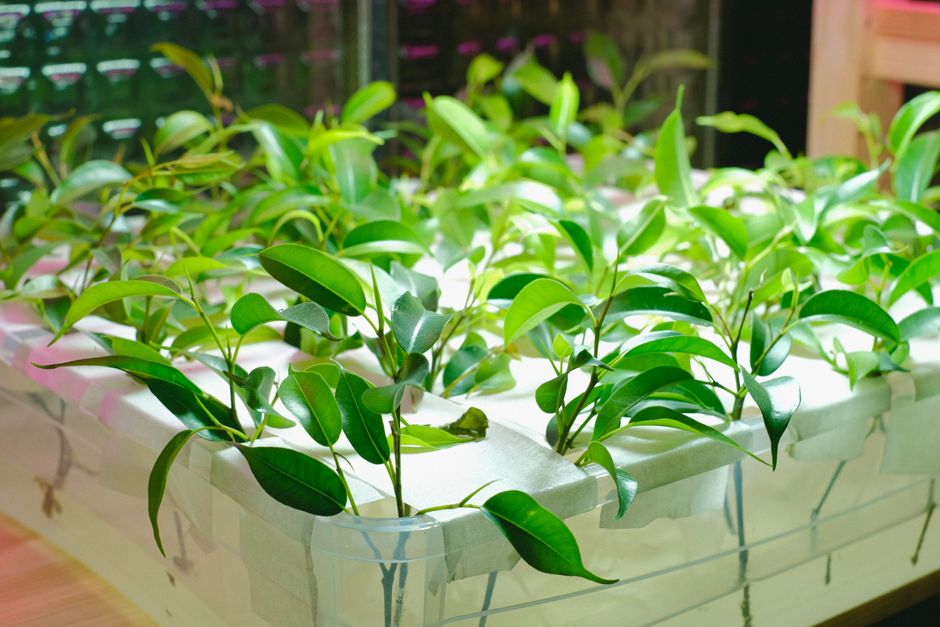
Why Is There Algae in My Hydroponics? Fix It!
Seeing green, slimy growth in your hydroponic system can be a bit alarming, but it's a common issue for many home growers. Algae in hydroponics refers to the growth of simple, chlorophyll-containing organisms, often appearing as green slime, on surfaces exposed to light and nutrient-rich water within your growing system. It's a sign that your system has an imbalance of environmental factors like light exposure, nutrient levels, and water temperature, creating a perfect breeding ground for these unwanted guests.
While often harmless in small amounts, excessive algae can quickly become a problem for your plants. Understanding why it appears and how to tackle it is key to maintaining a healthy and productive indoor garden.
What Exactly Is Algae in Hydroponics?
Algae in hydroponics is a general term for various types of simple, photosynthetic organisms that can grow in your nutrient solution and on system components. It typically looks like a green, slimy film or coating, but can also appear brown, black, or even reddish depending on the specific type of algae.
These organisms are incredibly adaptable. They reproduce quickly and thrive in environments similar to those your plants need to grow. While they might seem like harmless pond scum, their presence can indicate underlying issues in your system.
Why Does Algae Grow in My Hydroponic System?
Algae thrives in hydroponic systems primarily because it finds the perfect conditions for growth: light exposure, readily available plant nutrients, and warm water temperatures. These three factors combined create an ideal environment for algae to proliferate.
Light Exposure
The most common reason for algae growth is light hitting your nutrient solution. Just like your plants, algae needs light to photosynthesize and grow. If your reservoir or nutrient lines are transparent or semi-transparent, light can penetrate and stimulate algae growth.
Even ambient room light or stray light from your grow lights can be enough. Anywhere light meets nutrient solution, algae will try to establish itself.
Nutrient Availability
Your nutrient solution is formulated to feed your plants, but algae loves it too. The dissolved minerals and salts in the water provide all the necessary food for algae to grow rapidly. When there's an abundance of nutrients and light, algae will quickly consume them.
This competition for resources is one of the main ways algae can negatively impact your plants.
Warm Temperatures
Warm water temperatures also contribute significantly to algae growth. Most algae species prefer warmer conditions to multiply. If your nutrient solution gets too warm, it not only stresses your plants but also provides an optimal breeding ground for algae.
Ideal temperatures for hydroponic solutions are generally cooler than room temperature. You can learn more about maintaining optimal conditions in our guide: Ideal Hydroponic Water Temperature for Thriving Plants.
How Can Algae Harm Your Hydroponic Plants?
While a tiny bit of algae might not cause immediate damage, a significant algae bloom can negatively affect your hydroponic plants by competing for vital resources and altering the system's environment. Algae directly competes with your plants for nutrients, oxygen, and even light.
As algae grows, it consumes the carefully balanced nutrients intended for your plants, potentially leading to deficiencies. It also depletes dissolved oxygen in the water, especially at night, which can suffocate plant roots and invite problems like root rot. Furthermore, large algae masses can block light to plant roots, and their decay can alter the pH of your nutrient solution, adding another stressor for your plants.
How to Get Rid of Algae in Your Hydroponic System?
Getting rid of algae in your hydroponic system involves a combination of physical removal and environmental adjustments to make your system less hospitable to it. Acting quickly can prevent it from becoming a major problem.
Manual Cleaning
The first step is always physical removal. Drain your hydroponic reservoir completely. Use a brush, sponge, or cloth to scrub away any visible algae from the inside of your reservoir, nutrient lines, and any other surfaces. You can use a mild solution of hydrogen peroxide (food-grade, diluted) or a weak bleach solution (followed by thorough rinsing) for stubborn algae, but plain water and elbow grease often work well. Always disconnect power to pumps and lights before working with water or cleaning chemicals to ensure your safety.
Gently clean any algae off your plant roots if they are affected. Be careful not to damage the delicate root hairs. A quick rinse under clean, cool water usually suffices.
Block Out Light
Once your system is clean, the most critical step is to prevent light from reaching the nutrient solution. Cover your reservoir with an opaque lid that fits snugly. If you're using transparent tubing, consider replacing it with opaque tubing or wrapping existing tubes with aluminum foil, duct tape, or black plastic sheeting.
Even small cracks or openings can let in enough light for algae to start growing again. Check for any light leaks around net pots or access points.
Adjust Water Temperature
Keeping your nutrient solution cool helps deter algae growth. Aim for a water temperature between 65-72°F (18-22°C) for most plants. If your grow room gets warm, consider using a water chiller or placing frozen water bottles in the reservoir to lower the temperature. Good air circulation around the reservoir can also help prevent it from heating up.
Nutrient Management
Ensure you are following the recommended dosage for your hydroponic nutrients. Overfeeding your plants can lead to excess nutrients in the water, which algae will readily consume. While you shouldn't starve your plants, avoid excessive nutrient concentrations.
Regularly change your nutrient solution according to your plant's needs, typically every one to two weeks. This removes accumulated salts and any algae spores.
Introduce Beneficial Microbes
Some growers use beneficial bacteria or fungi products in their hydroponic systems. These microbes can help compete with algae for nutrients and space, creating a healthier root zone environment. Always choose products specifically designed for hydroponic use and follow the manufacturer's instructions carefully.
Can Algae Be Fully Prevented in Hydroponics?
While completely eliminating all algae spores from your environment is nearly impossible, you can absolutely prevent significant algae growth in your hydroponic system with consistent practices. The key is to address the conditions that allow algae to thrive in the first place.
By keeping light out of your reservoir, maintaining optimal water temperatures, and regularly cleaning and managing your nutrients, you create an environment where algae struggles to establish itself. Think of it as making your system as uninviting as possible for these green invaders. For more detailed prevention strategies, check out our guide on Prevent Algae in Hydroponics: Your Guide to Clean Systems.
Final Thoughts
Finding algae in hydroponics doesn't have to be a major setback for your indoor garden. By understanding its causes and implementing effective cleaning and prevention strategies, you can maintain a clean, healthy system and ensure your plants get all the resources they need. Keep an eye on your system, act quickly when you see green, and enjoy your thriving hydroponic harvests. Explore more MicroVeg guides for all your indoor growing needs!
Frequently Asked Questions
Is green algae in hydroponics harmful to plants?
Yes, excessive green algae can be harmful to hydroponic plants as it competes for nutrients and dissolved oxygen, potentially leading to plant deficiencies and root issues.
Can algae grow on hydroponic roots?
Yes, algae can grow on hydroponic roots if they are exposed to light, turning them green. This can block nutrient uptake and harm the roots over time.
Does hydrogen peroxide kill algae in hydroponics?
Yes, a diluted, food-grade hydrogen peroxide solution can help kill algae and sterilize your hydroponic system during cleaning, but use it cautiously and rinse thoroughly.
How often should I clean my hydroponic system to prevent algae?
Regularly cleaning your hydroponic system during nutrient changes, typically every 1-2 weeks, along with blocking light, is crucial for preventing algae buildup.
Explore More Hydroponics Guides
 Hydroponics
What to Grow in Hydroponics for Beginners
Starting your hydroponic journey? Learn which plants are easiest, fastest, and most rewarding for beginners to grow at home.
 Hydroponics
Mixing Hydroponic Nutrients: Your Guide to Happy Plants
Discover how to properly mix hydroponic nutrients to feed your indoor plants for optimal growth and abundant harvests.
 Hydroponics
How to Start Seeds for Hydroponics: A Beginner's Guide
Discover the easy way to start seeds for your indoor hydroponic garden and enjoy fresh produce year-round.