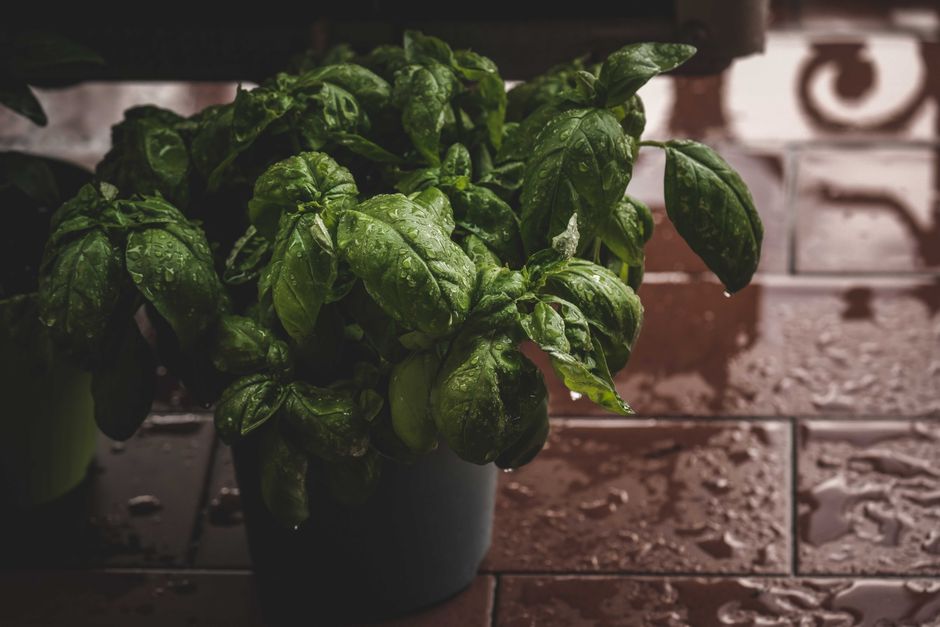
Why Is My Basil Turning Yellow Indoors? Fix It Fast!
There's nothing quite like fresh basil from your indoor garden. It adds amazing flavor to so many dishes. So when you see your vibrant green basil leaves start turning yellow, it can be really frustrating. Yellowing leaves are a common sign that something isn't quite right with your plant's environment or care.
Figuring out exactly why your basil is turning yellow indoors means looking at a few key factors: how you water, the light it receives, its nutrient supply, and even the temperature. Once you pinpoint the cause, you can take simple steps to get your basil back to its healthy, green self.
Why Are Your Basil Leaves Turning Yellow? The Quick Answer
Your basil leaves are likely turning yellow due to improper watering, insufficient or excessive light, a nutrient deficiency, or environmental stress like temperature fluctuations. These are the most frequent culprits for indoor basil plants.
Basil plants are usually pretty resilient, but they do have specific needs. When these needs aren't met, yellowing leaves are often the first visible symptom. Let's break down each potential issue so you can get to the root of the problem and help your basil thrive again.
Are You Overwatering or Underwatering Your Basil?
Watering is often the trickiest part of indoor plant care, and both too much or too little water can cause your basil to turn yellow.
Overwatering Your Basil
If you're overwatering, the soil stays soggy, which suffocates the roots by cutting off their access to oxygen. This leads to root rot, preventing the plant from absorbing water and nutrients efficiently. You'll often see the lower leaves turning yellow first, sometimes becoming soft and limp.
- Check the soil: Stick your finger about an inch or two into the soil. If it feels wet, don't water yet.
- Drainage is key: Always use pots with drainage holes. If your pot doesn't have them, repot your basil into one that does.
- Water less frequently: Let the top inch or two of soil dry out completely before watering again.
For hydroponic basil, overwatering isn't typically an issue in the same way. However, low oxygen levels in the nutrient reservoir can mimic overwatering symptoms. Ensure your air pump and airstone are working correctly to provide plenty of oxygen to the roots.
Underwatering Your Basil
On the flip side, basil needs consistent moisture to grow well. If the soil gets too dry, your basil leaves will start to wilt dramatically, often turning yellow and crispy. The entire plant might look droopy and stressed.
- Feel the soil: If the soil is bone dry and pulling away from the sides of the pot, your basil is thirsty.
- Water thoroughly: When you do water, soak the soil until water drains out of the bottom. This ensures the entire root ball gets hydrated.
- Establish a routine: Check your basil daily, especially during warm weather or if it's under strong grow lights.
For hydroponic systems, monitor your water levels regularly. If the water level drops too low, roots can dry out, leading to stress and yellowing. Make sure your system is topped off with fresh, balanced nutrient solution.
Is Your Basil Getting the Right Light?
Light is essential for photosynthesis, the process by which plants make their food. Both too little and too much light can cause your basil to turn yellow.
Too Little Light
Basil loves bright light. If your indoor basil isn't getting enough, its leaves might turn pale green or yellow, especially the lower ones. The plant might also become leggy, stretching out as if searching for more light.
Aim for at least 6-8 hours of bright, direct light each day. If natural light isn't enough, especially during shorter winter days, consider supplementing with a grow light. You can learn more about setting up your lights with our guide on Set Your LED Grow Light Distance for Optimal Growth.
Too Much Light
While basil loves light, intense, direct grow lights positioned too close can also cause problems. Leaves can develop yellowish or white patches, look bleached, or even become crispy and scorched. This is like getting a sunburn for your plant.
If you suspect too much light, try moving your plant further away from the light source or reducing the duration your grow lights are on. Watch for signs of recovery to find the sweet spot.
Could Nutrient Deficiencies Be the Problem?
Just like us, plants need a balanced diet. If your basil isn't getting the right nutrients, its leaves can turn yellow. Nutrient deficiencies are a common reason for yellowing, especially in hydroponic setups where plants rely entirely on your nutrient solution.
Nitrogen deficiency is the most common cause of overall yellowing in basil. Nitrogen is crucial for producing chlorophyll, the green pigment in leaves. When nitrogen is lacking, older leaves typically turn yellow first. Other deficiencies, like magnesium or iron, can also cause yellowing, often starting between the veins of newer leaves.
To address nutrient issues:
- Use a balanced fertilizer: For soil-grown basil, use a good quality liquid fertilizer specifically for herbs or leafy greens. Follow the dosage instructions on the bottle carefully.
- Check your hydroponic solution: Ensure your hydroponic nutrient solution is fresh and formulated for leafy greens. Always follow the manufacturer's recommendations for mixing and changing your reservoir.
- Monitor pH: In hydroponics, pH levels affect nutrient availability. If the pH is too high or too low, your basil might not be able to absorb nutrients even if they are present.
Always follow safety instructions when mixing nutrients, wearing gloves if recommended, and keeping them out of reach of children and pets. For more help with your hydroponic feeding, check out our guide on Mixing Hydroponic Nutrients: Your Guide to Happy Plants.
What About Temperature, Pests, or Disease?
Sometimes, environmental factors or unwelcome guests can cause your basil to turn yellow.
Temperature Stress
Basil is a warm-weather plant and doesn't like cold temperatures. If your indoor basil is near a drafty window or an air conditioner vent, leaves can turn yellow, wilt, or develop dark spots. Keep your basil in a stable environment, ideally between 65-75°F (18-24°C).
Pests
Tiny pests like spider mites, aphids, or whiteflies can stress your basil, leading to yellowing leaves, especially if they suck sap from the plant. Inspect your plant regularly, checking the undersides of leaves for any signs of insects. If you find pests, address them quickly with appropriate organic pest control methods.
Disease
While less common indoors, fungal diseases can also cause yellowing and spotting on basil leaves. Good air circulation around your plant can help prevent many fungal issues. Remove any affected leaves immediately to stop the spread.
Final Thoughts
Seeing your indoor basil turning yellow can be disheartening, but with a bit of detective work, you can usually identify and fix the problem. By paying attention to proper watering, adequate light, balanced nutrients, and stable temperatures, you'll be well on your way to a lush, green basil plant again. Keep growing fresh herbs with MicroVeg's other helpful guides!
Frequently Asked Questions
Can yellow basil leaves turn green again?
Once a basil leaf turns completely yellow, it typically will not turn green again. However, addressing the underlying issue will ensure new growth comes in healthy and green.
How often should I water indoor basil?
Water indoor basil when the top inch or two of soil feels dry to the touch, usually every 1-3 days depending on light, temperature, and pot size.
What nutrients does basil need to stay green?
Basil needs a balanced nutrient profile, with nitrogen being particularly important for green, leafy growth. Magnesium and iron are also key for preventing yellowing.
Should I remove yellow basil leaves?
Yes, it's generally a good idea to remove yellowed or dying basil leaves. This helps the plant focus its energy on healthy new growth and can improve air circulation.
Explore More Plant Care Guides
 Plant Care
Grow Pumpkins Indoors: Your Guide to Sweet Harvests
Discover how to successfully grow delicious pumpkins right inside your home or on your balcony, perfect for fresh harvests and small spaces.
 Plant Care
Crown Imperial Indoors: Can This Showstopper Thrive?
Learn if the magnificent Crown Imperial can truly thrive in your indoor container garden or on your balcony, and what challenges you might face.
 Plant Care
Christmas Cactus Bloom: 3 Secrets for Indoor Growers
Learn the simple, practical secrets to make your Christmas cactus bloom beautifully indoors, turning your home into a festive display.