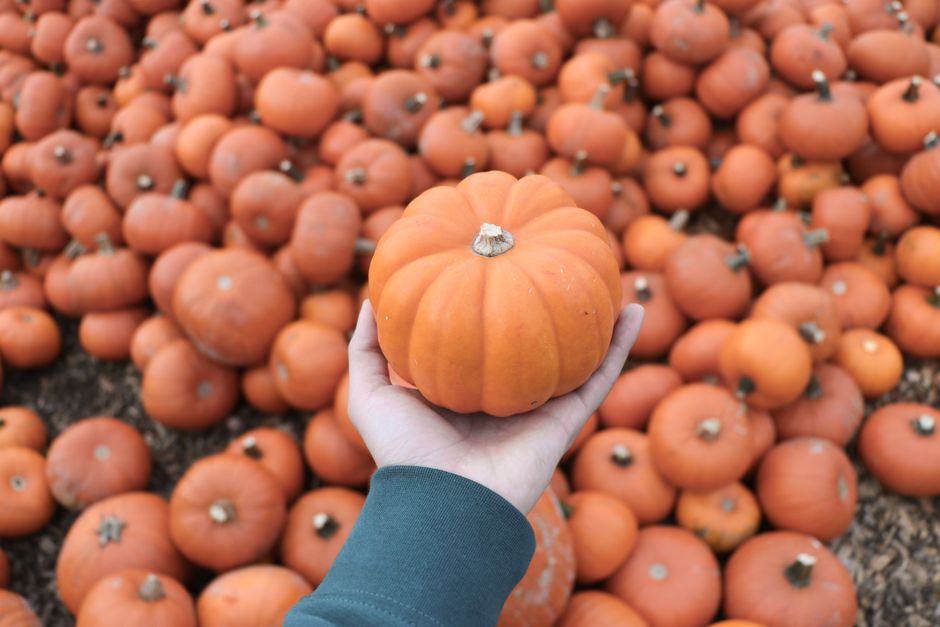
Grow Pumpkins Indoors: Your Guide to Sweet Harvests
Imagine harvesting your own sweet, perfectly ripe pumpkin without ever stepping foot outside. For home growers with limited outdoor space, the idea of growing pumpkins indoors might seem like a grand challenge, but it is absolutely achievable. With the right techniques and a little attention, you can cultivate these cheerful squash plants right inside your home or on your balcony.
Growing pumpkins indoors means cultivating compact pumpkin varieties in containers or hydroponic systems within controlled environments like your home, apartment, or even a mini greenhouse. This approach lets you enjoy fresh pumpkin for cooking, baking, or decoration, even when outdoor space is at a premium.
Can You Really Grow Pumpkins Indoors for Fresh Harvests?
Yes, you absolutely can grow pumpkins indoors, especially smaller, compact varieties, with the right setup and care. It requires attention to light, space, and pollination, but it is a rewarding project for home growers looking to expand their edible garden.
While traditional, large pumpkin varieties are clearly not suited for indoor environments, many smaller, bush-type pumpkins thrive in containers. The key is to select appropriate varieties, provide ample light, manage their vining habits, and ensure successful pollination. The satisfaction of harvesting your own homegrown pumpkin is immense, making the effort well worth it.
Indoor cultivation offers several advantages. You can protect your plants from harsh weather, pests, and diseases that might plague an outdoor garden. Plus, it extends your growing season, allowing you to enjoy fresh pumpkin when it is out of season outdoors.
Choosing the Best Pumpkin Varieties for Indoor Growing
Selecting the right pumpkin variety is key to successful indoor cultivation. Look for varieties specifically bred for smaller spaces, often labeled as "mini," "pie," "bush," or "dwarf." These types produce compact plants with shorter vines or a more upright, bushy growth habit.
Avoid any varieties that promise giant carving pumpkins, as these require vast amounts of space and tend to produce extremely long vines. Instead, focus on those that produce smaller fruit, perfect for personal use in cooking or for decorative purposes.
- Jack Be Little: A popular choice, producing tiny, orange pumpkins perfect for individual servings or decoration. The vines are relatively short.
- Wee-B-Little: Similar to Jack Be Little, these produce very small, bright orange pumpkins on compact plants.
- Baby Boo: This variety yields adorable white mini pumpkins, excellent for unique displays or small-batch cooking.
- Small Sugar (or New England Pie): While slightly larger than the "mini" types, these are still manageable in large containers and produce excellent pie pumpkins. Look for bush varieties if possible.
- Bushkin: As the name suggests, this is a bush variety that produces medium-sized pie pumpkins without extensive vining.
Always check the seed packet for information on plant size, vine length, and maturity time before making your selection. Opting for varieties that mature quickly can also be beneficial in a controlled indoor environment.
Setting Up Your Indoor Pumpkin Patch: Containers or Hydroponics?
Both container gardening and hydroponics offer excellent ways to grow pumpkins indoors. Your choice depends on your space, experience, and desired level of control over the growing environment.
Each method has its own benefits and considerations. For those new to indoor gardening, containers might be a simpler starting point. However, hydroponics can offer faster growth and more efficient resource use for experienced growers.
Growing Pumpkins in Containers
Container growing is a straightforward and accessible method for growing pumpkins indoors. It allows you to move plants if needed and control their soil environment precisely.
Start with a large container, at least 15-20 gallons in volume, to give the pumpkin roots plenty of room to spread. Ensure your chosen pot has excellent drainage holes to prevent waterlogging. Fill your container with a high-quality, well-draining potting mix. A good mix will support healthy root development and provide initial nutrients. For vining varieties, you will need a sturdy trellis or stakes to support the growing plant and its heavy fruit. Install this support system when you plant to avoid disturbing roots later. Water your container pumpkins consistently, keeping the soil moist but not soggy. A DIY self-watering planter can be a great way to maintain consistent moisture with less effort.
Hydroponic Pumpkin Cultivation
Hydroponics offers a soilless method for growing pumpkins, which can lead to faster growth and higher yields if managed correctly. Deep Water Culture (DWC) or a simplified Nutrient Film Technique (NFT) can work for compact pumpkin varieties.
For DWC, you will need a reservoir, an air pump, air stone, and net pots. The plant roots will sit in a nutrient-rich water solution. For NFT, a shallow stream of nutrient solution flows over the roots. Use a hydroponic nutrient solution specifically formulated for fruiting plants, following the manufacturer's dosage instructions. Monitor the pH and EC (electrical conductivity) of your nutrient solution regularly to ensure optimal nutrient uptake. Keep your electrical timers and pumps safely away from any potential water spills. Regularly change your reservoir solution to prevent nutrient imbalances and the buildup of pathogens. Our guide on Prevent Algae in Hydroponics offers helpful tips for maintaining a clean system.
Essential Care for Thriving Indoor Pumpkin Plants
Proper care, including adequate light, successful pollination, and consistent nutrition, ensures your indoor pumpkin plants produce a bountiful harvest. Neglecting any of these crucial elements can lead to a disappointing yield.
Indoor environments require a bit more attention from the grower compared to outdoor settings, but the control you gain means you can optimize conditions for success.
Light Requirements
Pumpkins are sun-loving plants and need a lot of light, even indoors. Provide your indoor pumpkin plants with 12-16 hours of intense light daily. Natural sunlight from a window is usually not enough for fruiting plants.
High-quality LED grow lights are crucial for successful indoor pumpkin cultivation. Position your lights according to the manufacturer's recommendations for fruiting plants, ensuring the entire plant receives even illumination. For tips on setting up your lighting, check out our guide on how to Mount Grow Lights in Small Spaces.
Pollination for Fruit Set
Manual pollination is almost always necessary for indoor pumpkins since natural pollinators like bees are absent. Pumpkins have separate male and female flowers, and you will need to transfer pollen between them.
Identify male flowers, which typically have a long, thin stem and pollen-filled anthers in the center. Female flowers have a small, swollen base behind the petals, which is actually an immature pumpkin. Using a small, soft paintbrush or cotton swab, gently collect pollen from the male flower and then dab it onto the stigma (the central part) of the female flower. Do this daily as new flowers open to ensure good fruit set.
Watering and Nutrients
Consistent watering is essential for indoor pumpkins, whether in containers or hydroponics. Keep container soil consistently moist but never waterlogged. For hydroponic systems, monitor your nutrient solution levels daily and replenish as needed.
For container plants, feed with a balanced liquid fertilizer formulated for fruiting vegetables, following the product's instructions. In hydroponics, ensure your nutrient solution provides all macro and micronutrients required for flowering and fruiting stages. Adjust nutrient levels as the plant grows and begins to set fruit.
Pest and Disease Management
Indoor growing offers better control over pests and diseases, but regular inspection is still vital. Check your plants frequently for signs of common indoor pests like spider mites, aphids, or whiteflies. Address any infestations promptly with organic pest control methods or by carefully washing the leaves.
Good air circulation is important to prevent fungal diseases, especially in humid indoor environments. Pruning excess leaves can help improve airflow around the plant. If using a small grow tent or indoor mini greenhouse, ensure adequate ventilation.
Final Thoughts
Growing pumpkins indoors is a rewarding adventure that brings fresh, homegrown produce right to your kitchen, even if you are short on outdoor space. With careful variety selection, proper setup, and consistent care, you can enjoy the satisfaction of harvesting your own mini pumpkins for all your culinary and decorative needs. Keep exploring MicroVeg guides for more innovative ways to grow amazing plants at home!
Frequently Asked Questions
What size container do I need for indoor pumpkins?
You should use a container at least 15-20 gallons in volume to give the pumpkin roots enough space to grow and support the plant.
How many hours of light do indoor pumpkins need?
Indoor pumpkin plants require a significant amount of light, typically 12-16 hours per day, best provided by high-quality LED grow lights.
Do I need to hand-pollinate indoor pumpkin flowers?
Yes, manual pollination is almost always necessary for indoor pumpkins because natural pollinators like bees are not present in your home.
Can I grow large carving pumpkins indoors?
No, large carving pumpkins are not suitable for indoor growing due to their extensive vining habits and the significant space requirements for their large fruit.
Explore More Plant Care Guides
 Plant Care
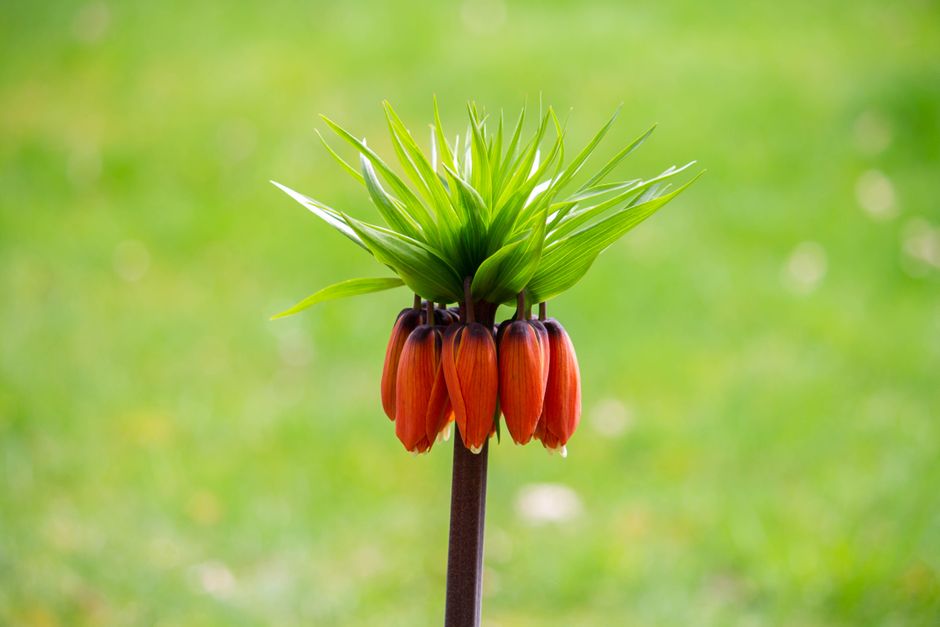
Crown Imperial Indoors: Can This Showstopper Thrive?
Learn if the magnificent Crown Imperial can truly thrive in your indoor container garden or on your balcony, and what challenges you might face.
 Plant Care
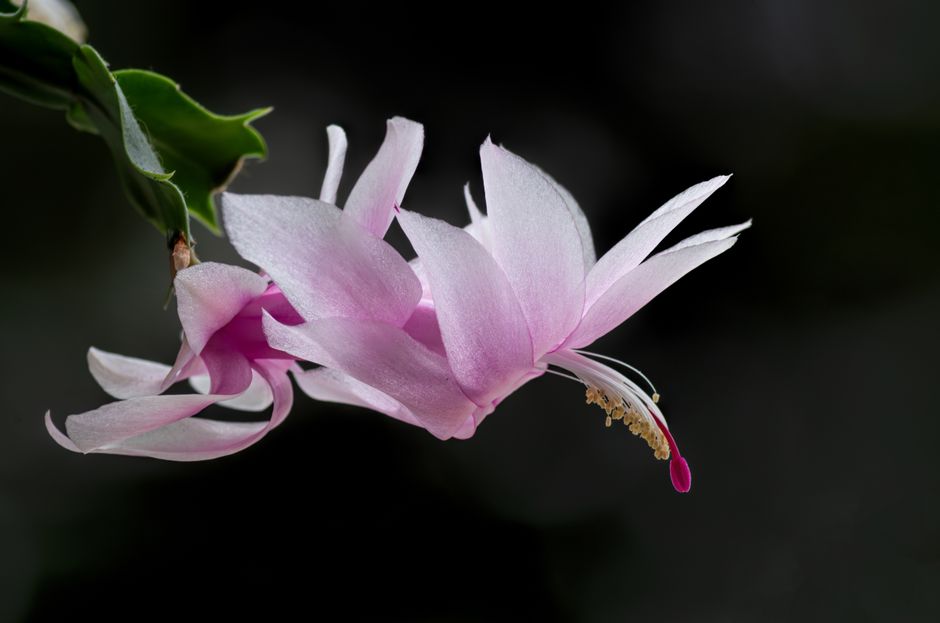
Christmas Cactus Bloom: 3 Secrets for Indoor Growers
Learn the simple, practical secrets to make your Christmas cactus bloom beautifully indoors, turning your home into a festive display.
 Plant Care
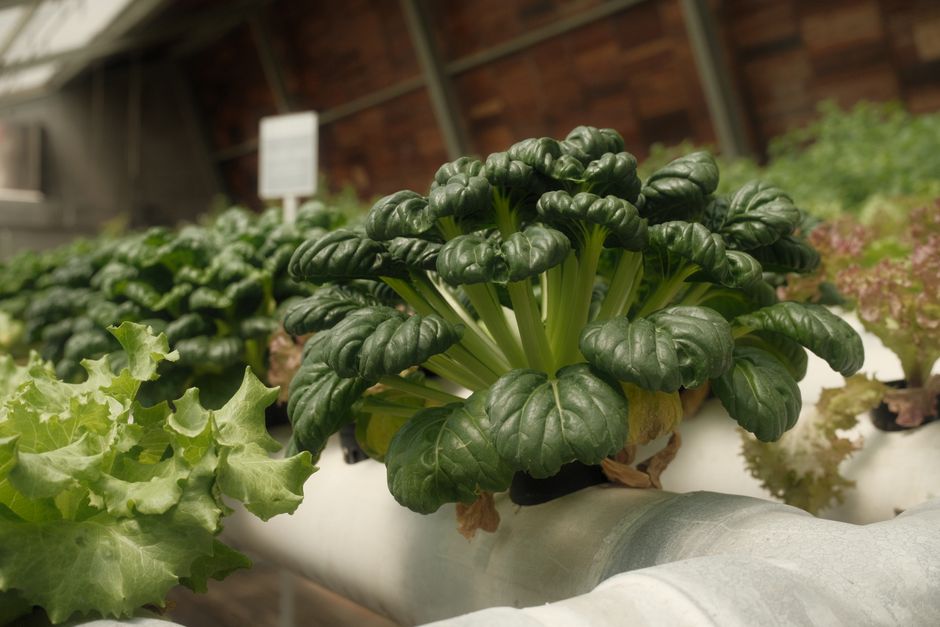
Prevent Algae in Hydroponics: Your Guide to Clean Systems
Discover simple, effective strategies to prevent algae in hydroponics and keep your indoor gardening system clean and your plants thriving.