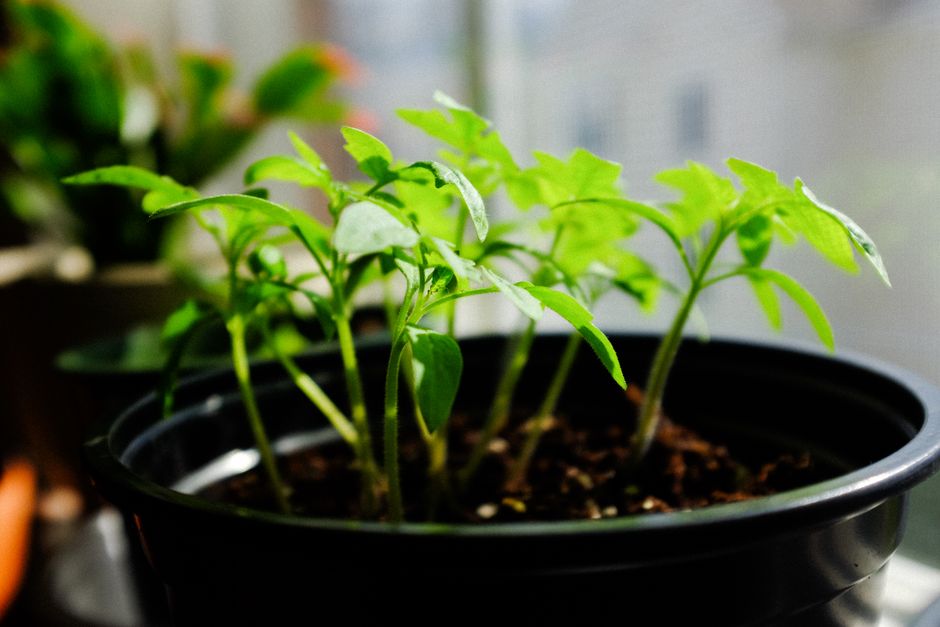
Why Are Your Seedlings Leggy Under Grow Lights? Fix It Now!
Leggy seedlings are a common problem for home growers. They look thin, weak, and stretched out, often flopping over instead of growing strong. This leggy growth usually means your young plants are desperately searching for more light. Understanding why your seedlings get leggy under grow lights is the first step to fixing the issue and ensuring your plants thrive from the start.
What Does "Leggy" Mean for Seedlings?
Leggy seedlings are characterized by unusually long, thin stems and small leaves. This happens when plants are not getting enough light, causing them to stretch excessively in search of a brighter source. Instead of putting energy into developing strong stems and a robust root system, they prioritize vertical growth, resulting in weak, elongated plants that often struggle to support themselves.
You will notice the space between leaf nodes, called internodes, is much longer than it should be. Healthy seedlings have compact growth with leaves close together. Leggy plants look fragile and are more prone to breaking, making them less likely to mature into productive plants.
Why Do Seedlings Get Leggy Under Grow Lights?
Seedlings primarily become leggy under grow lights because they are not receiving adequate light intensity or duration. Plants need specific light conditions to photosynthesize effectively and develop properly. When these conditions are not met, their natural instinct is to reach for a perceived light source, leading to leggy growth.
Several factors can contribute to your seedlings stretching out, even when they are under what you believe to be sufficient lighting. It is important to consider all aspects of your grow light setup to identify the root cause.
Not Enough Light Intensity
The most common reason for leggy seedlings is insufficient light intensity. While your grow light might be on, it might not be strong enough for the specific needs of your seedlings. Different plants have different light requirements, and young seedlings need a good amount of light to grow stocky and strong.
If your light is too dim, your plants will sense this and start stretching upwards, trying to get closer to what little light they perceive. This is especially true if you are using a light not specifically designed for plant growth, or if it is an older LED that has degraded over time. Always check the manufacturer's specifications for recommended light output for seedlings.
Grow Lights Are Too Far Away
Even a powerful grow light can cause leggy seedlings if it is positioned too far from your plants. Light intensity decreases significantly with distance, following the inverse square law. This means that if you double the distance from the light, the intensity your plants receive drops to a quarter of its original strength.
Seedlings need their light source to be relatively close to encourage compact growth. If the light is too high, they will stretch to reach it. Conversely, placing the light too close can cause light burn, so finding the right balance is key. Most grow light manufacturers provide a recommended hanging height for different growth stages, including seedlings.
Lights Are On For Too Long or Not Long Enough
An improper grow light schedule can also contribute to leggy growth. While insufficient light duration (not enough hours of light) can certainly cause stretching, having lights on for excessively long periods can also be detrimental. Plants need a dark period to carry out essential metabolic processes.
Most seedlings thrive on a schedule of 12-16 hours of light per day, followed by 8-12 hours of darkness. Too few hours of light will make them stretch. Too many hours, especially with inadequate intensity, can stress the plants and disrupt their natural growth cycles, potentially leading to weak stems and other issues. Always use a timer to ensure consistent light and dark periods.
How Can I Fix Leggy Seedlings?
You can often save leggy seedlings by adjusting your growing conditions to provide more appropriate light. The sooner you address the issue, the better your chances are of helping your plants recover and grow into healthy specimens.
-
Lower Your Grow Light: The quickest fix for leggy seedlings is to move your grow light closer to the plants. Start by carefully lowering the light a few inches at a time, observing your seedlings for signs of improvement or stress. Consult your light's manual for recommended seedling distances.
-
Increase Light Intensity: If lowering the light isn't enough, or if your light is already at its recommended height, you might need to increase its intensity. Some grow lights have dimmable features; otherwise, you might need a stronger light source. For a general indoor setup, ensure your light provides adequate PAR (Photosynthetically Active Radiation) for seedlings.
-
Adjust Light Schedule: Ensure your seedlings are getting 12-16 hours of light daily, followed by a consistent dark period. Use a reliable timer to manage your light cycle. Always keep electrical components, like your grow light power cords and timers, away from water spills to prevent electrical hazards.
-
Provide Support: For severely leggy seedlings that are flopping over, gently add a small support, like a toothpick or a thin stick, next to the stem. This will help them stand upright while they strengthen. You can also carefully mound soil around the base of the stem if they are in soil, burying part of the leggy stem.
-
Improve Air Circulation: Gentle air movement from a small fan can help strengthen seedling stems. The slight resistance makes the stems thicker and more robust, reducing the chances of them becoming weak and floppy. Make sure the fan isn't blowing directly onto the seedlings too harshly.
How Can I Prevent Leggy Seedlings in the Future?
Preventing leggy seedlings is much easier than trying to fix them once they have stretched. By setting up your growing environment correctly from the start, you can ensure your plants develop strong, healthy stems and leaves.
Here are key strategies:
-
Choose the Right Grow Light: Invest in a quality LED grow light suitable for seedlings and your specific growing area. Look for lights that offer a full spectrum, which mimics natural sunlight and supports all stages of plant growth. You can learn more about choosing your hydroponic equipment for beginners, including lighting.
-
Position Lights Correctly: Start with your grow light at the manufacturer-recommended distance for seedlings, typically closer than for mature plants. Monitor your seedlings daily and adjust the height as they grow, always keeping the light a consistent distance away.
-
Maintain a Consistent Light Schedule: Use an automatic timer to provide 12-16 hours of light and 8-12 hours of darkness every day. Consistency is crucial for healthy plant development.
-
Ensure Proper Germination: Make sure your seeds are germinating in a warm, moist environment. Once they sprout, immediately introduce them to adequate light. Delaying light exposure after germination is a common cause of initial legginess.
-
Provide Gentle Airflow: A small oscillating fan set to a low speed can help mimic natural wind, strengthening seedling stems. This is a simple yet effective way to encourage sturdy growth.
Final Thoughts
Dealing with leggy seedlings can be frustrating, but it is a very common issue with straightforward solutions. By paying close attention to your grow light's distance, intensity, and schedule, you can prevent and fix leggy growth, ensuring your young plants develop into robust, productive adults. Keep learning and growing!
Frequently Asked Questions
Can leggy seedlings recover?
Yes, leggy seedlings can often recover if the light conditions are corrected quickly. Adjusting light distance, intensity, and schedule can help them strengthen, though they may never be as sturdy as non-leggy plants.
What happens if leggy seedlings are not fixed?
If leggy seedlings are not fixed, their weak, stretched stems will struggle to support the plant as it grows, leading to plants that easily break, fall over, and produce lower yields or fail to thrive.
Do leggy seedlings produce less?
Yes, leggy seedlings generally produce less because their initial weak growth inhibits overall plant development. They have less energy for fruit or vegetable production and are more susceptible to stress.
Can sunlight cause leggy seedlings?
Yes, sunlight can cause leggy seedlings if the light is insufficient, such as through a window that blocks too much light or if the plant isn't getting enough direct sun exposure throughout the day.
Explore More Plant Care Guides
 Plant Care
Pruning Chrysanthemums for Longer Indoor Blooms
Discover effective pruning techniques for chrysanthemums to ensure more vibrant and continuous blooms in your indoor garden.
 Plant Care
How to Grow Spinach Indoors: Fresh Leaves Year-Round
Learn how to grow fresh spinach indoors all year long, perfect for small spaces and a continuous harvest.
 Plant Care
Indoor Chrysanthemum Care: Avoid This Common Mistake
Bringing chrysanthemums indoors for fall decor is popular, but many home growers make a key mistake that causes these vibrant plants to quickly decline.