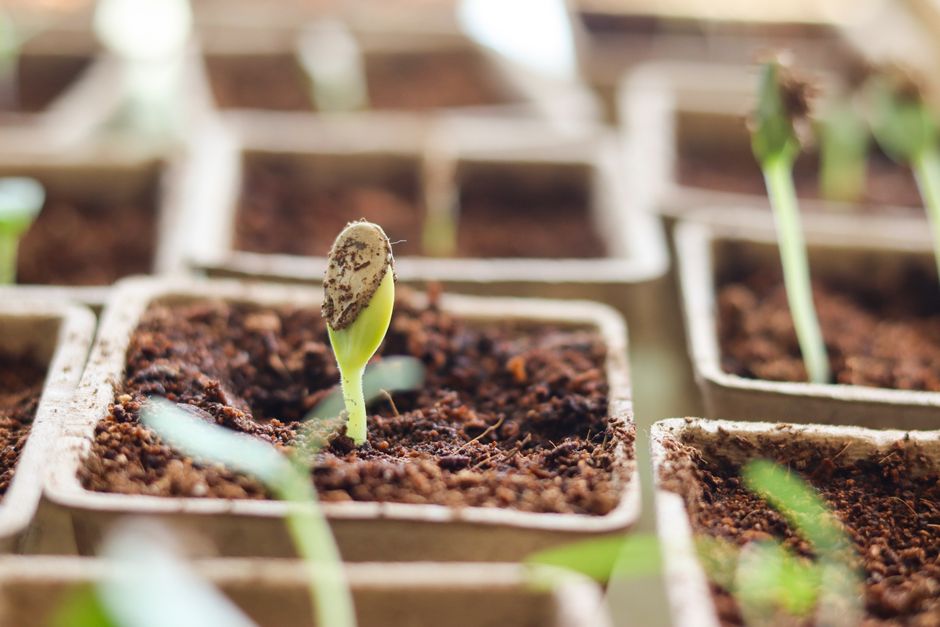
Why Won't My Seeds Germinate? Fix Common Issues
"Why won't my seeds germinate?" It's a question every home grower asks at some point. That hopeful moment of planting tiny seeds, only to be met with empty trays, can be incredibly frustrating. Seed germination is the process where a dormant seed sprouts and grows into a seedling, but it requires the right conditions to kickstart this new life. If your seeds are refusing to sprout, it's often due to a few common issues that are easy to troubleshoot and fix.
Are Your Seeds Still Viable?
Seed viability, or the ability of a seed to germinate, is the most common reason why won't your seeds germinate. Seeds are living things, and their internal "batteries" gradually run down over time. Even perfectly stored seeds lose viability, meaning they eventually become too old to sprout.
Most seeds have a shelf life, and this varies widely between different plant types. Some seeds, like onions, are only good for about a year, while others, like tomatoes or cucumbers, can remain viable for several years if stored correctly. Always check the packet for a "packed for" date or an expiration. If you're using seeds you've saved yourself, or seeds from an unlabeled packet, their age can be a big unknown.
To test if older seeds are still good, you can do a simple paper towel test. Place about ten seeds on a damp paper towel, fold it over, and put it into a plastic bag. Keep it in a warm spot, like on top of a refrigerator, and check it after a few days or a week. If at least half of your seeds sprout, they're probably viable enough to plant. If only one or two sprout, it's time to get fresh seeds. Starting with high-quality, fresh seeds from a reputable supplier gives you the best chance of success.
Is Your Seed Starting Medium Right?
The soil or growing medium you choose plays a huge role in successful seed germination. Seeds need a light, sterile, and well-draining environment to sprout and establish their first delicate roots. Using the wrong type of growing medium can easily prevent your seeds from germinating or cause early problems.
Regular garden soil is often too heavy and can compact, making it hard for tiny roots to penetrate. It also holds too much water, which can lead to diseases. Garden soil can also contain weed seeds, pests, and disease-causing fungi that will harm your fragile seedlings. Instead, always opt for a specialized seed starting mix. These mixes are typically peat or coco coir-based, with perlite or vermiculite added for drainage and aeration. They are formulated to be sterile, preventing early fungal issues like damping off.
A good seed starting mix provides the perfect balance of moisture retention and drainage. It should feel light and fluffy when you pick it up, not dense or muddy. This allows plenty of air to reach the developing roots, which is just as important as water. If you're starting seeds for a hydroponic setup, you'll use a different type of medium, such as rockwool or coco coir cubes, specifically designed for those systems. Choosing Your Hydroponic Growing Medium: A Beginner's Guide offers more details if you're going the hydroponic route.
Are the Environmental Conditions Optimal?
Seeds are programmed to germinate when conditions are just right, so if your seeds aren't sprouting, the environment around them is likely off. Getting the correct balance of temperature, moisture, and light is crucial for triggering germination. Each plant species has its own specific preferences, so checking your seed packet for guidance is always the first step.
Temperature: Too Hot, Too Cold, Just Right
Temperature is one of the most critical factors for seed germination. Many common garden seeds need warm soil temperatures to break dormancy and begin growing. If the soil is too cold, seeds will simply sit there, sometimes for weeks, or they may rot before they can sprout. Most vegetable and herb seeds germinate best between 65-80°F (18-27°C) soil temperature.
To ensure consistent warmth, consider using a seedling heat mat placed under your seed trays. This provides gentle, bottom heat that encourages faster and more uniform germination. Always follow the manufacturer's instructions for using your heat mat. How to Use a Seedling Heat Mat: Easy Indoor Guide can help you set one up correctly. On the other hand, soil that is too hot can also inhibit germination or even kill young embryos, so avoid placing trays directly on very hot surfaces.
Moisture: Not Too Wet, Not Too Dry
Consistent moisture is essential for seed germination. Seeds need to absorb water to activate the enzymes that kickstart the growth process. If the seed starting mix dries out even once during this critical period, the germination process can stop, and the seed may die.
However, overwatering is just as detrimental as underwatering. Soggy soil deprives seeds of oxygen, which can lead to rotting or fungal diseases. The growing medium should feel consistently moist, like a wrung-out sponge, not soaking wet. Water gently from the bottom or use a fine mist sprayer to avoid disturbing tiny seeds. When watering, be careful not to let water pool around electrical components like heat mats or grow light timers, as this can be a safety hazard.
Light & Darkness: What Seeds Need
While most seeds don't need light to germinate (and many prefer darkness), some seeds actually require light to sprout. For example, lettuce and some herbs often need light to germinate. Always check your seed packet instructions carefully. If a seed needs darkness, ensure it's covered with the appropriate depth of seed starting mix. If it needs light, just press it lightly onto the surface of the medium without covering it.
Humidity: A Gentle Hug for Sprouts
Keeping the humidity high around your seed trays helps maintain consistent moisture in the growing medium and prevents the surface from drying out too quickly. Humidity domes or plastic wrap can create this mini-greenhouse effect. Once most of your seeds have germinated and you see true leaves forming, it's time to start removing the humidity dome to allow for better air circulation. Our guide When to Remove Humidity Dome: Step-by-Step Guide provides more detail on this transition.
Are Pests or Diseases to Blame?
Even if all your environmental conditions are perfect, invisible enemies can sometimes be the reason why won't your seeds germinate. Pests and diseases can attack seeds before they sprout, or kill tender seedlings shortly after they emerge. This is especially frustrating because you often don't see the culprit.
One of the most common issues is "damping off," a fungal disease that causes young seedlings to suddenly collapse and die, often right at the soil line. It thrives in overly wet, cool, and poorly ventilated conditions. To prevent damping off, always use a sterile seed starting mix and clean trays. Ensure good air circulation, avoid overwatering, and consider adding a small fan to gently move air around your trays once seedlings emerge.
Tiny pests like fungus gnats can also be a problem. While they typically don't directly harm seeds, their larvae feed on organic matter in the soil and can damage delicate roots of emerging seedlings. Using a sterile, peat-free seed starting mix can help deter them. Ensure your growing area is clean, and promptly remove any decaying plant material.
Final Thoughts
Dealing with seeds that refuse to sprout can test any grower's patience, but understanding the common reasons why won't your seeds germinate empowers you to troubleshoot and succeed. By paying close attention to seed quality, using the right medium, and dialing in environmental conditions like temperature and moisture, you significantly increase your chances of a successful indoor grow. Don't let a few stubborn seeds discourage you; every growing experience is a chance to learn and refine your skills. Keep growing, and explore more MicroVeg guides for tips on nurturing your plants from seed to harvest.
Frequently Asked Questions
How long does it take for seeds to germinate?
Germination time varies widely by plant type, but most common vegetable and herb seeds sprout within 3 to 14 days under optimal conditions.
Should I soak seeds before planting?
Soaking seeds can speed up germination for some hard-shelled seeds by helping them absorb water, but it's not necessary for all seeds and can sometimes lead to rotting if done for too long.
Do seeds need light to germinate?
Most seeds germinate best in darkness or low light, but some, like lettuce, actually require light to sprout. Always check your specific seed packet for light requirements.
Can old seeds still germinate?
Yes, old seeds can still germinate, but their viability rate often decreases significantly with age, meaning fewer seeds will sprout successfully.
Explore More Plant Care Guides
 Plant Care
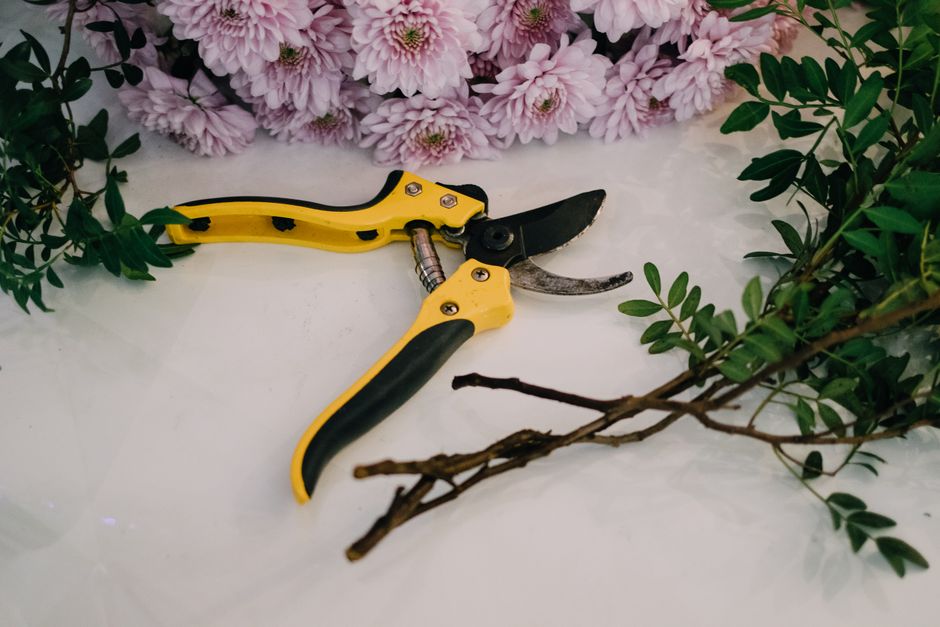
Pruning Chrysanthemums for Longer Indoor Blooms
Discover effective pruning techniques for chrysanthemums to ensure more vibrant and continuous blooms in your indoor garden.
 Plant Care
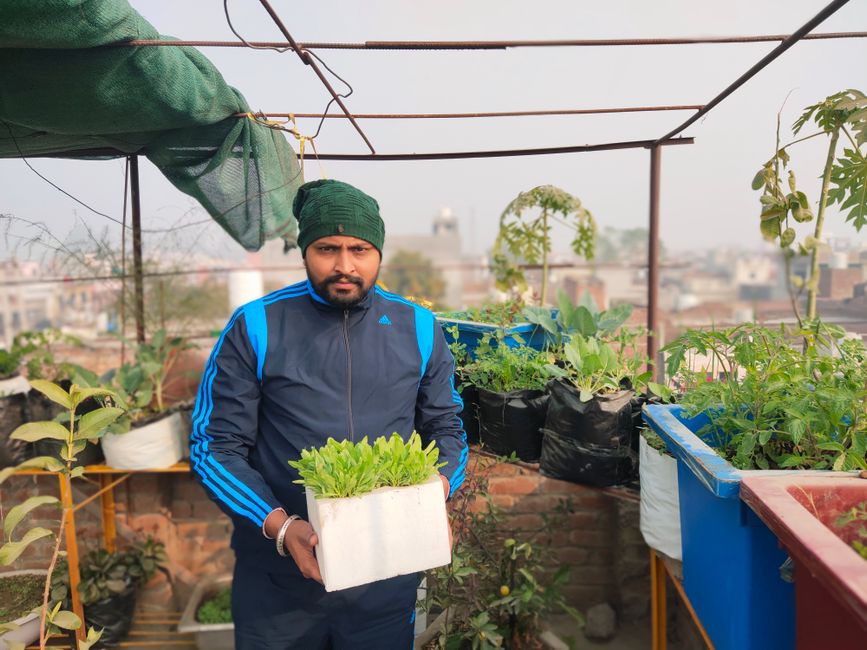
How to Grow Spinach Indoors: Fresh Leaves Year-Round
Learn how to grow fresh spinach indoors all year long, perfect for small spaces and a continuous harvest.
 Plant Care
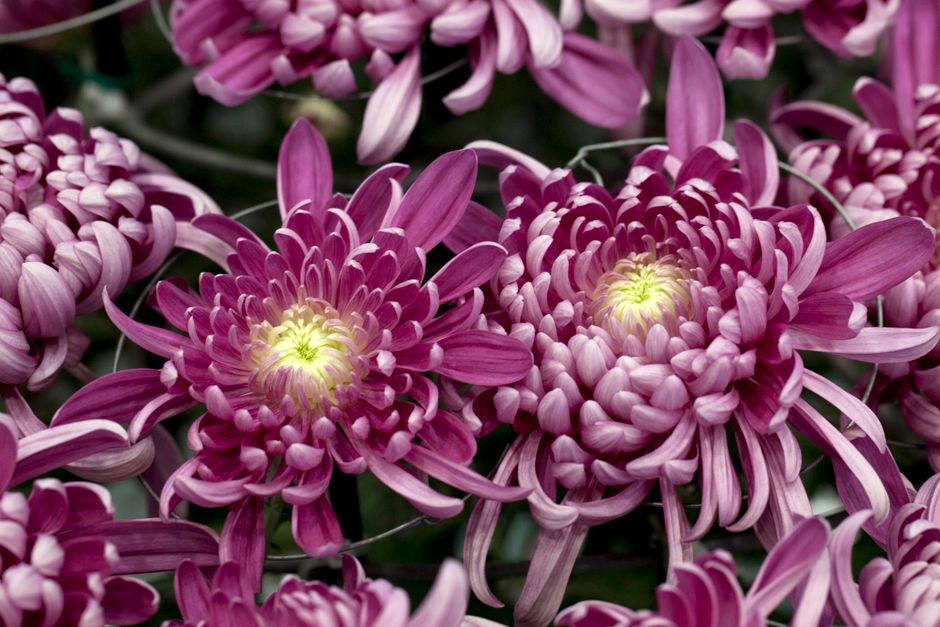
Indoor Chrysanthemum Care: Avoid This Common Mistake
Bringing chrysanthemums indoors for fall decor is popular, but many home growers make a key mistake that causes these vibrant plants to quickly decline.