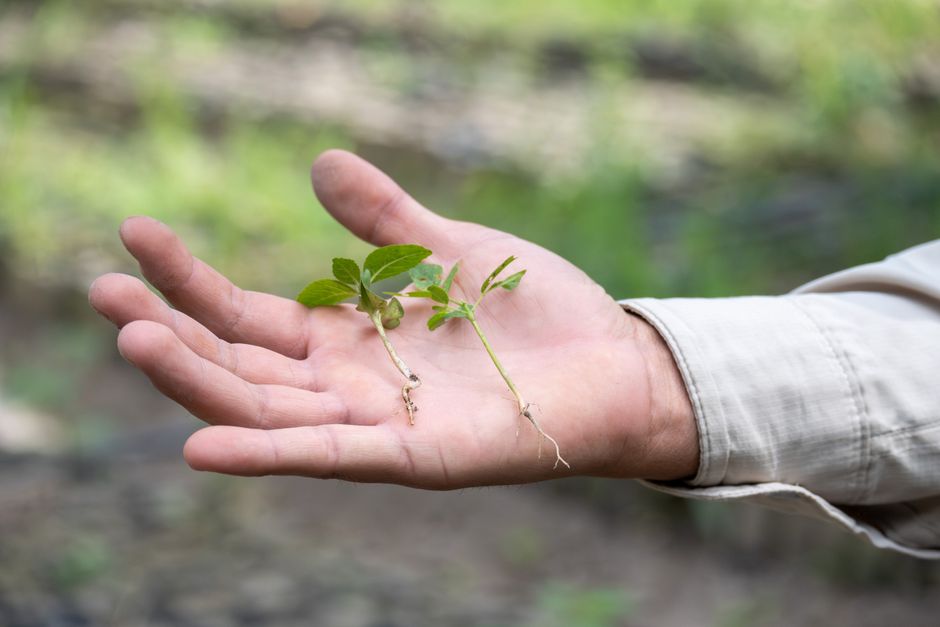
Fix Leggy Seedlings: Stop the Stretch for Stronger Plants
Seeing your young seedlings shoot up tall and thin can be disheartening. These stretched-out, weak plants are known as leggy seedlings, and they often struggle to thrive. Leggy seedlings happen when plants don't get enough light, causing them to grow long, weak stems as they desperately reach for a light source. This guide will walk you through how to fix leggy seedlings and prevent them from happening in your indoor garden, ensuring your plants start strong and healthy.
Why Do Seedlings Become Leggy?
Seedlings become leggy primarily due to insufficient light, but other factors like temperature and nutrient imbalances can also contribute. When light is too dim or too far away, seedlings put all their energy into growing taller, trying to find a brighter spot. This stretching results in long, spindly stems that can't support the plant's weight.
Common Causes of Leggy Seedlings
- Insufficient Light: This is the number one reason. Without enough bright, direct light, seedlings will stretch to seek it out.
- Lights Too Far Away: Even with a good grow light, if it's placed too high above your seedlings, they'll still stretch.
- Overcrowding: When too many seedlings are grown in a small space, they compete for light, causing some to stretch more than others.
- High Temperatures: Warm temperatures combined with low light can accelerate growth and stretching, making the problem worse.
- Lack of Air Circulation: Gentle air movement helps strengthen seedling stems. Stagnant air can contribute to weak, leggy growth.
How Can You Prevent Leggy Seedlings From Stretching?
The best way to prevent leggy seedlings is to provide optimal growing conditions from the start, focusing on light, spacing, and environmental factors. Giving your seedlings exactly what they need will encourage compact, sturdy growth.
Start by ensuring your light source is adequate. If you are using LED grow lights, make sure they are powerful enough for seed starting and positioned correctly. Check out our guide on LED Grow Light Distance: Perfect Placement for Healthy Plants to learn more about ideal light placement. Also, consider how long your lights run each day. Most seedlings need 14-16 hours of light. For details, see our guide on How Long to Run Grow Lights for Indoor Plants?
Proper spacing is also key. Plant seeds with enough room for each seedling to grow without shading its neighbors. Thin out extra seedlings early to give the strongest plants space to thrive. Good air circulation, provided by a small fan set on a low setting, can help strengthen stems and prevent stretching. Just be sure to keep electrical timers and pumps away from any water spills to maintain safety in your growing area.
Can You Fix Leggy Seedlings Once They've Stretched?
Yes, you can often fix leggy seedlings to some extent, especially if you catch the problem early. While you can't make a stretched stem shorter, you can encourage new, stronger growth and support the existing stem.
The first step is to immediately increase the light intensity or move your light source closer to the seedlings. Aim for just a few inches above the plant tops. Be careful not to scorch the leaves if your light source emits heat. You can also try burying the stretched stem deeper when you transplant. Many plants, like tomatoes, will grow new roots from the buried stem, making the plant more stable.
For very leggy plants, gently support the stems with small stakes or toothpicks. This provides temporary stability while the plant strengthens. Give the seedlings a gentle brush with your hand daily. This simulates wind, which encourages thicker, sturdier stems.
What's the Ideal Light Setup for Healthy Seedlings?
The ideal light setup for healthy seedlings involves a full-spectrum grow light positioned close to the plants and run for an appropriate duration each day. Providing the right kind and amount of light is crucial for compact, strong growth.
For most indoor seed starting, fluorescent lights (like T5s) or LED grow lights are excellent choices. LEDs are often preferred for their energy efficiency and adjustable spectrum. Place your light fixture just 2-4 inches above the tops of your seedlings. As the seedlings grow, adjust the light upward to maintain this distance. This close proximity ensures the plants receive enough intensity without stretching.
Run your grow lights for 14-16 hours per day. This mimics the long daylight hours plants need for robust growth. Use an electrical timer for consistency. Remember, seedlings also need a period of darkness to rest and carry out important metabolic processes, so don't leave the lights on 24/7.
Choosing the Best Growing Medium and Containers for Seedlings
Choosing the right growing medium and containers provides a strong foundation for your seedlings, supporting healthy root development and overall plant vigor. A well-draining, nutrient-poor medium is ideal for germination and early growth.
For most seeds, a sterile, fine-textured seed starting mix is best. This type of mix provides good aeration and drainage, which prevents damping-off disease. Avoid heavy garden soil, which can compact and suffocate delicate roots. You can find more information in our Best Seed Starting Mix for Indoor Plants: MicroVeg Guide.
When selecting containers, choose ones with drainage holes to prevent waterlogging. Small cell trays or repurposed containers like yogurt cups (with holes punched in the bottom) work well. Ensure they are clean to avoid introducing diseases. Once seedlings have developed a few sets of true leaves and their roots begin to fill their current container, it's time to transplant them into larger pots.
Final Thoughts
Dealing with leggy seedlings is a common challenge for indoor growers, but it's one you can easily overcome with a few adjustments. By providing adequate light, proper spacing, and a good growing environment, you can prevent leggy growth and cultivate strong, healthy plants from the start. Keep an eye on your young plants, make adjustments as needed, and enjoy watching them thrive. Explore more MicroVeg guides for additional tips on successful indoor gardening!
Frequently Asked Questions
What do leggy seedlings look like?
Leggy seedlings have unusually long, thin, and weak stems, often with small leaves, as they stretch excessively towards a light source.
Can I save very leggy seedlings?
Yes, you can often save very leggy seedlings by increasing light, burying the stem deeper during transplanting, and providing gentle support and air circulation.
How close should a grow light be to seedlings?
Position a grow light typically 2-4 inches above seedlings, adjusting as they grow, to ensure they receive sufficient intensity without stretching.
Should I fertilize leggy seedlings?
Fertilizing leggy seedlings is generally not recommended as the primary fix; focus on light and environmental factors first, then use a very diluted nutrient solution if growth is slow after light correction.
Explore More Plant Care Guides
 Plant Care
Pruning Chrysanthemums for Longer Indoor Blooms
Discover effective pruning techniques for chrysanthemums to ensure more vibrant and continuous blooms in your indoor garden.
 Plant Care
How to Grow Spinach Indoors: Fresh Leaves Year-Round
Learn how to grow fresh spinach indoors all year long, perfect for small spaces and a continuous harvest.
 Plant Care
Indoor Chrysanthemum Care: Avoid This Common Mistake
Bringing chrysanthemums indoors for fall decor is popular, but many home growers make a key mistake that causes these vibrant plants to quickly decline.