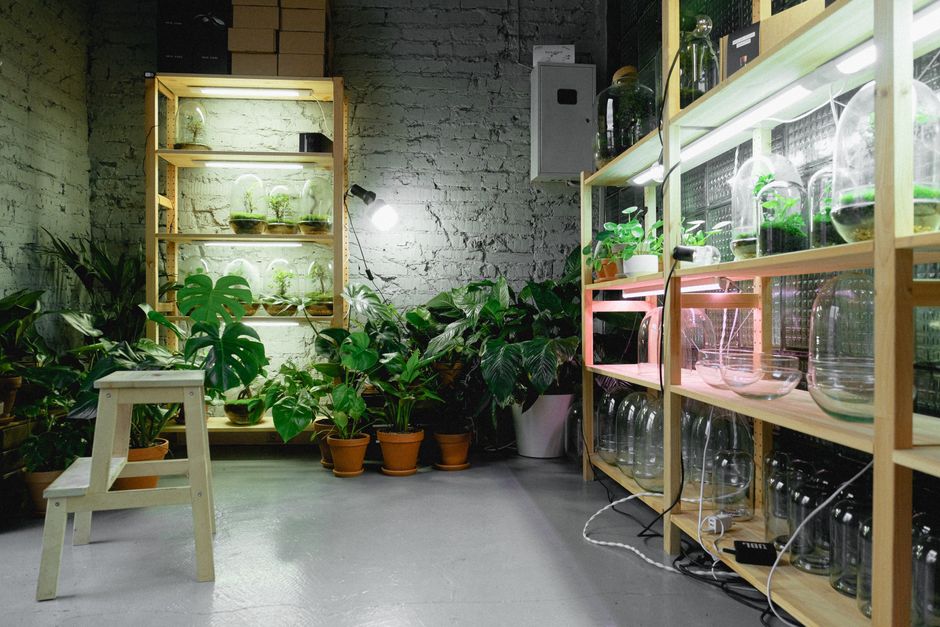
Clean Indoor Growing Setup: 3 Smart Tidy Solutions
Keeping your indoor garden pristine is about more than just aesthetics. A clean indoor growing setup is a foundational element for healthy, thriving plants, especially in hydroponic systems or compact container gardens. It means managing spills, preventing algae, deterring pests, and ensuring good air circulation around your plants and growing medium. While some might reach for a quick fix, these often create more problems than they solve. Instead, focusing on smart, practical solutions from the start will save you headaches down the road and keep your home garden flourishing.
Why is a Messy Indoor Growing Setup Bad for Your Plants?
A messy indoor growing setup can quickly lead to various problems for your plants and your home environment. Excess moisture, stray growing media, and general untidiness create prime conditions for issues like mold, mildew, and fungal growth.
These unwelcome guests can harm your plants, lead to unpleasant odors, and even impact air quality in your living space. Pests like fungus gnats are also drawn to damp, decaying organic matter and standing water, making a clean environment crucial for pest prevention.
Furthermore, a cluttered or dirty space makes it harder to monitor your plants for signs of stress, nutrient deficiencies, or early pest infestations. When everything is neat and accessible, you can quickly spot potential problems and address them before they escalate. Good hygiene also extends the life of your equipment by preventing corrosion and buildup.
What NOT to Use for Indoor Growing Tidiness
It can be tempting to use certain materials for a quick fix to manage spills or keep things tidy under your indoor plants. However, some common solutions, while seemingly effective, can cause more harm than good in the long run.
Avoid using non-breathable, opaque plastic sheeting directly under pots or around hydroponic systems as a permanent solution. While it might catch spills, it often traps moisture, restricts airflow to the bottom of pots, and creates a dark, damp environment that is perfect for mold, mildew, and certain pests to thrive. This can also prevent proper drainage from containers, leading to root rot. Similarly, materials that break down quickly or leach unknown chemicals into your plant's environment should be avoided to maintain a clean and healthy grow space.
Smart Surfaces: Strategic Top Layers for Containers and Systems
Using a strategic top layer on your growing media or around your hydroponic components is an excellent way to maintain a clean indoor growing setup. This approach helps suppress algae growth, reduces evaporation, and keeps your media tidy within its container.
For container gardens, a clean, inert top dressing can make a big difference. Materials like leca (lightweight expanded clay aggregate), perlite, or even small, smooth river stones create a physical barrier that discourages algae from forming on the surface of your soil or soilless mix. This top layer also helps to keep your growing medium from splashing out when watering, ensuring your surfaces stay cleaner.
In hydroponic systems, especially those with exposed media like rockwool cubes or net pots, covering the top surface with a layer of clay pebbles or a light-blocking lid can significantly reduce algae buildup. Algae competes with your plants for nutrients and can clog system components, so prevention is key. You can also use specific hydroponic covers or collars designed to block light from the nutrient solution while still allowing your plants to grow.
Choosing the Right Top Layer
-
Leca (Clay Pebbles): Lightweight, reusable, and excellent for covering the top of media in both containers and hydroponic systems. They allow for good airflow and prevent light penetration.
-
Perlite: Very lightweight and porous, good for improving drainage and aeration when mixed into soil, and can also be used as a light, reflective top layer. Be careful not to inhale perlite dust.
-
Coco Coir Chips/Husk: For soil-based container gardens, a thin layer of coco coir chips can act as a light mulch, helping to retain moisture and suppress surface algae. Ensure it’s a clean, buffered product.
-
Small Stones or Gravel: Provides good weight to stabilize plants, looks attractive, and effectively blocks light from reaching the growing medium surface. Ensure they are thoroughly washed before use.
Smart Surfaces: Absorbent Mats and Tray Liners
Utilizing absorbent mats and smart tray liners is another effective strategy to maintain a clean indoor growing setup. These solutions are designed to manage spills, catch drainage, and provide a tidy buffer between your plants and your surfaces.
Capillary mats are a fantastic option for container growers. Placed under pots, these mats absorb excess water from saucers or trays and can redistribute it back to the pots as needed, preventing standing water and potential mess. They also provide an even, moist surface for your pots, reducing the risk of root drying out. For delicate seedlings, a capillary mat can provide consistent moisture, which is vital for their early development. If you're growing many seedlings, you might find our guide on how to transplant seedlings helpful once they are ready for their next home.
For hydroponic systems or larger grow trays, using specialized grow tray liners can protect your surfaces from nutrient solution spills and overflow. These liners are typically made from durable, waterproof materials that are easy to clean and resist wear. Unlike problematic plastic sheeting, these liners are designed for easy removal and cleaning, and they don't trap excessive moisture in unventilated spaces. Always ensure any electrical components, like timers or pumps, are kept elevated and away from potential water spills to prevent hazards.
Smart Surfaces: Proactive Hygiene and Airflow for a Healthy Grow Space
Beyond physical barriers and absorbent layers, the most powerful tool for a clean indoor growing setup is proactive hygiene and excellent airflow. These practices are crucial for preventing issues before they start and creating an environment where your plants can truly thrive.
Regular cleaning of your growing area, including trays, reservoirs, and surfaces, is non-negotiable. For hydroponic systems, this means routine reservoir cleanouts and sanitization to prevent bacterial and algal buildup. For container gardens, wiping down shelves, grow tent floors, and plant saucers prevents the accumulation of dust, spilled media, and potential pest hiding spots. A simple solution of diluted hydrogen peroxide or a mild bleach solution (followed by thorough rinsing) can be effective for sanitizing non-porous surfaces.
Good airflow is equally important. Stagnant air is an invitation for mold, mildew, and various plant diseases. Use small oscillating fans to gently move air around your plants, mimicking a natural breeze. This helps strengthen plant stems, prevents hot spots, and reduces humidity around foliage, making it harder for fungal pathogens to take hold. Proper ventilation also helps dissipate odors and keeps the air fresh. If you are struggling with leggy seedlings, increasing airflow and adjusting light height are often key solutions.
Consider the overall design of your growing space. Are your plants too crowded? Is there enough space for air to circulate freely? Planning your layout with hygiene and airflow in mind, especially for small hydroponic setups, can prevent many common problems.
Final Thoughts
Creating and maintaining a clean indoor growing setup doesn't have to be a chore. By implementing strategic top layers, using absorbent mats and smart liners, and prioritizing proactive hygiene and good airflow, you can prevent many common problems associated with indoor gardening. These simple yet effective strategies will ensure your plants stay healthy, your space remains tidy, and your growing journey is more enjoyable. Keep exploring MicroVeg for more guides to elevate your indoor gardening success!
Frequently Asked Questions
How can I prevent algae in my hydroponic system?
Prevent algae by blocking light from your nutrient solution and growing media with opaque covers or strategic top layers like clay pebbles. Regular reservoir cleaning also helps.
What's the best way to manage spills under indoor plant pots?
Use plant saucers or absorbent capillary mats under your pots to catch excess water and prevent spills, keeping your growing area tidy and protecting surfaces.
Why is good airflow important for indoor plants?
Good airflow prevents mold, mildew, and fungal diseases by reducing humidity around foliage and strengthening plant stems, contributing to a healthier clean indoor growing setup.
Can I use regular household plastic sheeting under my plants?
It's best to avoid regular, non-breathable plastic sheeting as a permanent solution because it can trap moisture, restrict airflow, and create conditions for mold and pests.
Explore More Plant Care Guides
 Plant Care
Pruning Chrysanthemums for Longer Indoor Blooms
Discover effective pruning techniques for chrysanthemums to ensure more vibrant and continuous blooms in your indoor garden.
 Plant Care
How to Grow Spinach Indoors: Fresh Leaves Year-Round
Learn how to grow fresh spinach indoors all year long, perfect for small spaces and a continuous harvest.
 Plant Care
Indoor Chrysanthemum Care: Avoid This Common Mistake
Bringing chrysanthemums indoors for fall decor is popular, but many home growers make a key mistake that causes these vibrant plants to quickly decline.