Best Lettuce for Indoor Growing: Your Guide to Fresh Harvests
Getting fresh, crisp lettuce from your own home garden, even in a small space, is incredibly rewarding. If you're wondering which varieties thrive best in an indoor setting, you're in the right place. Choosing the best lettuce for indoor growing means picking compact, fast-growing types that offer a "cut-and-come-again" harvest. These qualities ensure you get continuous fresh leaves without needing a lot of space or waiting a long time between harvests. Let's explore the top choices and how to make your indoor lettuce garden a success.
Which Lettuce Varieties Are Best for Indoor Growing?
The best lettuce varieties for indoor growing are typically loose leaf types, but some butterhead and compact romaine options also perform very well. These lettuces are chosen for their ability to grow quickly, their tolerance for less-than-ideal light, and their "cut-and-come-again" harvesting potential, which means you can pick outer leaves and the plant keeps producing.
Loose Leaf Lettuce: The Indoor Champion
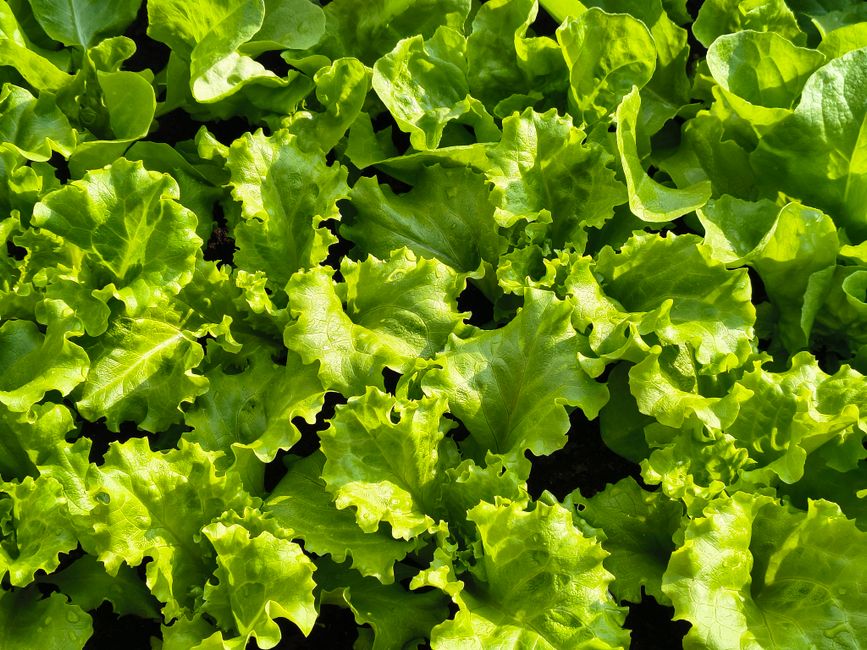
Loose leaf lettuces are often the top recommendation for indoor gardeners because they mature quickly and do not need to form a dense head. Varieties like 'Black Seeded Simpson,' 'Grand Rapids,' 'Salad Bowl,' and 'Red Sails' are excellent choices. You can start harvesting individual leaves in as little as 3-4 weeks from seeding. They are forgiving and continue to produce for weeks.
Butterhead & Romaine: Great Choices Too
Butterhead lettuces, such as 'Tom Thumb' or 'Bibb,' offer tender leaves and a slightly sweeter flavor. While they do form a loose head, they are generally smaller and more compact than typical outdoor varieties. Romaine varieties like 'Little Gem' are also good for indoor growing, providing crisp texture and a classic Caesar salad flavor without taking up too much room. Look for varieties specifically bred for compact growth.
What Makes a Lettuce Good for Indoor or Hydroponic Gardens?
Lettuce varieties considered ideal for indoor or hydroponic gardens share several key characteristics that make them successful in controlled environments. These traits include a compact growth habit, rapid maturity, the ability to be harvested multiple times, and a general tolerance for the specific conditions of indoor growing.
Compact Growth Habit: Space is often limited indoors, so lettuce varieties that stay small and upright are perfect. They will not outgrow their containers or crowd out neighboring plants. This also makes them suitable for vertical gardens or smaller hydroponic setups.
Rapid Maturity: Who wants to wait months for a salad? Indoor lettuce thrives when it can go from seed to harvest in a short amount of time. Loose leaf varieties, in particular, offer quick turnaround, letting you enjoy fresh greens sooner.
Cut-and-Come-Again Potential: This is a huge benefit for home growers. Instead of harvesting the whole plant at once, you can snip off outer leaves as needed. The plant then regrows new leaves, giving you a continuous supply from a single planting. This minimizes waste and maximizes your yield over time.
Tolerance for Indoor Conditions: Indoor environments, especially with grow lights, can differ from natural outdoor conditions. The best indoor lettuces are adaptable to lower light levels, compared to full sun outdoors, and stable temperatures, which are common in homes. They also generally do well in hydroponic systems, meaning their roots are happy without soil.
How Do You Set Up Your Indoor Lettuce Garden?
Setting up an indoor lettuce garden is surprisingly simple, especially if you focus on the basics of light, water, and growing medium. You will need a few key supplies to get started, whether you choose a simple pot or a small hydroponic system.
Seeds and Starting: Start with high-quality lettuce seeds. You can sow them directly into your chosen growing medium, usually just a quarter-inch deep. Keep the medium consistently moist during germination.
Growing Medium: For soil-based growing, use a light, well-draining potting mix. For hydroponics, rockwool cubes, coco coir, or specialized grow sponges work well to support the plants.
Light: Lettuce needs good light to thrive indoors. While a sunny windowsill can work for some, supplemental LED grow lights are often necessary for robust growth, especially during shorter winter days. Position your grow light a few inches above the seedlings, adjusting as they grow taller. For more on choosing the right light, check out our guide on Grow Light vs Natural Light: Best for Your Indoor Plants? Always make sure your electrical timers and pumps are kept away from any water spills to prevent hazards.
Water and Nutrients: Keep soil moist but not soggy. For hydroponic systems, you will need a nutrient solution mixed with water. Follow the dosage instructions on your specific hydroponic nutrient bottle carefully. Change the water in your reservoir regularly to keep it fresh and oxygenated. You can also explore setting up a basic hydroponic system with our beginner's guide.
Air Circulation: Gentle air movement from a small fan helps strengthen stems and prevents fungal issues, especially in humid indoor environments.
How Do You Care for Indoor Lettuce for Continuous Harvests?
Caring for indoor lettuce to ensure a continuous supply of fresh leaves involves consistent attention to lighting, nutrients, watering, and proper harvesting techniques. Regular checks will keep your plants healthy and productive for weeks.
Consistent Lighting Schedule: Lettuce needs about 10-14 hours of light per day. Use an automatic timer for your grow lights to maintain a consistent schedule. Too little light can lead to leggy plants, while too much can cause tip burn. Watch for signs your plants need more or less light.
Nutrient Management: If growing hydroponically, regularly check your nutrient solution and replenish it as needed. For soil-grown lettuce, a weak, balanced liquid fertilizer can be applied every couple of weeks, following the product instructions. Over-fertilizing can harm your plants.
Watering Properly: Soil-grown lettuce needs consistent moisture. Feel the top inch of soil; if it is dry, it is time to water. Hydroponic systems usually handle this automatically, but ensure your reservoir levels are adequate. Always use filtered or distilled water if your tap water is heavily chlorinated.
Pest and Disease Watch: Indoor plants are less prone to pests, but it is still wise to inspect your lettuce regularly for any signs of trouble. Common issues can include small gnats or aphids. Address any problems early with gentle organic solutions.
Harvesting for Regrowth: To achieve continuous harvests, use the "cut-and-come-again" method. Snip off the outer, larger leaves with clean scissors, leaving the inner leaves and the growing point intact. This encourages the plant to produce new growth from the center. Avoid taking more than one-third of the plant at any one time. Wash your harvested leaves thoroughly before eating.
Can You Grow Head Lettuce Indoors?
Yes, you can grow some types of head lettuce indoors, but it typically requires more space, light, and patience compared to loose leaf varieties. While not as straightforward as growing individual leaves, compact head varieties can be successfully cultivated with the right conditions.
Head lettuces, like larger butterheads or crispheads, need more time to mature and form their characteristic dense heads. This means they will occupy your growing space for a longer period. They also generally demand more intense light to develop properly, making a robust grow light system almost essential.
If you want to try growing head lettuce indoors, look for compact or "mini" varieties. These are bred to produce smaller, tighter heads suitable for containers or smaller hydroponic setups. Be prepared for a longer growing cycle and ensure your lighting is powerful enough to penetrate the outer leaves and encourage the inner leaves to form a head. For beginners, starting with loose leaf varieties is usually a more rewarding and quicker path to fresh salads.
Final Thoughts
Choosing the best lettuce for indoor growing can significantly impact your success and enjoyment as a home gardener. By selecting compact, fast-growing varieties and providing consistent care, you can enjoy fresh, crisp lettuce year-round right from your kitchen. Keep experimenting with different types, and soon you will have a thriving indoor salad bar. Explore more tips and tricks in our other MicroVeg guides to further enhance your indoor gardening journey.
Frequently Asked Questions
How long does it take to grow lettuce indoors?
Loose leaf lettuce varieties can be ready for their first harvest of outer leaves in as little as 3-4 weeks from seeding, with full maturity often reached around 6-8 weeks.
Does indoor lettuce need direct sunlight?
While a very sunny windowsill can support some growth, indoor lettuce thrives best with supplemental LED grow lights providing 10-14 hours of consistent light daily for optimal growth.
How often should I water indoor lettuce?
For soil-grown lettuce, water when the top inch of soil feels dry to the touch. Hydroponic systems require regular monitoring of the reservoir level and nutrient solution changes.
Can I reuse the water from my hydroponic lettuce system?
It is generally not recommended to reuse old hydroponic water. You should regularly refresh your reservoir with a new, properly mixed nutrient solution to ensure plant health and prevent nutrient imbalances.
Explore More Plant Care Guides
 Plant Care
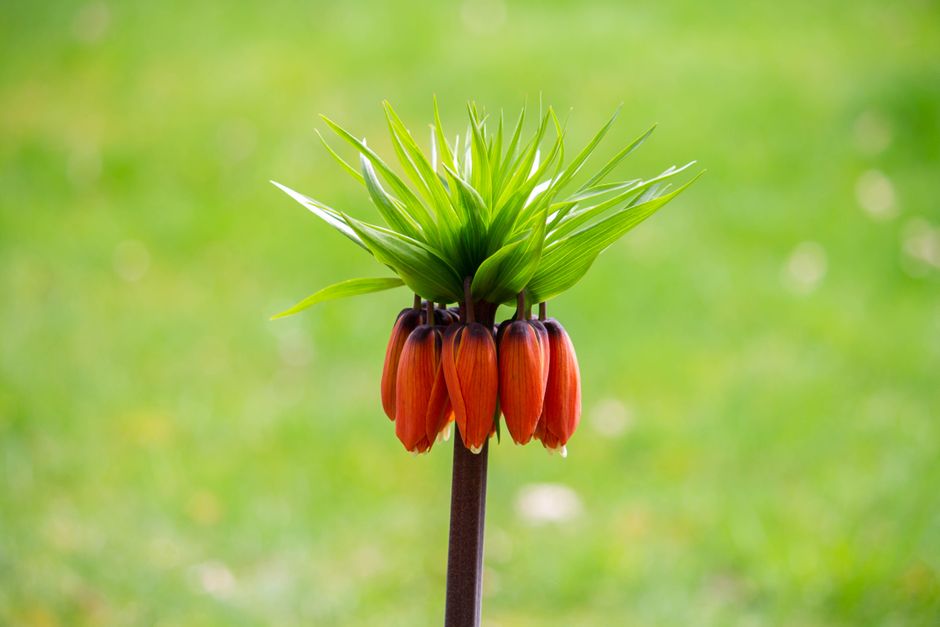
Crown Imperial Indoors: Can This Showstopper Thrive?
Learn if the magnificent Crown Imperial can truly thrive in your indoor container garden or on your balcony, and what challenges you might face.
 Plant Care
Christmas Cactus Bloom: 3 Secrets for Indoor Growers
Learn the simple, practical secrets to make your Christmas cactus bloom beautifully indoors, turning your home into a festive display.
 Plant Care
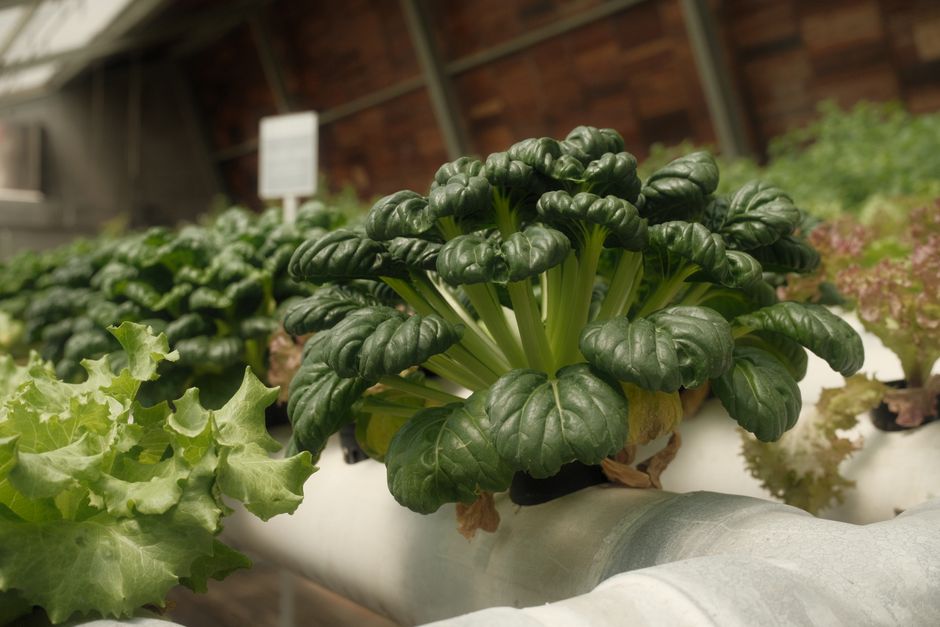
Prevent Algae in Hydroponics: Your Guide to Clean Systems
Discover simple, effective strategies to prevent algae in hydroponics and keep your indoor gardening system clean and your plants thriving.