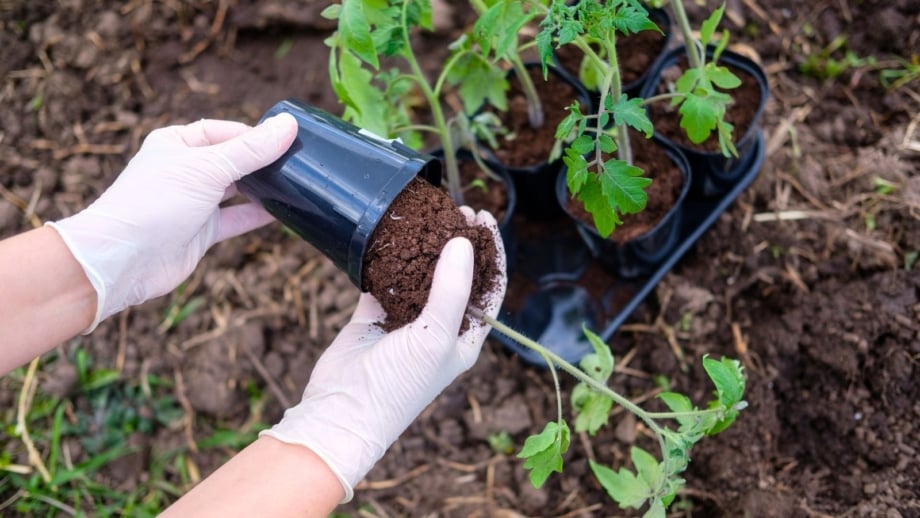
Bury Tomato Plants Sideways: Does It Work?
If you want stronger indoor tomato crops, you might have heard a popular secret passed down by experienced growers. Many gardeners swear that if you bury tomato plants sideways, you will build a massive root system and harvest far more fruit. Is horizontal trenching worth trying in containers, hydroponic buckets, or indoor grow rooms, or does it cause unwanted problems? Here is what you need to know before laying your tomato seedlings on their sides.
Why Do Gardeners Bury Tomato Plants Sideways?
Gardeners bury tomato plants sideways because tomato stems have a unique natural ability to sprout new roots wherever stem tissue meets moist soil or growing medium. These new roots, called adventitious roots, grow rapidly out of the tiny bumps along the main stem. When you strip the lower foliage and lay the stem underground, the plant transforms those buried stem sections into a powerful secondary root zone.
In traditional outdoor beds, this horizontal planting method is often called trenching. Instead of digging a deep hole straight down, growers dig a shallow trench and lay the root ball and lower stem on its side. The top leaves bend naturally toward the light within a day or two.
How Adventitious Roots Help Small-Space Tomatoes
A larger root surface area helps the plant absorb water and essential nutrients much faster. For small space and indoor growers, strong root development is critical because pot volumes are naturally limited. When a plant builds a larger root base, it becomes more resilient against moisture stress and heavy fruit loads.
Additionally, shallow roots warm up faster than deep roots in cool weather. If you start your container tomatoes early in the spring on a balcony or near a chilly window, horizontal planting keeps the roots in the upper, warmer layer of soil.
How to Trench Plant Tomatoes in Indoor Containers
To trench plant a tomato in a container, strip the lower leaves, lay the stem horizontally across a wide pot, and carefully bend the upper top leaves above the soil line. Container growers need to choose wide pots rather than narrow ones for this technique to work smoothly.
Follow these simple steps when setting up your container plant:
- Select a container that is at least as wide as the buried stem section.
- Gently clip off all lower leaves, leaving only the top four or six leaf sets intact.
- Dig a shallow horizontal trough across the pot, roughly two to three inches deep.
- Lay the root ball in one corner and lay the bare stem along the trough.
- Carefully curve the leafy top upward so it points above the soil level.
- Fill the trough with quality potting mix, press lightly, and water thoroughly.
Before filling your pots, make sure your potting soil is fresh and free of pests. Reading our guide on Is Bagged Soil Safe for Indoor Container Gardening? will help you choose clean media that keeps indoor pests away from your young roots.
What Are the Drawbacks of Planting Tomatoes Sideways Indoors?
The main drawbacks of planting tomatoes sideways indoors are the risk of snapping brittle stems, stem rot in wet media, and soil surface pests attacking shallow roots. While trenching works wonders outdoors, indoor and container environments present a few specific challenges that require careful attention.
First, tomato stems can break easily when you try to bend them upward. Young seedlings are often stiff, and forcing a tender stem to point toward your grow light can snap the plant completely. You must handle the stem gently and let light do the work of pulling the tip upward naturally over twenty four hours.
Second, keeping roots shallow leaves them vulnerable to fast evaporation under bright indoor lights. If your container topsoil dries out rapidly, those fresh stem roots will stall out or die.
Safety is also key when managing indoor garden equipment. Always keep electrical timers, power strips, and LED grow light ballasts safely elevated off the floor to avoid contact with runoff water during heavy irrigation.
Should You Bury Tomatoes Sideways in Hydroponic Systems?
You should generally avoid burying tomato stems sideways in standard hydroponic setups like deep water culture or nutrient film technique, but you can bury stems vertically in media filled Dutch buckets. In liquid systems, submerging bare stem tissue horizontally without adequate oxygen often leads to stem rot or soft tissue decay before new roots can form.
Root Boosting Techniques for Hydroponic Tomatoes
If you grow tomatoes using clay pebbles or perlite in Dutch buckets or big drip pots, you can still stimulate extra root growth. Instead of laying the plant sideways, lower the plant vertically deeper into the net pot or container as it grows.
As you add fresh media around the lower stem, the plant will push out new roots inside the bucket without needing horizontal space. Ensure proper air circulation around the root crown to keep fungus and mold away from the moist stem base.
When Should You Plant Tomatoes Vertically Instead?
You should plant tomatoes vertically when using deep, narrow containers, when working with very tall leggy seedlings, or when shelf space inside an indoor grow tent is strictly constrained. Deep vertical planting achieves the same extra root growth as horizontal trenching while saving precious floor space.
Choose your planting method based on your setup:
- Use horizontal trenching if your container is wide, shallow, and placed outdoors or under broad canopy lights.
- Use vertical deep planting if your pots are tall and narrow, such as standard five gallon buckets.
- Use vertical planting if your seedlings are tall and limber enough to drop deep into a narrow hole.
- Avoid horizontal trenching if you are working with small desktop pots where horizontal space does not exist.
Final Thoughts
Deciding whether to bury tomato plants sideways comes down to your container shape and available growing space. While horizontal trenching helps build strong root systems in wide pots, deep vertical planting is often easier and safer for narrow indoor containers. Take a look at our other MicroVeg guides to master indoor lighting, hydroponics, and small space growing.
Frequently Asked Questions
Does burying tomato stems make them grow better?
Yes, burying tomato stems encourages adventitious roots to sprout along the stem. This extra root growth helps the plant absorb more water and nutrients.
Will burying a tomato stem rot the plant?
A buried tomato stem will not rot in well-drained, airy soil mix. However, stems can rot if buried in soggy, unaerated medium or pure water without proper oxygen.
How deep should you bury a tomato plant vertically?
You can bury up to two-thirds of a young tomato plant vertically after removing the bottom leaves. Make sure the top four to six leaves remain above the soil line.
Is trenching better than deep vertical planting in containers?
Trenching is better in wide, shallow pots with room for horizontal stems. Vertical deep planting works far better in narrow, deep containers or tight indoor spaces.
Explore More Plant Care Guides
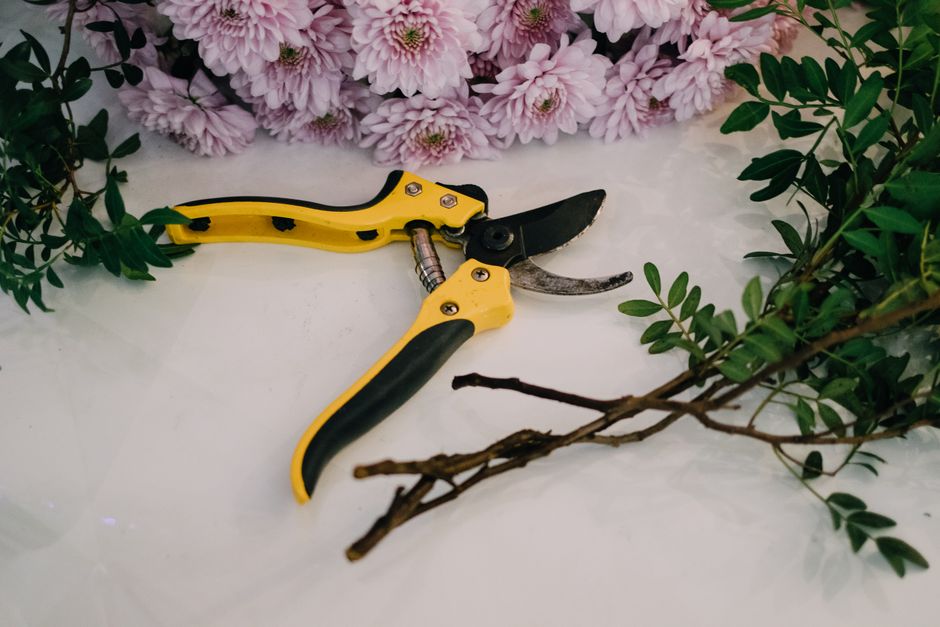 Plant Care
Pruning Chrysanthemums for Longer Indoor Blooms
Discover effective pruning techniques for chrysanthemums to ensure more vibrant and continuous blooms in your indoor garden.
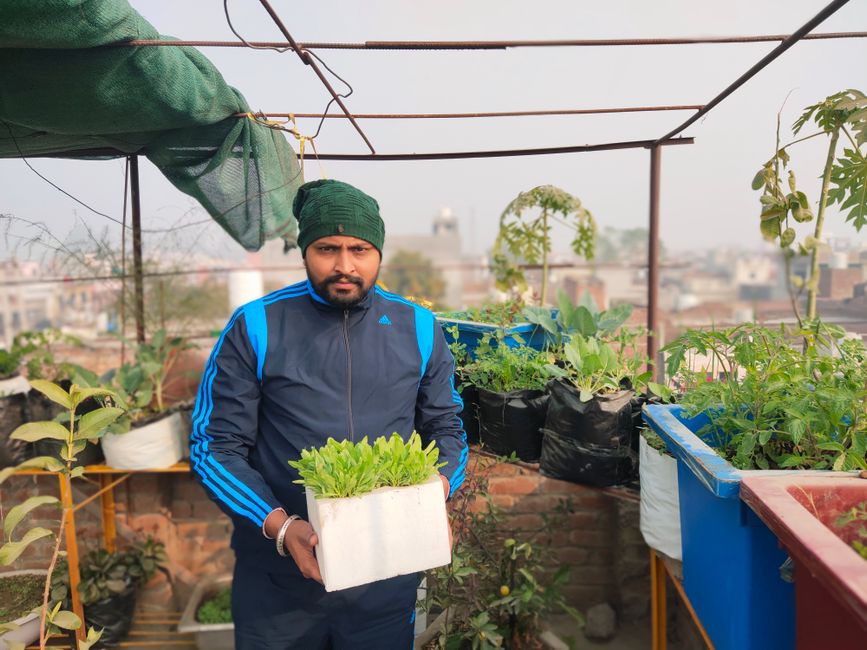 Plant Care
How to Grow Spinach Indoors: Fresh Leaves Year-Round
Learn how to grow fresh spinach indoors all year long, perfect for small spaces and a continuous harvest.
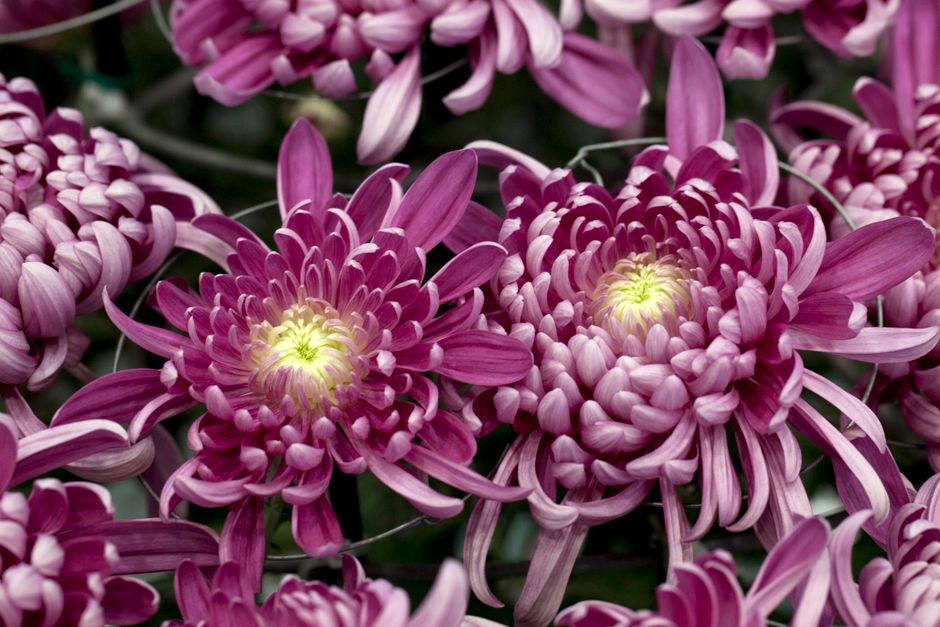 Plant Care
Indoor Chrysanthemum Care: Avoid This Common Mistake
Bringing chrysanthemums indoors for fall decor is popular, but many home growers make a key mistake that causes these vibrant plants to quickly decline.