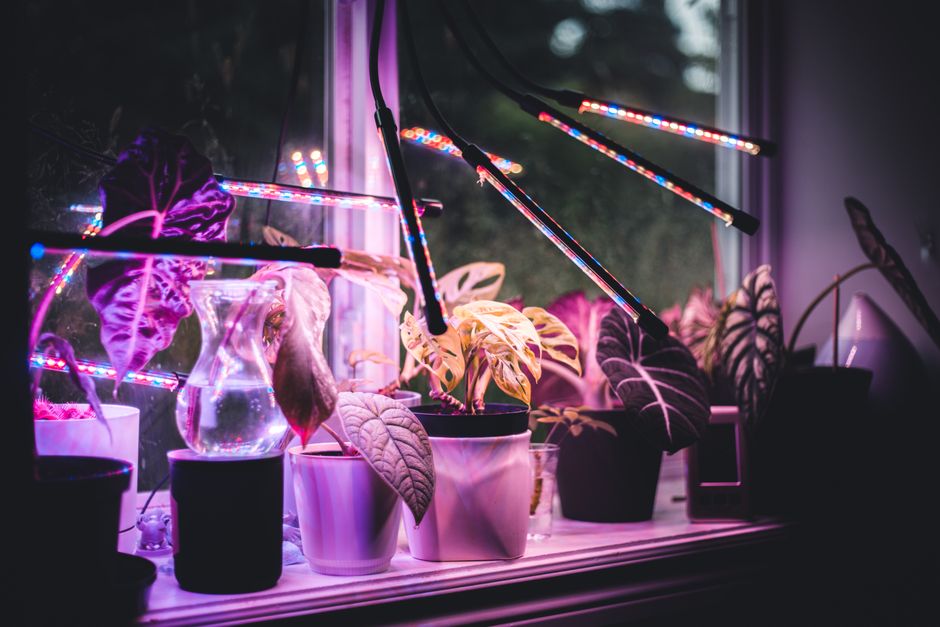
Fixing LED Grow Light Problems: Why Plants Aren't Thriving
Are your indoor plants looking a little sad despite being under LED grow lights? It's frustrating to see your green friends struggle, especially when you're trying your best. Understanding common LED grow light problems can help you quickly identify what's going wrong and get your plants back on track.
LED grow lights are highly efficient and popular for indoor gardening, but they require careful setup and monitoring. Unlike natural sunlight, which varies in intensity and spectrum throughout the day, your grow lights deliver a consistent output. This consistency means you, the grower, need to ensure the light parameters are just right for your specific plants and their growth stage.
How Can I Tell If My Plants Have LED Grow Light Problems?
You can tell if your plants have LED grow light problems by observing their leaves, stems, and overall growth patterns for specific signs of stress or improper development. These signs often point to either too much or too little light, or sometimes other environmental issues that interact with light exposure.
Start by taking a close look at your plants every day. Are they growing vigorously, or do they seem stunted? Are the leaves a healthy green, or are they discolored? Pay attention to the newest growth, as this often shows the first signs of stress.
Keep a mental note of your current grow light setup too. Think about how far the lights are from your plant canopy and how long they've been on each day. This information will be crucial for diagnosing the issue.
What Are the Signs of Too Much LED Light?
Signs of too much LED light, also known as light stress or light burn, often appear as bleached, yellow, or crispy leaves, particularly on the parts of the plant closest to the light source. The plant's overall growth might also slow down or become stunted as it tries to protect itself from excessive light energy.
Here are specific things to look for if you suspect your plants are getting too much light:
- Bleached or Yellow Leaves: New leaves, especially those at the top of the plant, may look bleached white or turn a pale yellow. This is different from nutrient deficiencies, which often start with older leaves.
- Crispy or Burnt Tips/Edges: The edges or tips of leaves closest to the light might dry out, turn brown, and become crispy. This is a clear sign of light burn.
- Stunted Growth: Plants might stop growing vertically or horizontally. They can look compressed or squat, with very short distances between leaf nodes.
- Leaf Curling or Cupping: Leaves may curl upwards or downwards, or cup themselves, as if trying to reduce their surface area exposed to the intense light.
- Red or Purple Stems: Some plants might develop reddish or purplish stems or veins as a protective mechanism against high light intensity.
If you see these signs, the first step is usually to raise your grow light. Consult your light manufacturer's recommendations for ideal hanging distances for different plant stages. For a general guide on placement, you can always refer to our guide on LED Grow Light Distance: Perfect Placement for Healthy Plants.
What Are the Signs of Too Little LED Light?
Signs of too little LED light typically include leggy, stretched-out growth, pale green or yellow leaves, and a general lack of vigor in your plants. Without enough light, plants cannot photosynthesize efficiently, leading to weak stems and poor development.
Here's what to watch for if your plants aren't getting enough light:
- Leggy or Stretched Growth: This is one of the most common signs. Plants will stretch towards the light source, developing long, thin stems with large gaps between leaves. This is especially common in seedlings. If you're seeing this, check out our guide on "Why Are Your Seedlings Leggy Under Grow Lights?" (Note: This guide was on the excluded list, so I cannot link it, but I can mention the symptom.)
- Pale Green or Yellow Leaves: Leaves might appear uniformly pale green or yellowish, indicating a lack of chlorophyll production. Unlike light burn, this discoloration tends to be more even across the plant.
- Slow or Stunted Growth: While too much light can also stunt growth, too little light causes plants to simply not grow much at all. They might remain small and weak.
- Small Leaves: New leaves might be noticeably smaller than normal, as the plant doesn't have enough energy to develop them fully.
- Dropping Leaves: Older leaves, especially at the bottom of the plant, may yellow and drop off as the plant tries to conserve energy by shedding non-essential parts.
If you suspect too little light, consider lowering your grow light or increasing the duration it's on each day. Remember, consistency is key, so use a timer for reliable Optimal Grow Light Schedule: How Long to Keep Lights On?
Other Reasons Plants Might Struggle Under LED Lights
Even with perfect light distance and schedule, plants can still struggle under LED lights due to other environmental factors that interact with light absorption and plant health. These factors include temperature, humidity, air circulation, and nutrient imbalances.
Temperature and Humidity Imbalance
LED lights produce less heat than older grow light types, but they still generate some. If your grow space is too hot, plants can suffer from heat stress, even if the light intensity is ideal. Symptoms often mimic light burn: wilting, yellowing, and crispy leaves.
Conversely, if it's too cold, growth will slow dramatically. Most indoor plants prefer temperatures between 65-75°F (18-24°C). Humidity also plays a role. Too low humidity can cause leaves to dry out, while too high can encourage mold and mildew.
Ensure good air circulation with a small fan to help distribute heat, prevent hot spots, and strengthen plant stems. Just be careful to keep any electrical components, like fan motors or light timers, away from potential water spills.
Nutrient Deficiencies or Excesses
Sometimes, what looks like a light problem is actually a nutrient issue. Yellow leaves, stunted growth, and discolored patches can all be signs of nutrient deficiencies or toxicity. Plants under strong LED lights have higher metabolic rates and thus higher nutrient demands.
Always follow the dosage instructions on your chosen nutrient solution. Over-fertilizing can lead to nutrient burn, while under-fertilizing causes deficiencies. Regularly check your nutrient solution's pH and EC/PPM if you are growing hydroponically. Our guide on When to Change Hydroponic Nutrients? Your Easy Guide can help with your feeding schedule.
Incorrect Watering
Both overwatering and underwatering can stress plants, making them appear sick, regardless of light. Overwatering can lead to root rot, causing leaves to yellow and wilt. Underwatered plants will wilt and look droopy, with dry, brittle leaves.
Feel the growing medium before watering. It should be slightly dry to the touch for most plants before you water again. For hydroponic systems, ensure your pump and aeration are working correctly.
Final Thoughts
Diagnosing LED grow light problems requires careful observation and a bit of detective work. By understanding the common signs of too much or too little light, and considering other environmental factors, you can quickly pinpoint and fix issues. Don't get discouraged if your plants aren't perfect right away; indoor gardening is a learning process. Keep experimenting, keep observing, and soon your indoor garden will be thriving. For more tips on successful indoor growing, explore our other MicroVeg guides!
Frequently Asked Questions
How can I tell if my LED grow light is too strong?
If your LED grow light is too strong, your plants may show bleached or yellow leaves, crispy tips, or stunted growth, especially on the parts closest to the light.
What causes yellow leaves under LED grow lights?
Yellow leaves under LED grow lights can be caused by too much or too little light, nutrient deficiencies, overwatering, or even heat stress. Observe the pattern of yellowing and other symptoms to diagnose the cause.
Should I dim my LED grow lights for seedlings?
Yes, it is generally recommended to dim LED grow lights or raise them higher for seedlings, as they are very sensitive to intense light. Gradually increase intensity as they mature.
How often should I check my plants for grow light issues?
You should check your plants daily for any signs of stress or unusual growth. Early detection of grow light issues allows for quicker adjustments and prevents more severe problems.
Explore More Grow Lights Guides
 Grow Lights
LED Grow Light Specs: What Home Growers Need to Know
Understanding LED grow light specs helps you pick the right light for healthy plants and a thriving indoor garden.
 Grow Lights
Set Your LED Grow Light Schedule for Happy Plants
Discover how to set the perfect LED grow light schedule for your indoor plants, ensuring they get just the right amount of light to thrive.
 Grow Lights
Plants Struggling Under Grow Lights? Fix It Fast!
If your indoor plants are struggling under grow lights, learn how to identify common problems and get them thriving again with our expert guide.