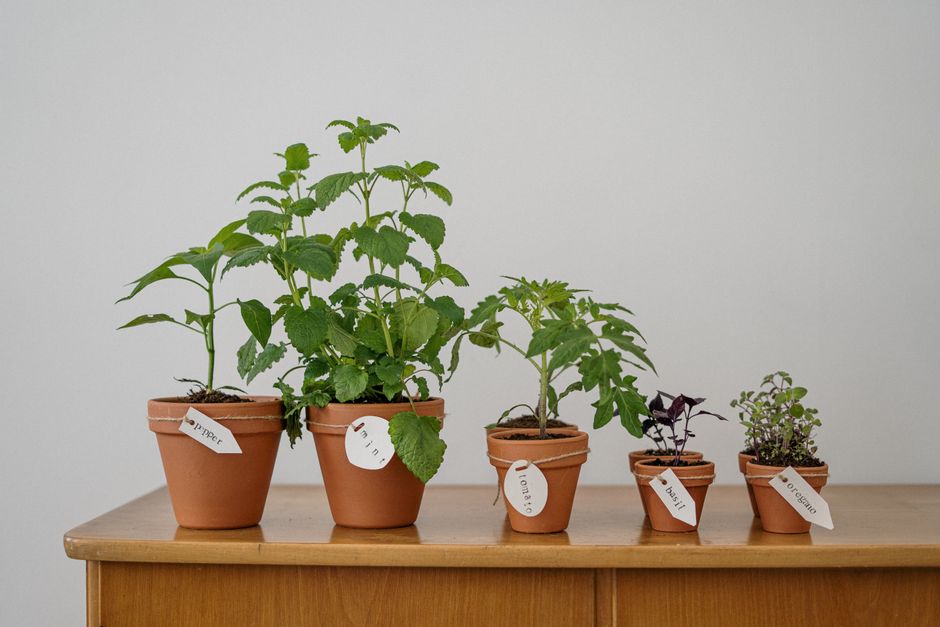
Grow Herbs on a Windowsill: Easy Beginner Guide
You do not need a large backyard or a dedicated greenhouse to enjoy fresh, aromatic herbs with your home cooking. To grow herbs on a windowsill, all you need is a sunny ledge, small containers with good drainage, and a dependable watering routine. This simple indoor setup lets you snip fresh flavor right where you cook, even in a compact apartment.
Which Herbs Grow Best on a Windowsill?
The best herbs to grow on an indoor windowsill are compact, forgiving varieties like chives, basil, parsley, mint, thyme, and oregano. These culinary favorites thrive in small pots, adapt well to indoor room temperatures, and bounce back quickly after regular harvesting.
Chives are arguably the easiest option for beginners because they tolerate lower light levels and regrow rapidly after you snip them. Basil loves warmth and sunlight, making it an ideal choice for south-facing spots. Parsley grows steadily in bright indirect light and produces tender leaves for weeks. Mint grows vigorously, though you should always plant it in its own private pot so its roots do not crowd out neighboring herbs.
Mediterranean Herbs vs Leafy Green Herbs
Woody Mediterranean herbs like rosemary, thyme, and oregano prefer gritty soil that dries out slightly between waterings. Leafy herbs like basil, cilantro, and parsley need consistent moisture and a lighter potting mix. Grouping herbs with similar moisture needs together on your sill makes daily care much simpler.
How Much Light Do Windowsill Herbs Need?
Most windowsill herbs need at least five to six hours of bright, direct sunlight each day to stay bushy and flavorful. A south-facing or unobstructed west-facing window is the ideal spot for indoor herb pots.
If your window faces north or sits in the shadow of neighboring buildings, your herbs may become pale and leggy as they stretch toward the glass. You can easily fix weak sunlight by adding a small clip-on grow light above your sill. Always rotate your herb pots a quarter turn every few days so every side of the plant receives balanced light exposure.
What Pots and Soil Should You Use?
The best containers for windowsill herbs are small pots with bottom drainage holes, paired with a lightweight indoor potting mix. Proper drainage is essential because standing water quickly rots indoor herb roots.
- Choose pots that measure four to six inches across to give roots room to develop without taking over your window space.
- Always place saucers or a leak-proof drip tray under your containers to protect your windowsill from moisture damage.
- Use a well-draining indoor potting mix with perlite rather than heavy garden soil, which packs down too tightly in small pots.
- Wipe down your windowsill and pot saucers regularly to keep dust down and prevent mold from forming in damp corners.
If you prefer growing without potting soil, you can explore water-based methods. Comparing hydroponics vs soil helps you decide whether passive water jars or traditional potting mixes fit your daily routine best.
How to Water Windowsill Herbs Correctly
Water your windowsill herbs only when the top inch of soil feels dry to the touch, and pour water until it drains freely out the bottom of the pot. Always discard any excess water that collects in the saucer after fifteen minutes so the roots do not sit in soggy soil.
Indoor herbs dry out at different rates depending on season, pot material, and sunlight levels. Clay terracotta pots breathe well but dry out faster than plastic or glazed ceramic pots. During warm sunny weeks, check your pots daily by inserting your fingertip directly into the soil. In the middle of winter when plant growth slows down, reduce your watering frequency to prevent root rot.
How to Harvest Windowsill Herbs for Continuous Growth
To keep your windowsill herbs producing fresh foliage, harvest small amounts regularly by snipping stems just above a set of healthy leaves. Regular pruning prevents the herbs from flowering and encourages the plant to branch out into a bushier shape.
Never remove more than one-third of the total plant foliage during a single harvest session. Taking too many leaves at once shocks the herb and slows down regrowth. For woody herbs like thyme and oregano, snip the tender top growth rather than cutting down into the woody base. For leafy herbs like basil, pinch off the top center shoot to trigger two new side stems to grow.
Preventing Pests on Indoor Sills
Keep your indoor garden healthy by checking the undersides of leaves weekly for tiny pests like fungus gnats or spider mites. If you notice gnats buzzing near damp potting mix, let the top layer of soil dry out thoroughly before watering again. For safety around your kitchen, use simple physical traps or gentle insecticidal soap rinses instead of harsh chemical sprays near food crops.
Final Thoughts
Learning how to grow herbs on a windowsill is one of the most rewarding ways to bring fresh green flavor into your home. With a sunny spot, well-draining pots, and regular gentle harvesting, your indoor herb garden will thrive through every season. Take a look at our other indoor growing guides to discover more simple ways to grow food in small spaces.
Frequently Asked Questions
Can you grow herbs on a windowsill during winter?
Yes, you can grow windowsill herbs in winter as long as the window receives direct sun and stays free from cold drafts.
How often should I feed my windowsill herbs?
Feed your indoor herbs with a diluted organic liquid fertilizer once every four to six weeks during active spring and summer growth.
Why are my windowsill herbs getting tall and skinny?
Herbs grow tall and skinny when they do not receive enough sunlight, which causes stems to stretch toward the nearest light source.
Can I grow multiple herbs together in one windowsill box?
Yes, you can grow multiple herbs in one box as long as you pair herbs that share similar watering and sunlight requirements.
Explore More Plant Care Guides
 Plant Care
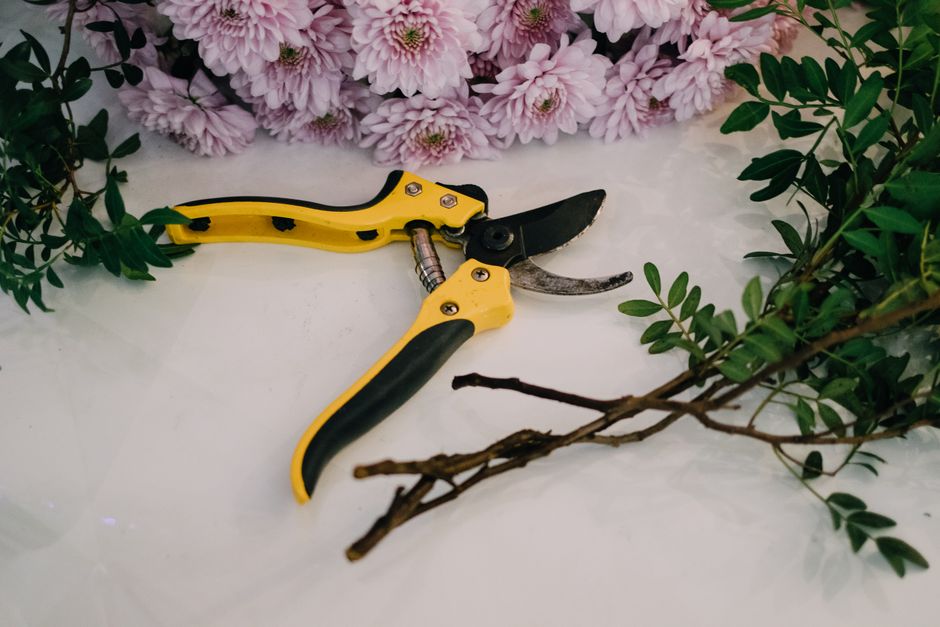
Pruning Chrysanthemums for Longer Indoor Blooms
Discover effective pruning techniques for chrysanthemums to ensure more vibrant and continuous blooms in your indoor garden.
 Plant Care
How to Grow Spinach Indoors: Fresh Leaves Year-Round
Learn how to grow fresh spinach indoors all year long, perfect for small spaces and a continuous harvest.
 Plant Care
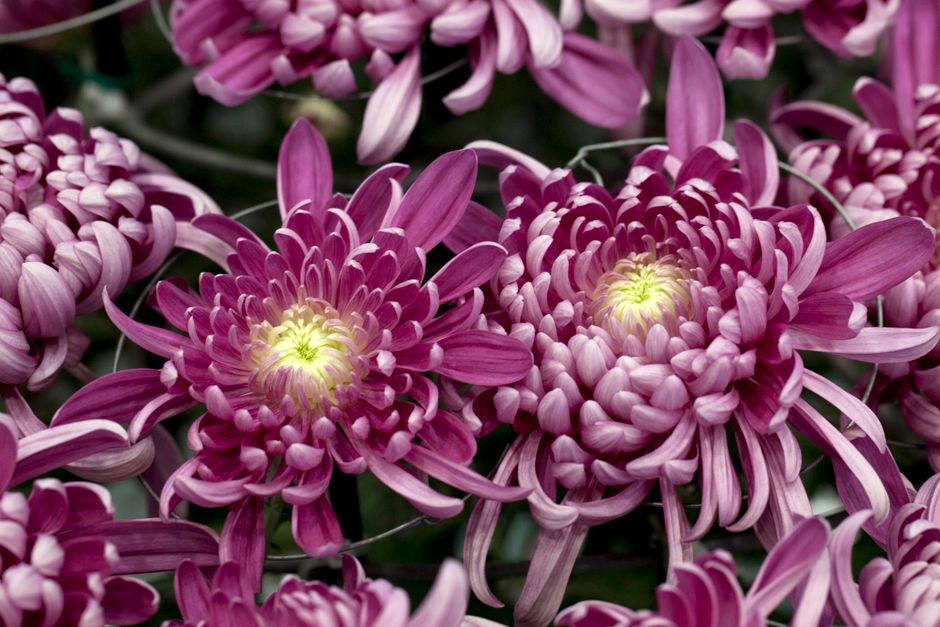
Indoor Chrysanthemum Care: Avoid This Common Mistake
Bringing chrysanthemums indoors for fall decor is popular, but many home growers make a key mistake that causes these vibrant plants to quickly decline.