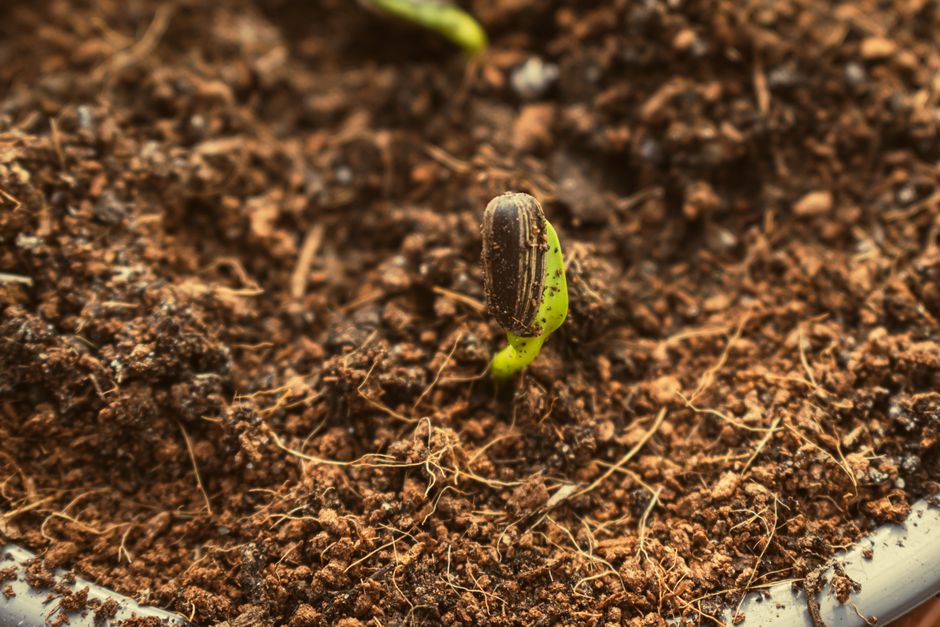
How to Grow Sunflower Microgreens at Home
Growing sunflower microgreens at home is a rewarding way to add fresh, nutrient-packed greens to your diet. Sunflower microgreens are the young seedlings of sunflower plants, harvested when they are just a few inches tall and have developed their first set of true leaves. They offer a slightly nutty, refreshing flavor and are surprisingly easy to cultivate indoors, even in small spaces.
What Supplies Do You Need to Grow Sunflower Microgreens?
To successfully grow sunflower microgreens, you will need a few essential supplies to get started. These include high-quality seeds, appropriate growing trays, a good growing medium, and a light source.
- Sunflower Seeds: Make sure to use 'black oil' sunflower seeds that are specifically marked for sprouting or microgreen use. These are typically hull-less or easily de-hulled, and free from fungicides or other treatments.
- Growing Trays: You will need two shallow trays per batch, usually 10x20 inches, with one having drainage holes and the other without. The tray without holes will act as a watering reservoir and for blackout periods.
- Growing Medium: A fine-textured, sterile potting mix or a coco coir blend works well. Avoid heavy garden soil. You want something that retains moisture but also drains well.
- Spray Bottle: For misting the seeds and young seedlings gently without disturbing them.
- Light Source: While a sunny windowsill can work, a dedicated LED grow light will give you more consistent and robust growth.
- Harvesting Tool: A sharp knife or scissors for cutting your microgreens.
Having these items ready before you begin will make the growing process much smoother.
How Do You Prepare Sunflower Seeds for Microgreens?
Preparing sunflower seeds for microgreens involves a crucial soaking step to encourage germination and soften their hard hulls. Soaking helps wake the seeds up and kickstarts the growth process, leading to more uniform sprouting.
First, measure out your seeds. For a 10x20 inch tray, about 1/2 to 3/4 cup of dry sunflower seeds is a good amount. Place the seeds in a clean bowl or container and cover them with cool, fresh water. The water level should be about 2-3 times the height of the seeds.
Let the seeds soak for 8-12 hours. You can even add a tiny splash of hydrogen peroxide (food grade) to the water to help sterilize the seeds and prevent mold issues, though this is optional. After soaking, drain the water thoroughly. Some growers like to rinse the seeds again before planting. If you notice some seeds still seem very dry or hard, you can soak them for a few more hours, but typically one soak is enough. If you're having trouble with germination, check out our guide on Why Won't My Seeds Germinate? Fix Common Issues for more tips.
What's the Best Way to Plant Sunflower Microgreens?
The best way to plant sunflower microgreens is by evenly distributing the soaked seeds over a shallow layer of growing medium. This method ensures each seed has space to germinate and grow without being overcrowded.
Start by filling your drainage tray with about 1 inch of your chosen growing medium. Gently press the medium down to create a level, firm surface. You want it to be compact enough to support the roots but not so dense that it restricts drainage. Lightly moisten the growing medium with a spray bottle until it is damp but not waterlogged.
Next, scatter your soaked sunflower seeds evenly across the surface of the growing medium. Aim for a dense layer, but try to avoid piling seeds on top of each other. You should see a single layer of seeds covering almost the entire surface. Do not cover the seeds with more soil. Instead, mist the planted seeds gently with water to ensure good seed-to-soil contact.
The Blackout Period for Sunflower Microgreens
After seeding, place the second tray (the one without drainage holes) directly on top of the planted seeds. You can even add a light weight (like a brick or a second tray filled with water) on top to provide gentle pressure. This 'blackout' or 'germination' period mimics conditions underground, encouraging the seeds to push down roots and strong stems as they search for light. Keep the trays in a warm, dark spot for 3-5 days.
During this time, check on your seeds daily. You will likely see roots emerging and the seeds beginning to sprout. If the growing medium feels dry, lift the top tray and mist the seeds gently. Ensure the environment stays consistently moist but never soggy. Once most of the seeds have germinated and the tiny shoots are pushing against the top tray, it's time to introduce them to light.
How Do I Care for Sunflower Microgreens as They Grow?
Caring for sunflower microgreens involves providing consistent moisture and adequate light to ensure robust, healthy growth. Once the blackout period is complete, move your trays to their light source.
Place your trays under a grow light or in a bright, sunny window. If using a grow light, position it according to the manufacturer's recommendations, usually a few inches above the seedlings. Proper light distance is crucial for healthy growth; learn more in our guide on LED Grow Light Distance: Perfect Placement for Healthy Plants. Provide 12-16 hours of light per day. Insufficient light can lead to leggy, weak microgreens.
Water your sunflower microgreens from the bottom. Place the drainage tray with your microgreens into the solid bottom tray. Pour about 1/2 inch of water into the bottom tray, allowing the growing medium to absorb water from below. This prevents disturbing the delicate seedlings and helps strengthen their root systems. Remove any excess water after 15-20 minutes to prevent the roots from sitting in standing water, which can lead to mold or rot. Water once a day, or as needed, ensuring the medium remains consistently moist but not waterlogged.
When and How Should I Harvest Sunflower Microgreens?
You should harvest sunflower microgreens when they have developed their first set of true leaves, which usually happens 7-12 days after planting. At this stage, they are at their peak flavor and nutritional value.
The microgreens should be 3-4 inches tall with strong, upright stems. You will see the cotyledons (the first two oval leaves) fully open, and sometimes the first pair of tiny true leaves beginning to emerge. This is the ideal time to harvest for the best texture and taste.
To harvest, use a sharp, clean knife or a pair of scissors. Grasp a small bunch of microgreens gently and cut them just above the soil line. Try to cut them as close to the soil as possible without getting any of the growing medium mixed in. Place your harvested microgreens into a bowl or container. Always wash your microgreens thoroughly before eating them to remove any lingering seed hulls or growing medium particles.
Sunflower microgreens are a 'cut and come again' crop in a limited sense. You might get a small second flush of growth if you leave the roots in the tray, but it's typically much less vigorous than the first harvest. Most growers find it more efficient to replant a fresh batch for continuous supply.
Final Thoughts
Growing sunflower microgreens is a simple yet rewarding endeavor that brings fresh, nutritious food right to your kitchen. By following these steps, you can reliably grow sunflower microgreens, adding a delicious and healthy touch to your meals. Keep experimenting with different microgreen varieties to discover your favorites. Explore more MicroVeg guides for all your indoor gardening needs.
Frequently Asked Questions
Do sunflower microgreens need light to germinate?
No, sunflower microgreens actually prefer darkness during the initial germination phase to encourage strong root development and vertical growth.
Can I eat the hulls of sunflower microgreens?
While not toxic, the hulls are tough and fibrous, so it's best to remove them before eating for a better texture and taste experience.
How long do sunflower microgreens last after harvesting?
Freshly harvested sunflower microgreens can last in an airtight container in the refrigerator for about 5-7 days, similar to other delicate greens.
What do sunflower microgreens taste like?
Sunflower microgreens have a fresh, slightly sweet, and nutty flavor with a satisfying crunch, making them a versatile addition to many dishes.
Explore More Microgreens Guides
 Microgreens
When to Harvest Microgreens: Your Guide to Perfect Timing
Learn the best time to harvest your microgreens for maximum flavor and nutrition, ensuring a perfect crop every time.
 Microgreens
Can You Regrow Pea Shoots After Harvesting?
Discover how to get multiple harvests from your pea shoots by using the right cutting technique for easy indoor growing.
 Microgreens
Easiest Microgreens to Grow: Your Quick Start Guide
Discover the easiest microgreens to grow at home with this beginner-friendly guide, perfect for quick, fresh harvests.