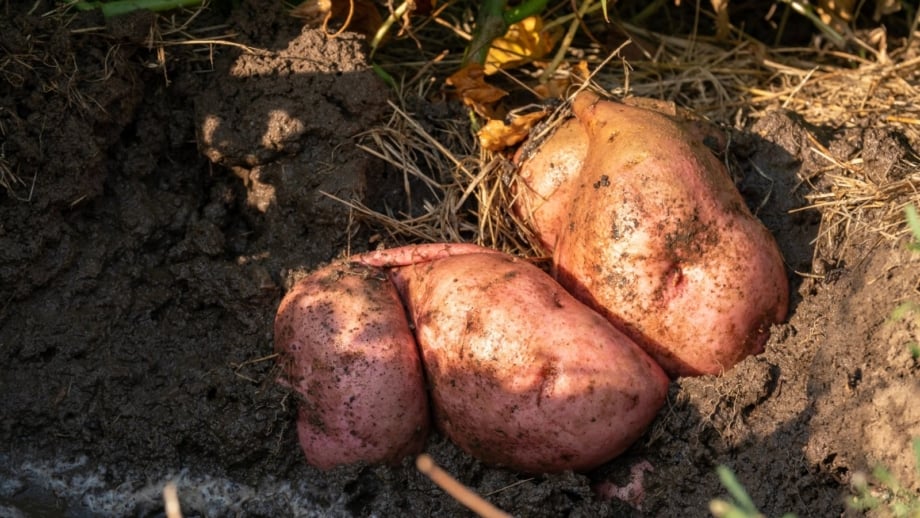
How to Grow Sweet Potatoes in Containers for Big Yields
Sweet potatoes are generous plants that yield heavy harvests even if you lack a massive backyard garden. You can easily grow sweet potatoes in containers or grow bags on a balcony, patio, or near a sunny indoor spot. With proper soil, good drainage, and regular light, you will harvest a lush batch of tasty tubers from a very compact space.
What Is the Best Container Size for Sweet Potatoes?
The best container for sweet potatoes is a fabric grow bag or plastic container that holds at least ten to fifteen gallons of potting mix. Sweet potato tubers expand deep within the soil and require ample room to swell throughout the growing season. Small containers limit root expansion, which leads to thin, woody roots rather than full, plump sweet potatoes.
Fabric grow bags work exceptionally well for root crops because the porous fabric allows air to prune the roots naturally. Air pruning prevents roots from circling the inside of the pot and encourages a dense, branched root system. If you prefer using rigid plastic or ceramic pots, make sure the container has multiple drainage holes at the bottom to prevent excess water from pooling around the roots.
Container depth is just as important as total volume. Choose a container that is at least twelve to fifteen inches deep so the roots have room to move downward. Giving the root system vertical space ensures that the tubers grow thick and straight instead of growing tangled against the pot walls.
Choosing Between Grow Bags and Rigid Pots
Fabric grow bags are lightweight, easy to move around, and collapse flat for easy storage when the growing season finishes. They also allow soil to cool down through evaporation during hot summer weather. Rigid plastic pots retain soil moisture longer, which reduces how often you need to water, but they can store excess heat if left in full sun. Both container types produce great results as long as you match your watering schedule to the material.
How Do You Start Sweet Potato Slips at Home?
You start sweet potato slips by sprouting leafy shoots directly from a mature, healthy sweet potato tuber in a warm room. Place a clean sweet potato halfway into a jar filled with water, suspended with toothpicks, or bury it partially in a shallow tray of damp potting mix. Keep the tub or jar in a bright, warm location, and green shoots called slips will sprout within two to three weeks.
Once the green shoots grow four to six inches long, gently snap them off the main tuber at the base. Place the lower stems of the detached slips into a small glass of fresh water and keep them near a warm window. Within a week, bright white roots will branch out from the base of each stem, signaling that the slips are ready to plant into your main container setup.
Starting your slips early inside gives your plants a head start before warm weather arrives. If you plan to grow indoor crops year-round, understanding seasonal changes helps keep your indoor garden on schedule. You can check our guide on whether plant hardiness zones matter for indoor gardening to optimize your indoor setup across different seasons.
How to Grow Sweet Potatoes in Containers Using Slips
To plant your slips, fill your chosen container with a loose, well-draining potting soil mix left an inch below the rim. Make a deep hole in the soil for each slip and insert the rooted stem four inches into the ground, leaving the top leaves above the surface. Firm the soil gently around the stem to support the plant and eliminate air pockets around the roots.
Space two to three slips inside a fifteen gallon container to give each plant enough room to build tubers without crowding. Planting too many slips in one container forces the vines to compete for nutrients, resulting in many small tubers rather than a yield of large, healthy sweet potatoes. Water the newly planted slips thoroughly immediately after planting to help them settle into their new soil.
Place your containers where they receive at least six to eight hours of direct sunlight daily or place them beneath high-output LED lights. If you use electric timers or lighting fixtures near your growing area, always keep power strips, cords, and timers elevated away from water runoff trays to eliminate electrical hazards. Maintain warm soil conditions throughout the foliage growth phase to encourage continuous tuber development.
Soil Mix and Nutrient Requirements
Sweet potatoes thrive in a light, airy soil mix made of peat moss or coconut coir mixed with perlite and finished compost. Avoid heavy garden soil, which compacts easily inside pots and starches root growth. Container plants need balanced, low-nitrogen fertilizer because excess nitrogen encourages lush vine growth while stifling tuber creation. Container plant care techniques, similar to those outlined in our perennial container garden guide, will help keep your soil healthy throughout the long growing season.
How Often Should You Water Container Sweet Potatoes?
Water container sweet potatoes whenever the top inch of soil feels dry to the touch, usually two to three times per week. Containers dry out much faster than ground soil, especially during warm weather or under intense indoor lights. Water deeply until liquid flows out of the drainage holes, ensuring moisture reaches the deepest roots at the base of the pot.
Keep soil moisture consistent while the vines build foliage, but avoid keeping the potting mix constantly soggy. Overwatering causes tuber rot and starves the root system of oxygen. As the harvest time approaches during late summer or early autumn, taper off watering to allow the sweet potatoes to firm up before you dig them out.
When and How Do You Harvest Sweet Potatoes from Pots?
Harvest container sweet potatoes when the leaves turn yellow in late autumn or right before cold temperatures drop below freezing. To harvest without damaging the fragile tubers, gently tip the container onto a clean tarp or plastic tray. Carefully shake loose soil away from the plant roots using your fingers or a soft brush.
Avoid digging through container soil with sharp metal trowels or shovels because any cut or nick on the tuber skin causes early spoilage. Once you untangle the tubers from the root bundle, gently wipe off loose dirt with a dry cloth. Do not wash the fresh sweet potatoes with water right after harvest, as extra skin moisture invites fungal growth during curing.
Cure your harvested sweet potatoes by storing them in a warm, dark, humid room for seven to ten days. Curing heals minor scratches on the skin and converts raw starches into natural sugars, giving the sweet potatoes their rich flavor. After curing, store the tubers in a cool, dry pantry where they will stay fresh for several months.
Final Thoughts
Learning how to grow sweet potatoes in containers allows any gardener to raise a rewarding harvest without needing a farm or large backyard. By selecting a roomy grow bag, starting healthy slips, and managing water carefully, you can enjoy rich, homemade tubers right from your balcony or patio. Explore more MicroVeg growing guides today to discover simple ways to produce fresh food at home.
Frequently Asked Questions
How many sweet potatoes can you grow in a 10-gallon container?
You can typically plant two sweet potato slips in a 10-gallon container, which usually produces around four to six healthy tubers at harvest time.
Can you grow sweet potatoes indoors with grow lights?
Yes, you can grow sweet potatoes indoors as long as you supply at least 8 to 10 hours of bright light daily using a full-spectrum LED grow light.
Why are my container sweet potatoes long and thin?
Thin tubers usually happen when the container is too small, the soil is tightly compacted, or the plant received too much nitrogen fertilizer.
Do you need to cure sweet potatoes grown in grow bags?
Yes, curing container sweet potatoes in a warm, dark place for about a week is necessary to toughen the skin and develop sweet flavor.
Explore More Plant Care Guides
 Plant Care
Pruning Chrysanthemums for Longer Indoor Blooms
Discover effective pruning techniques for chrysanthemums to ensure more vibrant and continuous blooms in your indoor garden.
 Plant Care
How to Grow Spinach Indoors: Fresh Leaves Year-Round
Learn how to grow fresh spinach indoors all year long, perfect for small spaces and a continuous harvest.
 Plant Care
Indoor Chrysanthemum Care: Avoid This Common Mistake
Bringing chrysanthemums indoors for fall decor is popular, but many home growers make a key mistake that causes these vibrant plants to quickly decline.