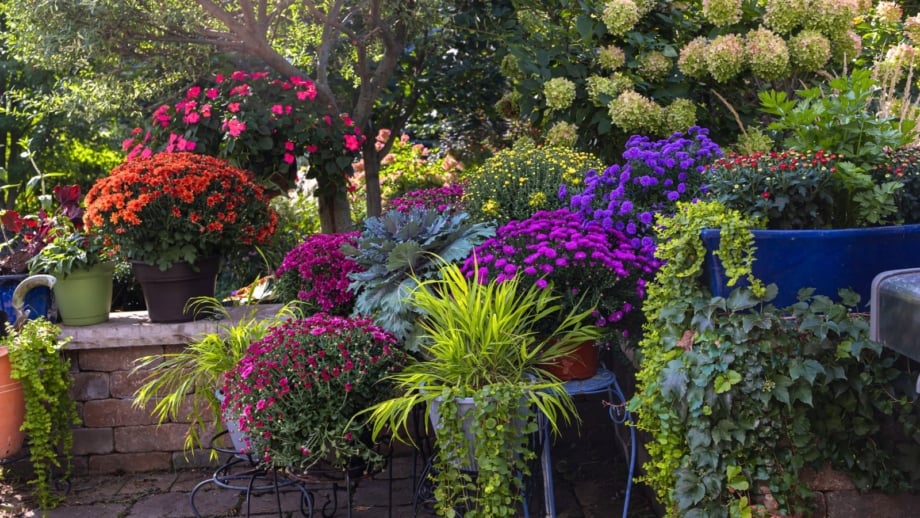
Perennial Container Garden: How to Grow Plants in Pots
You do not need a large outdoor yard to enjoy plants that return year after year. Building a perennial container garden allows you to grow lasting greenery and colorful blooms on a balcony, porch, or indoors under grow lights. Potted perennials save you money over time because you do not have to buy new seeds or starts every single spring.
With the right planter sizes, rich soil mixes, and consistent watering routines, your container garden will thrive across multiple seasons. Potted perennial setups work wonderfully for urban gardeners who want high-impact greenery without committing to a permanent garden bed. Let us review the essential steps for selecting plants, choosing containers, and keeping your perennial crops healthy year after year.
2>What Are the Best Plants for a Perennial Container Garden?The best options for a perennial container garden are compact, hardy species that adapt well to restricted root zones and fluctuating container temperatures. Look for native plants or dwarf cultivars specifically bred for patio growing and small spaces.
Culinary herbs are among the easiest perennials to grow in small planters. Thyme, mint, oregano, chives, and sage handle pot life exceptionally well and provide fresh harvests throughout the growing season. Keep aggressive spreaders like mint in their own individual pots so they do not overpower weaker companion plants in shared planters.
3>Top Flowering and Foliage ChoicesFlowering perennials bring reliable color to balconies and sunrooms without requiring annual replanting. Coneflowers, lavender, black-eyed Susans, and coral bells are durable options that handle container conditions with ease. Foliage plants like hostas and ferns thrive in shaded containers, making them ideal for indoor spots or covered patios.
If you love large, classic blooms, you can also learn about getting peonies to bloom in containers to create striking floral displays in tight spots. Selecting dwarf or slow-growing varieties ensures your plants will not outgrow their pots too quickly during their first few years.
2>How Do You Choose the Right Pots and Soil?Choose pots that feature large drainage holes and are sized at least two inches wider than the current root ball of your plant. Proper drainage prevents stagnant water from collecting at the bottom of the container, which leads to root rot and weak growth.
Material choice matters when growing perennials in pots. Terracotta containers breathe well and release excess moisture, but they freeze and crack easily in cold winter weather. Heavy-duty plastic, glazed ceramic, and fabric pots offer durability and help insulate plant roots during temperature swings.
3>Soil Requirements for Long-Term Pot CulturePerennials stay in the same pot for several seasons, so standard garden soil will not work. Garden soil compacts quickly inside containers, choking root growth and draining poorly. Instead, use a premium indoor potting mix blended with perlite, coconut coir, or vermiculite to promote aeration and moisture retention.
Before potting up your plants, check whether bagged soil is safe for indoor container gardening to make sure your medium is clean and free from pests. Adding a slow-release granular fertilizer into the potting mix during planting gives your perennials a steady supply of nutrients for their initial growth spurt.
2>How Do You Feed and Care for Potted Perennials Daily?Care for potted perennials by watering whenever the top inch of soil feels dry and supplying light feedings during the active growing season. Containers lose moisture much faster than garden beds, especially outdoors on windy days or indoors under bright lighting.
Check your pots daily during warm weather by pushing your finger into the top layer of soil. When watering, pour slowly until excess water runs out of the bottom drainage holes. This ensures the entire root mass gets hydrated while flushing out mineral salts from fertilizers.
Always keep electrical light cords, timers, and power strips elevated away from container drainage trays to prevent electrical hazards when watering indoor setups.
Apply a balanced liquid fertilizer diluted according to the instructions on the product label every two to four weeks from early spring through mid-summer. Stop fertilizing in late summer. This encourages your plants to harden off naturally before cold weather arrives rather than producing delicate new shoots late in the season.
2>How Do You Overwinter a Perennial Container Garden?Overwinter your perennial container garden by protecting the plant roots from severe freezing, insulating the pots, and reducing overall watering frequency. Roots inside containers lack the deep thermal protection of ground soil, making them vulnerable to rapid freeze-and-thaw cycles.
Move cold-sensitive pots into an unheated garage, shed, or basement once the foliage dies back in late autumn. If you live in an apartment, bring hardy potted perennials indoors near a bright window or place them beneath LED grow lights to keep them safe through winter.
3>Cold Weather Water and Root ProtectionDormant perennials still need minimal hydration during winter to keep their roots from drying out completely. Check moisture levels once or twice a month and supply just enough water to keep the potting mix slightly damp.
For outdoors on a sheltered balcony, group your pots close together against an insulated wall. Wrap the containers in burlap, bubble wrap, or heavy frost cloth to cushion the root zones against sudden temperature drops. Unpack and prune away dead foliage early in the spring as soon as new green shoots start pushing through the soil.
2>What Common Mistakes Should You Avoid?Avoiding simple container gardening mistakes saves you time and protects your perennial investment. Here are key practices to keep your container garden healthy across seasons:
- Avoid planting in pots without drainage holes, as sitting water rots perennial root systems quickly.
- Do not let perennials get severely root-bound; repot or trim roots every two to three years.
- Avoid heavy synthetic fertilizers late in autumn, which forces unwanted growth before winter dormancy.
- Do not let container soil dry out completely during winter dormancy periods.
- Avoid using heavy native topsoil in pots because it compacts and restricts airflow around plant roots.
Maintaining a perennial container garden gives you continuous beauty and reliable fresh harvests year after year with minimal replanting. By choosing hardy plant varieties, supplying rich soil, and protecting roots during seasonal transitions, your potted garden will stay healthy and vibrant. Explore more MicroVeg guides to master container gardening, lighting setups, and urban crop care today!
Frequently Asked Questions
Can perennials live in containers permanently?
Yes, many perennials can live in pots for several years if given adequate pot space, fresh soil updates, and proper winter root protection.
Do container perennials need special fertilizer?
Potted perennials benefit from regular feedings during the spring and summer using a balanced liquid fertilizer applied per label directions.
How often should you repot container perennials?
Most potted perennials need repotting every two to three years to refresh compacted soil and offer roots room to expand.
Can you keep a perennial container garden indoors year-round?
You can keep perennials indoors year-round if you provide sufficient light with supplemental grow lamps and account for natural dormancy needs.
Explore More Plant Care Guides
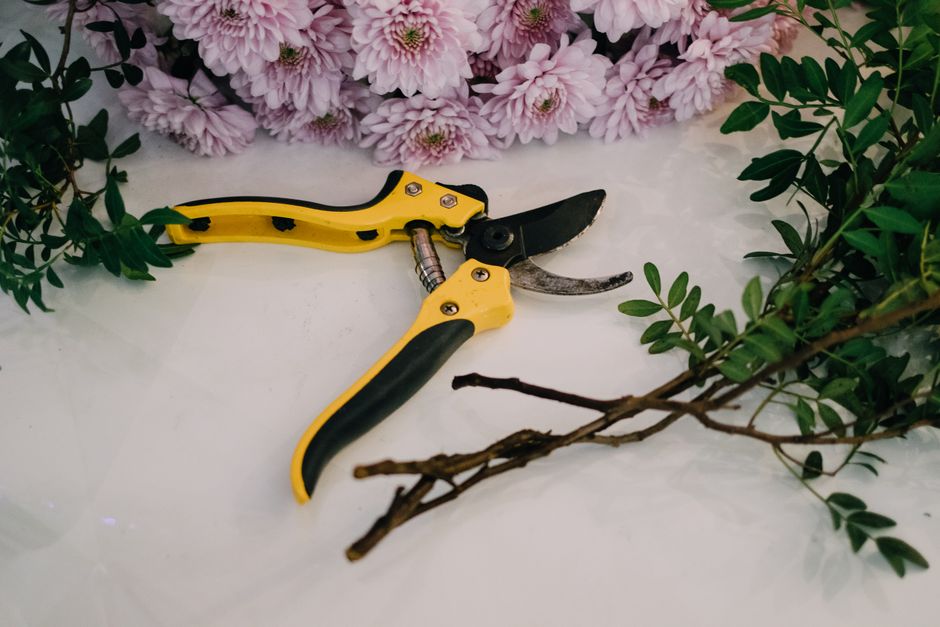 Plant Care
Pruning Chrysanthemums for Longer Indoor Blooms
Discover effective pruning techniques for chrysanthemums to ensure more vibrant and continuous blooms in your indoor garden.
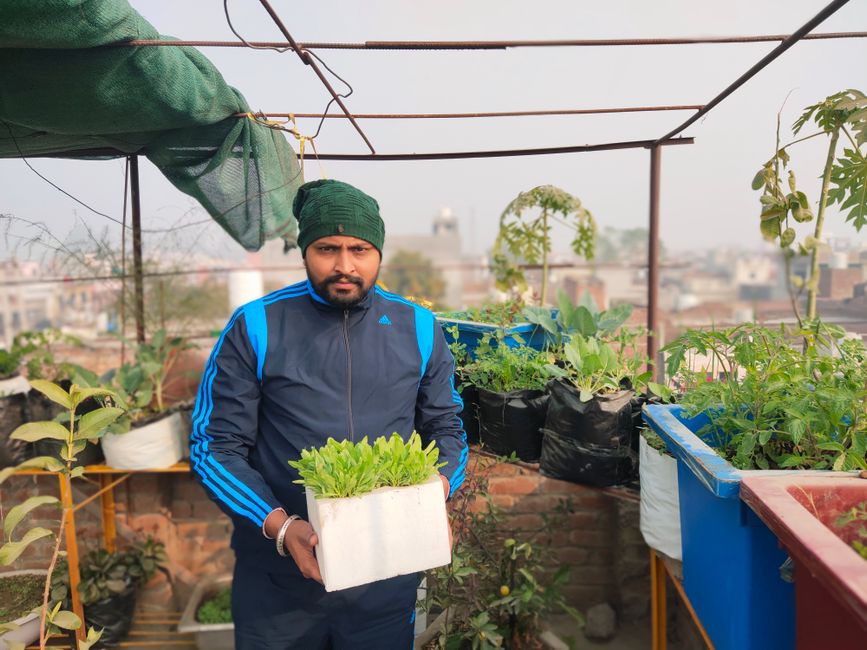 Plant Care
How to Grow Spinach Indoors: Fresh Leaves Year-Round
Learn how to grow fresh spinach indoors all year long, perfect for small spaces and a continuous harvest.
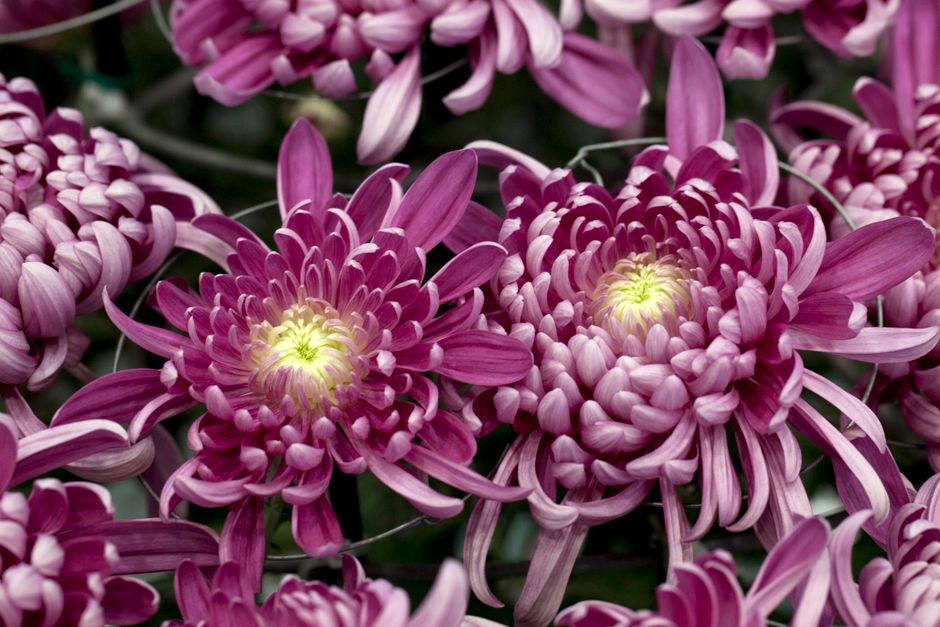 Plant Care
Indoor Chrysanthemum Care: Avoid This Common Mistake
Bringing chrysanthemums indoors for fall decor is popular, but many home growers make a key mistake that causes these vibrant plants to quickly decline.