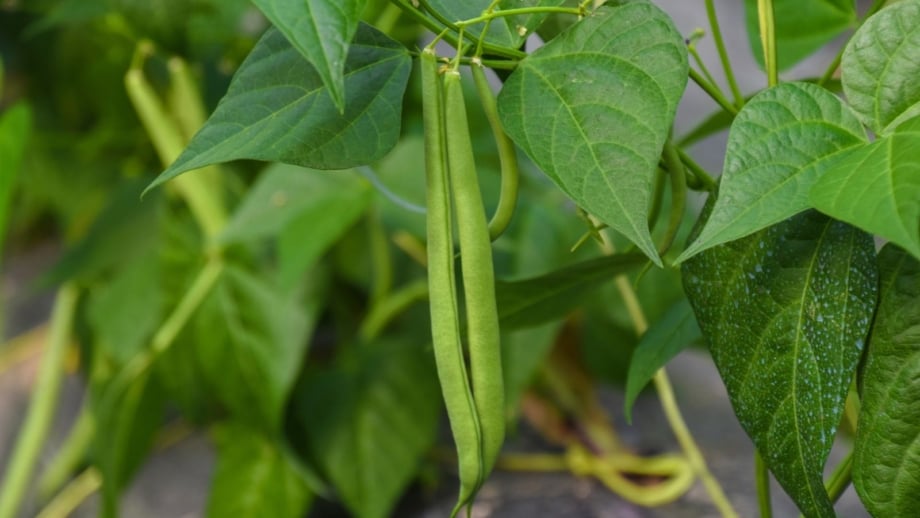
How to Grow Beans Indoors: A Simple Beginner Guide
Beans are among the easiest edible crops you can cultivate inside your living space or on a sunny balcony. Learning how to grow beans indoors allows you to pick crisp, tender pods throughout the year without owning a backyard garden. With proper lighting, suitable containers, and simple plant care, your indoor setup will yield a steady harvest of nutritious green beans.
Should You Grow Bush Beans or Pole Beans Indoors?
Bush beans are the top choice for indoor growers because they remain short, bushy, and self-supporting throughout their lifecycle. They grow to a manageable size, usually between twelve and twenty inches, and produce their full crop over a concentrated period of several weeks.
Pole beans grow along climbing vines that need vertical trellises, strings, or netting for support. While pole beans require a tall setup, they continue yielding fresh pods over a longer season, making them great if you have vertical space next to a sunny window or light stand.
Choosing Compact Bush Beans in Pots
Growing bush beans in pots is ideal for tight quarters. They fit neatly on tables, shelves, or small plant stands under artificial lights. Bush varieties do not demand tall stakes or overhead wiring, which keeps your indoor arrangement neat and easy to manage.
Managing Pole Beans Small Spaces Style
When growing pole beans small spaces require clever vertical planning. Pole beans can reach six feet or taller if given room to climb. If you choose pole varieties, install a sturdy trellis, bamboo teepee, or wall-mounted netting inside your planter before seeding. Guiding the vines upward helps maximize your harvest in tight footprints.
How to Grow Beans Indoors in Pots and Containers
To plant beans in pots, select a container with proper drainage holes and fill it with a well-draining potting soil mixture or lightweight coco coir. Container depth is essential for healthy root systems, so choose a pot at least eight inches deep for bush beans and ten to twelve inches deep for pole beans.
Make sure your growing medium remains loose and airy so roots can access plenty of oxygen. Heavy garden soil compacts too easily in containers, which stalls growth and encourages root issues. A quality indoor potting blend mixed with perlite works well for container bean culture.
Follow these basic steps when planting your bean seeds:
- Fill your container with moist potting mix, leaving about an inch of space below the rim.
- Plant bean seeds about one inch deep into the soil mix.
- Space bush bean seeds four inches apart, or plant three to four pole bean seeds around a vertical trellis support.
- Water the medium gently to settle the soil around the seeds without washing them away.
- Place the pot in a warm area to encourage fast, consistent germination.
How Much Light Do Indoor Beans Need?
Indoor bean plants require six to eight hours of direct sunlight or twelve to fourteen hours under artificial grow lights daily to produce flowers and set pods. Without enough light, bean stems grow long, weak, and thin, resulting in small harvests or dropped blossoms.
If you lack a bright south-facing window, full-spectrum LED grow lights are an effective solution. Position your LED panels a few inches above the tops of the plants and adjust the height as the vines grow taller. Always keep electrical timers, power strips, and light ballasts dry and elevated away from water spills when watering your containers.
How Do You Care for Indoor Beans as They Grow?
Proper indoor bean plant care involves maintaining consistent moisture, supplying mild balanced plant food, and encouraging pollination inside your home. Indoor environments lack natural wind and outdoor insects, so gentle hand intervention helps set fruit successfully.
Water your potted bean plants whenever the top inch of soil feels dry to the touch. Avoid letting the soil dry out completely, as drought stress causes flowers to drop off prematurely. Overwatering can be equally damaging, so ensure extra water drains freely out of the bottom of the pot.
If you enjoy container gardening with fast-producing crops, you might also like our guide on Best Container Cucumber Varieties for Small Spaces for more quick options. You can also explore our tutorial on Perennial Container Garden: How to Grow Plants in Pots to expand your indoor food production.
Feeding Indoor Beans Properly
Beans convert nitrogen from the air with the help of beneficial soil microbes, meaning they require very little nitrogen fertilizer. Applying too much nitrogen leads to lush leafy foliage with very few actual bean pods. Use a balanced, mild liquid fertilizer at half strength once flowers appear to support heavy pod production.
Hand Pollinating Indoor Bean Flowers
Although green beans are self-pollinating, gentle motion helps transfer pollen inside the blossoms. Indoors, where there is no breeze, gently tap or shake the main stems of your flowering bean plants once every day. Alternatively, run a small electric fan on a low setting near your setup to circulate air and improve pollination rates naturally.
When and How Should You Harvest Indoor Bean Pods?
Timing your container bean harvesting correctly ensures you pick pods when they are long, firm, and crisp, but before the seeds inside bulge noticeably through the outer skin. Picking your crop at this young, tender stage delivers the best flavor and texture for cooking.
Regular harvesting prompts the plant to produce continuous flushes of new flowers and pods over several weeks. Use clean scissors or small pruners to snip the pod stems off the plant without tearing the main branches.
Here are essential harvesting tips for top quality indoor beans:
- Check your plants every two days once pod formation begins, as beans grow rapidly.
- Pick pods when they are roughly the thickness of a standard pencil.
- Snip pods carefully using sharp shears rather than pulling them off by hand.
- Eat fresh beans immediately or store them in a crisp, dry container in your refrigerator.
How to Fix Problems When Growing Beans Indoors
Growing beans inside avoids many outdoor garden pests, but indoor growers can still encounter minor challenges like spider mites, fungus gnats, or powdery mildew. Poor air movement and stagnant damp soil are the main triggers for fungal issues on leaves.
Inspect the undersides of leaves weekly for tiny spider mites or pale spots. Increasing air circulation around your containers and letting the top surface layer of soil dry out slightly between waterings keeps most indoor pests and fungal diseases at bay naturally.
Final Thoughts
Learning how to grow beans indoors gives you a simple, continuous way to enjoy homegrown crisp green beans regardless of outdoor weather or space limits. By providing adequate light, appropriate pot sizes, and steady moisture, your small container setup will thrive inside your home. Explore our other MicroVeg guides to discover more clever strategies for indoor gardening and compact crop production.
Frequently Asked Questions
How long do beans take to grow indoors?
Most bush bean varieties mature in 50 to 60 days from seed, while pole beans take around 60 to 70 days. Indoor growing with steady warmth and grow lights can speed up growth slightly.
Do indoor bean plants need full sun?
Indoor beans need full sun equivalent, requiring at least six to eight hours of direct sunlight daily or twelve to fourteen hours under standard LED grow lights.
Can you grow beans indoors in winter?
Yes, you can grow beans indoors during winter as long as you provide artificial grow lighting and keep temperatures warm near room temperature.
How big of a container do I need for indoor beans?
Bush beans require a container that is at least eight inches deep, while climbing pole beans thrive best in pots that are ten to twelve inches deep.
Explore More Plant Care Guides
 Plant Care
Pruning Chrysanthemums for Longer Indoor Blooms
Discover effective pruning techniques for chrysanthemums to ensure more vibrant and continuous blooms in your indoor garden.
 Plant Care
How to Grow Spinach Indoors: Fresh Leaves Year-Round
Learn how to grow fresh spinach indoors all year long, perfect for small spaces and a continuous harvest.
 Plant Care
Indoor Chrysanthemum Care: Avoid This Common Mistake
Bringing chrysanthemums indoors for fall decor is popular, but many home growers make a key mistake that causes these vibrant plants to quickly decline.