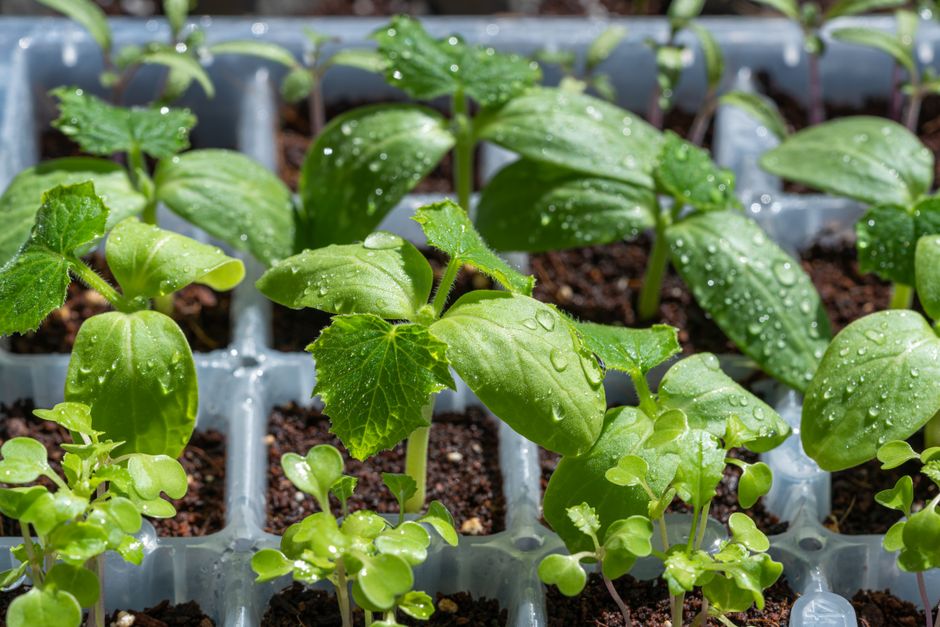
How to Harden Off Seedlings: Your Easy MicroVeg Guide
You’ve nurtured your tiny seedlings indoors, watching them sprout and grow strong under your grow lights. Now, with warmer weather approaching, it’s almost time for them to experience the great outdoors. But before you just plop them outside, there's a crucial step called hardening off seedlings. This process is how you gradually introduce your young plants to the harsher outdoor environment, protecting them from transplant shock and preparing them for a successful life in your garden beds or outdoor hydroponic systems.
Hardening off is essential for any plant started indoors that you plan to move outside permanently. It helps your plants adapt to direct sunlight, wind, cooler temperatures, and fluctuating humidity. Skipping this step can lead to stunted growth, burnt leaves, or even the death of your tender plants. With a little patience and this guide, you’ll have robust seedlings ready for their new adventure.
Why Should You Harden Off Seedlings?
You should harden off seedlings to prevent a phenomenon known as transplant shock, which occurs when delicate indoor-grown plants are suddenly exposed to the elements. Indoor environments are typically stable, with consistent temperatures, filtered light, and no wind.
The outdoor world, however, is a much harsher place. Direct sunlight is more intense than even the strongest grow light, and it can scorch tender leaves. Wind can physically damage stems and dry out plants quickly. Fluctuating temperatures, cooler nights, and sudden rain showers are also big changes your seedlings aren't used to.
By gradually acclimatizing your plants, you help them develop stronger cell walls and a thicker cuticle, which is their protective outer layer. This prepares them to better withstand environmental stresses, pests, and diseases, ensuring they continue to grow vigorously once planted out.
When Is the Best Time to Start Hardening Off?
The best time to start hardening off your seedlings is about one to two weeks before you plan to transplant them permanently outdoors, making sure the danger of the last frost has completely passed for your area. This gives your plants enough time for a gentle transition without rushing.
Before you begin, check your local forecast for the upcoming week or two. You want a stretch of mild weather with no extreme temperatures, heavy winds, or unexpected frosts. Your seedlings should also be healthy and well-established, with at least two sets of true leaves, indicating they are ready for the challenge.
How Do You Harden Off Seedlings?
You harden off seedlings by gradually exposing them to outdoor conditions over a period of 7 to 14 days, slowly increasing their time outside and the intensity of their exposure. This slow introduction helps them build resilience without overwhelming their system.
Step-by-Step Hardening Off Process
Follow these steps to guide your seedlings from indoor comfort to outdoor readiness:
- Day 1-3: Shade and Short Exposure. On the first day, choose a warm, overcast day if possible. Place your seedlings in a sheltered, shady spot outdoors for just one to two hours. This could be under a porch, a large tree, or a shaded patio. Bring them back inside. Repeat this for the next two days, gradually increasing their time outside by an hour or so each day, but always keeping them in the shade.
- Day 4-7: Partial Sun and Longer Exposure. Begin moving your plants to a location that receives a few hours of direct morning sun, which is less intense. Increase their time outside to three to four hours a day, still bringing them in at night. Ensure they are protected from strong winds.
- Day 8-10: More Sun and Most of the Day. Place your seedlings in a spot that gets five to six hours of direct sun. They can stay out for most of the daylight hours, but continue to bring them in at night, especially if nighttime temperatures are still cool.
- Day 11-14: Full Sun and Overnight Stays. If the weather is consistently mild and nighttime temperatures are above 50°F (10°C), your plants can start staying out overnight. Gradually move them into their final planting location, or a spot that mimics its sun exposure, for full days and nights. This is the final preparation before permanent planting.
Throughout this entire process, pay close attention to watering. Wind and sun can dry out potting mix much faster than indoor conditions. Check the soil moisture daily and water as needed. Also, keep an eye on the weather; if a sudden cold snap or severe storm is predicted, bring your seedlings indoors for protection. Remember to keep electrical timers and pumps, especially for any outdoor hydroponic setups, well away from water spills to prevent hazards.
What Are the Signs of Transplant Shock?
The signs of transplant shock in seedlings include wilting, yellowing or browning leaves, stunted growth, or a general droopy appearance, indicating stress from their new environment. These symptoms can appear almost immediately after an abrupt outdoor transition or develop over a few days.
If you notice your seedlings showing these signs during the hardening off process, don't panic. Immediately move them back to a more protected, shadier spot, or even indoors for a day or two. Give them a gentle watering if the soil is dry. Once they recover, resume the hardening off process at an earlier stage, taking it even slower this time.
Preventing transplant shock is much easier than trying to fix it. A slow, thoughtful hardening off period is your best defense. You want to see your plants looking perky and healthy, not stressed, as they prepare for their permanent outdoor home.
Final Thoughts
Hardening off seedlings is a vital step for any indoor gardener transitioning plants to an outdoor environment. By following a gradual, step-by-step process, you can prevent transplant shock and ensure your young plants are strong and ready to thrive. This small investment of time will pay off with healthier, more productive plants in your garden. For more tips on growing healthy plants indoors and out, be sure to explore our other MicroVeg guides!
Frequently Asked Questions
How long should you harden off seedlings?
You should harden off seedlings over a period of 7 to 14 days, gradually increasing their exposure to outdoor conditions.
Can you skip hardening off plants?
Skipping the hardening off process can lead to severe transplant shock, causing wilting, leaf burn, stunted growth, or even the death of your seedlings.
What temperature is too cold for hardening off?
Nighttime temperatures consistently below 50°F (10°C) are generally too cold for most seedlings during the hardening off process, especially in the early stages.
Do all indoor plants need hardening off?
Only indoor-started plants that you plan to move permanently outdoors need to be hardened off. Houseplants staying indoors do not require this process.
Explore More Plant Care Guides
 Plant Care
Pruning Chrysanthemums for Longer Indoor Blooms
Discover effective pruning techniques for chrysanthemums to ensure more vibrant and continuous blooms in your indoor garden.
 Plant Care
How to Grow Spinach Indoors: Fresh Leaves Year-Round
Learn how to grow fresh spinach indoors all year long, perfect for small spaces and a continuous harvest.
 Plant Care
Indoor Chrysanthemum Care: Avoid This Common Mistake
Bringing chrysanthemums indoors for fall decor is popular, but many home growers make a key mistake that causes these vibrant plants to quickly decline.