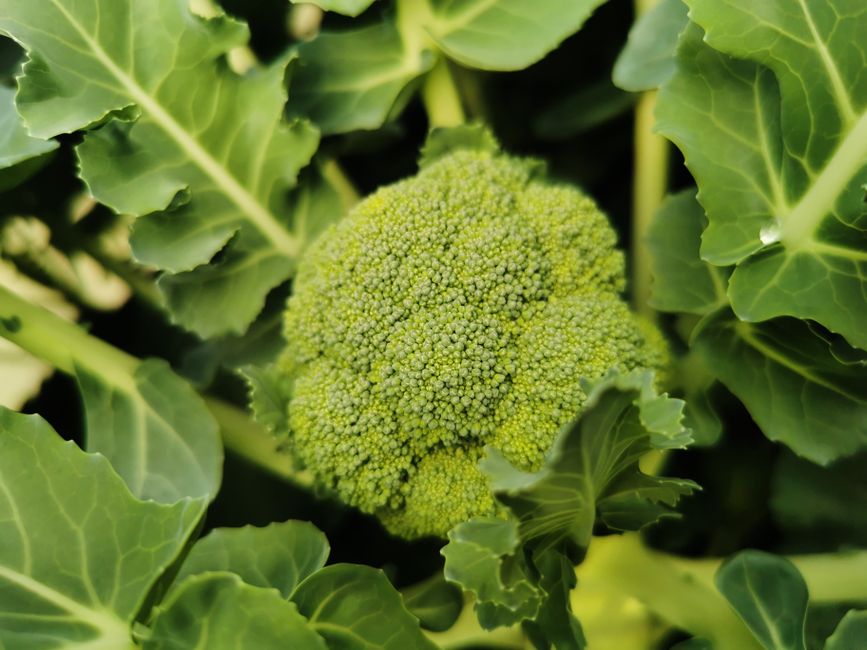
How to Harvest Broccoli Microgreens: Easy Guide
Broccoli microgreens are some of the easiest and most nutritious greens you can grow on a windowsill or under grow lights. Learning how to harvest broccoli microgreens at the right moment gives you the best tender texture and mild, fresh flavor. In this guide, you will learn practical harvesting techniques, smart storage tips, and simple steps to keep your indoor harvests clean and healthy.
When Is the Best Time to Harvest Broccoli Microgreens?
You should harvest broccoli microgreens when the first set of leaves, known as cotyledons, are fully open and vibrant green. This usually happens seven to fourteen days after planting, depending on room temperature, humidity, and light exposure.
Look closely at your crop before cutting. The two seed leaves should appear smooth, firm, and fully opened into a soft heart shape. Sample a stem or two starting around day seven to test the flavor. Harvest when the stems taste mild and slightly nutty. If you wait too long, true leaves will sprout from the center stem, making the greens woody, tough, and slightly bitter.
Watch for visual signs that your tray is reaching peak maturity. If the leaves start turning pale or yellow near the base, your crop might be overcrowded or running low on stored seed energy. Harvest immediately if you see leaf yellowing to preserve the crisp texture and fresh taste. If you also grow water-based crops indoors, read our guide on using tap water for hydroponics to keep your indoor water clean and safe for edible plants.
What Tools Do You Need to Cut Microgreens Cleanly?
You only need a few simple kitchen or garden tools to harvest your microgreens cleanly. Sharp tools are essential because dull blades crush delicate stems, releasing liquid that speeds up spoilage during storage.
Gather these basic supplies before you start harvesting your tray:
- Sharp kitchen shears, bonsai snips, or dedicated microgreen harvesting scissors
- Clean paper towels or a fresh, lint-free cloth kitchen towel
- An airtight glass jar or plastic food storage container
- A clean, dry tray or cutting board to catch cut stems
- A soft brush or gentle touch to remove remaining seed hulls
Always wash and sanitize your scissors with hot water and dish soap before cutting your crops. Clean tools stop bacteria and mold spores from transferring onto fresh plant tissues. Food safety is essential when handling fresh greens, so wash your hands thoroughly and keep your countertop clean throughout the process.
How to Harvest Broccoli Microgreens Step by Step
To harvest broccoli microgreens, hold a small bundle of stems gently near the top leaves and cut straight across using sharp scissors. Cut about half an inch above the soil or growing medium line to avoid pulling dirt into your clean harvest.
Work across your seed tray systematically in small, manageable sections. Tilt the tray slightly toward your cutting hand if possible, allowing gravity to roll the cut stems cleanly onto your collection tray. Gentle handling protects tender stems from bruising.
Avoid top-watering your microgreen tray right before you intend to harvest. Wet leaves cling together and encourage rot in storage containers. Allow the soil surface to dry out slightly before cutting so the harvested foliage remains completely dry.
Place each cut bundle gently onto a dry towel or clean tray. Do not pack stems tightly or press them down, because bruised plant tissues release sap that invites spoilage bacteria.
It is best to harvest your greens during the cool morning hours or before indoor grow lights turn off. Plants maintain higher water pressure inside their stems during these periods, helping cut greens stay crisp longer in the fridge.
How to Cut Without Pulling Up Soil
Angle your scissors completely horizontal to the growing media surface to make clean cuts. Hold the tips of the leaves with just enough support to guide them without pulling upward on the stems.
If you pull upward while clipping, the shallow roots lift out of the coconut coir or potting soil. Dirt particles and stubborn seed hulls cling to the cut bases, making cleaning frustrating and ruining the overall quality of your harvest.
How Should You Store Harvested Broccoli Microgreens?
You should store harvested broccoli microgreens in an airtight glass jar or plastic container lined with a dry paper towel inside your refrigerator. Cold, stable conditions keep cut microgreen stems crisp and fresh for up to two weeks.
Moisture control is the single most critical factor in extending shelf life. Humidity trapped inside a closed container causes delicate leaves to break down and turn slimy within a few days. Placing a dry paper towel at the bottom absorbs excess condensation while maintaining high humidity around the stems.
Check on your stored greens every few days. If you notice heavy condensation inside the container or if the paper towel feels wet, replace it with a fresh dry paper towel. Keep the container in the crisper drawer of your fridge, far away from cooling vents where freezing temperatures might damage tender leaves. If you love growing fresh food indoors, check our guide on best hydroponic plants for beginners to expand your home garden setup.
Should You Wash Microgreens Before Storing Them?
You should not wash broccoli microgreens before putting them in cold storage. Residual water trapped between small leaves creates high mold risks and speeds up decay inside your container.
Keep your harvested greens completely dry until you are ready to prepare a meal. Wash small portions in a bowl of cold, clean water right before serving, then dry them gently with a paper towel or a small salad spinner.
Will Broccoli Microgreens Grow Back After Cutting?
Broccoli microgreens will not grow back after you harvest them because cutting removes the primary growing tip of the plant stem. Once cut, the remaining stem and root system cease growth and will naturally decompose.
Unlike crops like green onions or cut-and-come-again lettuce, broccoli greens produce only one stem per seed. Once harvested, the life cycle for that individual plant ends entirely.
After harvesting your crop, remove the spent root mat and growing media from your tray. Add the organic waste to your outdoor compost bin or dispose of it properly. Wash and sanitize your seed trays with soap and warm water before planting your next batch. Sowing a new seed tray every week keeps a steady, continuous supply of fresh microgreens growing on your windowsill.
Final Thoughts
Knowing how to harvest broccoli microgreens at peak maturity keeps your indoor produce crisp, mild, and packed with nutrients. With clean cutting scissors and proper dry storage techniques, you can enjoy fresh homegrown greens every day. Explore our other MicroVeg guides to discover more simple indoor growing tips and expand your small-space garden.
Frequently Asked Questions
Can you eat broccoli microgreen roots?
Yes, broccoli microgreen roots are edible, but most growers avoid eating them because they are fibrous and hard to clean. Trimming stems above the root line provides much better texture and taste.
Why are my broccoli microgreens falling over before harvest?
Broccoli microgreens fall over mainly due to underwatering, overwatering, or insufficient lighting that causes weak stems. Keeping the soil evenly moist and providing bright light prevents stems from drooping.
What do harvested broccoli microgreens taste like?
Harvested broccoli microgreens taste mild, fresh, and slightly nutty with a pleasing crunch. They are much milder than mature raw broccoli heads or spicy radish microgreens.
How do you remove seed hulls from broccoli microgreens?
Gently brush your hand over the top of the leaf canopy when stems open or blow lightly across the tray before harvesting. Loose hulls fall off easily without damaging tender leaves.
Explore More Microgreens Guides
 Microgreens
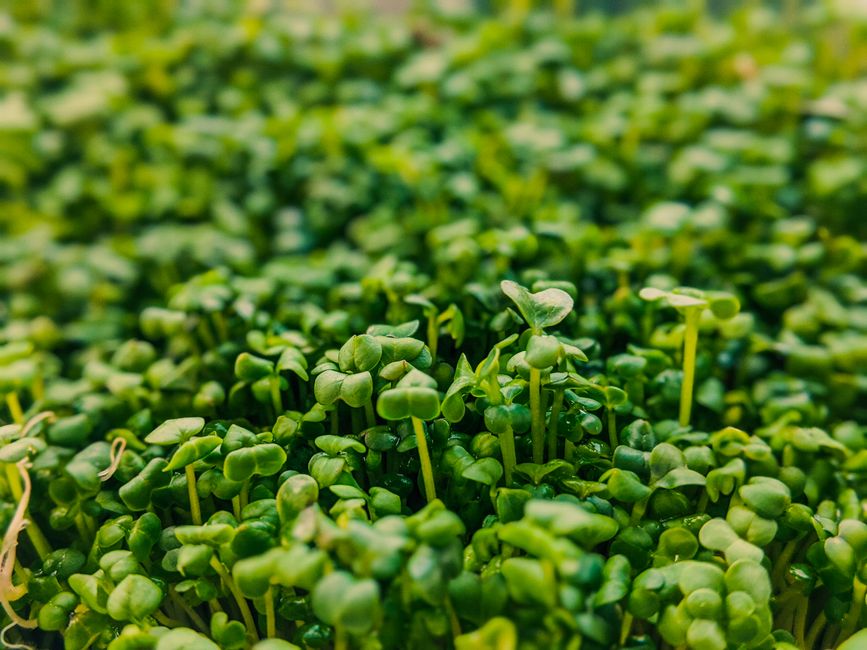
When to Harvest Microgreens: Your Guide to Perfect Timing
Learn the best time to harvest your microgreens for maximum flavor and nutrition, ensuring a perfect crop every time.
 Microgreens
Can You Regrow Pea Shoots After Harvesting?
Discover how to get multiple harvests from your pea shoots by using the right cutting technique for easy indoor growing.
 Microgreens
Easiest Microgreens to Grow: Your Quick Start Guide
Discover the easiest microgreens to grow at home with this beginner-friendly guide, perfect for quick, fresh harvests.