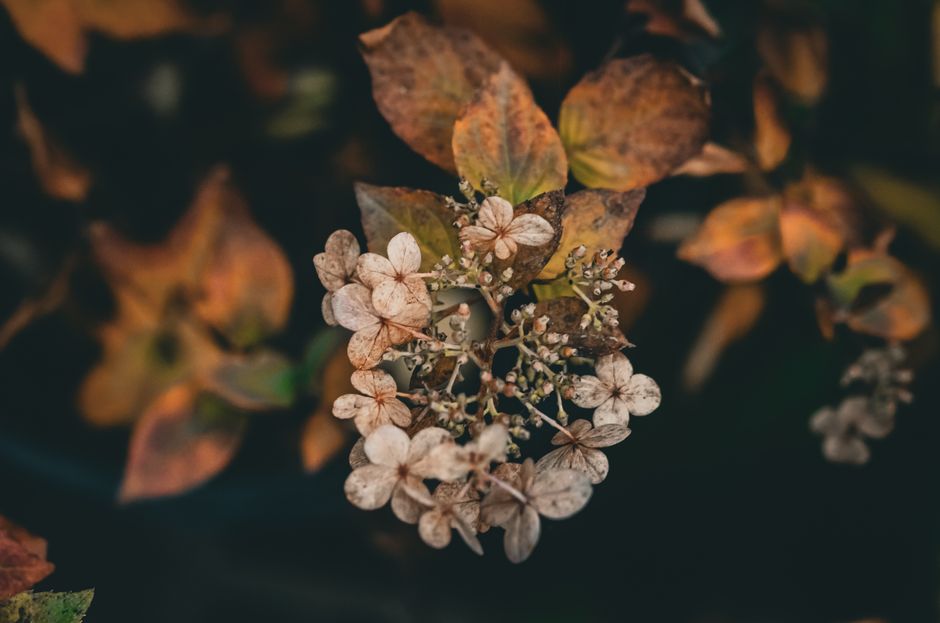
Hydrangea Leaves Turning Brown: 6 Causes and Fixes
Seeing hydrangea leaves turning brown can ruin the look of your favorite patio pot or indoor container plant. Don't panic, because most foliage issues in container hydrangeas trace back to a few fixable mistakes. Here is how to diagnose the problem quickly and bring your plant back to health.
Is Improper Watering Causing Brown Hydrangea Leaves?
Hydrangea leaves turn brown and crisp when soil stays too dry, while overwatering turns leaves soft and brown due to root rot. Striking the right moisture balance in pots takes consistent care because small containers lose water much faster than garden beds.
Hydrangeas are thirsty plants that require steady soil moisture to keep their leaves firm and green. When you skip a watering, the plant pulls water from its leaf tips first to keep the main roots alive. This survival mechanism causes the edges of the leaves to turn brown, dry, and paper-thin.
On the flip side, overwatering is just as damaging for potted hydrangeas. When potting soil stays completely soaked, oxygen cannot reach the roots. The roots turn dark and mushy, preventing them from taking up moisture or nutrients. As a result, the leaves turn brown and soft, often dropping off the plant entirely.
How to Check Container Soil Moisture
Insert your finger two inches deep into the potting mix to check moisture levels before adding water. If the soil feels dry at that depth, water thoroughly until you see liquid flowing out of the bottom drainage holes. Always empty the saucer under your pot after watering so the roots do not sit in stagnant water.
Can Sunburn Turn Hydrangea Foliage Brown?
Intense direct sun burns delicate hydrangea foliage, turning the tops of leaves brown, bleached, and brittle. While hydrangeas need light to fuel foliage growth and blooms, harsh afternoon sunlight is too intense for container plants.
Potted plants heat up faster than in-ground plants because the potting soil gets warm from all sides. High temperatures combined with direct sunlight cause foliage to scorch rapidly. Scorch marks usually start as light brown or tan patches in the center or tips of upper leaves exposed directly to the sun.
If your container sits on a bright balcony or patio, move it to a location that gets gentle morning sun and afternoon shade. If you grow hydrangeas indoors under LED grow lights, raise your light fixture or dim the intensity if leaf tops show pale brown discoloration.
How Do Fungal Diseases Cause Brown Spots on Leaves?
Fungal infections like leaf spot create circular brown spots on hydrangea leaves that slowly expand across the foliage over time. Damp leaves and stagnant air create ideal conditions for fungal spores to land and multiply.
Fungal leaf spot usually begins as small purple or dark brown spots on lower leaves. As the disease spreads, these spots grow into larger brown patches with yellow halos around them. Severely infected leaves eventually turn completely brown and drop off.
To stop fungal spots, always apply water directly to the soil surface rather than spraying the foliage. Keep your plants in a spot with gentle air circulation so wet leaves dry quickly. Clean up any fallen leaves around the base of the pot immediately to remove spores.
Pruning Damaged Foliage Safely
Remove heavily spotted leaves to keep fungal spores from spreading to fresh growth. Use sharp, clean snips for clean cuts that heal fast without crushing stems. You can pick up durable tools designed for indoor plants, such as those featured in our guide on Japanese gardening tools for indoor and small space growers.
Always wipe your blades with rubbing alcohol between cuts to prevent spreading disease. Keep your pruning shears and water bottles away from power cords and grow light ballasts to stay safe while working in tight indoor plant setups.
Is Fertilizer Burn Damaging Your Hydrangea Leaves?
Excess fertilizer causes salt accumulation in container soil, which draws moisture out of roots and turns leaf tips brown. Container hydrangeas need balanced nutrients, but overfeeding quickly damages sensitive root systems.
Synthetic fertilizers contain mineral salts. Over time, these salts build up inside closed container environments. High salt levels burn root tips, preventing the plant from absorbing water efficiently. Leaf edges will turn dark brown or black, looking dry even when the soil is wet.
You can spot fertilizer burn by looking for a white crust on top of the potting mix. Flush the container thoroughly with clear water to leach out excess mineral salts. Allow water to drain out the bottom for several minutes, then stop feeding for two to three weeks until the plant recovers. Follow the lower recommended dosage on your fertilizer bottle during active growth.
Are Cramped Roots Causing Foliage Distress?
A root-bound hydrangea cannot absorb enough water and nutrients, leading to stressed foliage and brown leaf margins. As root systems fill the pot, less soil remains to hold moisture, causing the plant to dry out rapidly.
When roots fill every inch of space, they wrap tightly around the inside of the container. The plant struggles to take in nutrients, resulting in slow growth, yellowing leaves, and brown edges. You may notice water pouring straight through the pot without soaking in.
Slide the plant out of its pot to inspect the root ball. If you see a tight mass of roots circling the outside, repot into a container that is two inches wider. While outdoor gardeners follow seasonal calendars, indoor container growers should consider how do plant hardiness zones matter for indoor gardening when shifting potted hydrangeas between outdoor balconies and indoor winter spaces.
Do Drafts and Heat Spikes Scorch Leaves?
Sudden temperature changes and dry air currents pull moisture out of leaves, causing leaf tips to turn brown and crisp. Hydrangeas thrive in stable humidity and moderate temperatures.
Indoor potted hydrangeas placed near air conditioning vents, space heaters, or drafty windows experience rapid moisture loss from their leaves. Outdoor container hydrangeas exposed to hot, dry winds suffer similar leaf edge browning.
Position your container plant in a sheltered spot away from direct drafts. If indoor air is dry, place a small humidifier nearby or group your container plants together to raise relative humidity around the leaves naturally.
Final Thoughts
Preventing hydrangea leaves turning brown comes down to balancing moisture, protecting plants from hot sun, and providing room for healthy root growth. Watching for early signs of stress allows you to correct watering and light issues before leaves sustain major damage. Check out our other indoor container guides on MicroVeg to keep all your potted plants growing strong!
Frequently Asked Questions
Should I cut off brown hydrangea leaves?
Yes, trim leaves that are mostly brown or infected with fungal spots using clean shears to help the plant redirect energy to healthy growth.
Can brown hydrangea leaves turn green again?
No, brown parts of a leaf are dead tissue and will not turn green again, so focus on adjusting care to protect new leaves.
How often should you water a potted hydrangea?
Water whenever the top two inches of potting soil feel dry to the touch, making sure water drains freely from the bottom.
Why are my indoor hydrangea leaf tips turning crispy?
Crispy leaf tips usually point to low air humidity, dry potting soil, or salt accumulation from excess fertilizer.
Explore More Plant Care Guides
 Plant Care
Pruning Chrysanthemums for Longer Indoor Blooms
Discover effective pruning techniques for chrysanthemums to ensure more vibrant and continuous blooms in your indoor garden.
 Plant Care
How to Grow Spinach Indoors: Fresh Leaves Year-Round
Learn how to grow fresh spinach indoors all year long, perfect for small spaces and a continuous harvest.
 Plant Care
Indoor Chrysanthemum Care: Avoid This Common Mistake
Bringing chrysanthemums indoors for fall decor is popular, but many home growers make a key mistake that causes these vibrant plants to quickly decline.