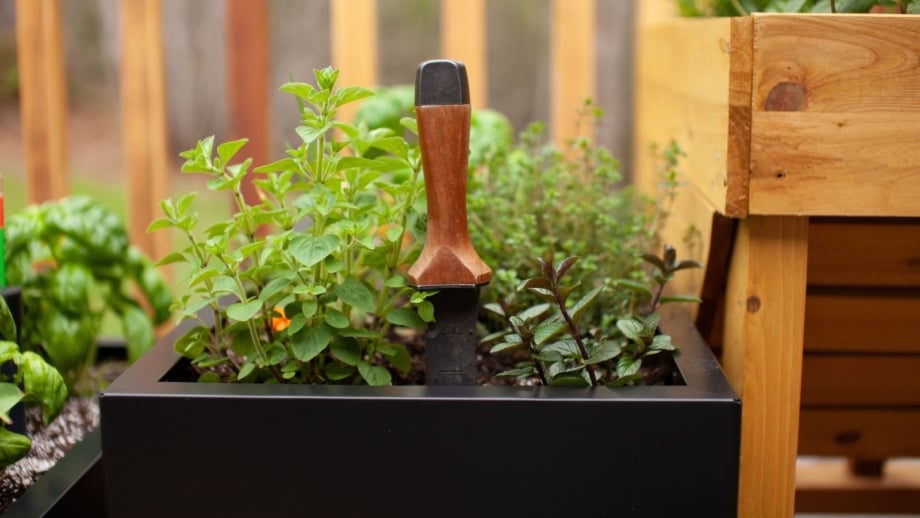
Japanese Gardening Tools for Indoor and Small Space Growers
If you want precise, reliable gear for your indoor setup, Japanese gardening tools offer incredible durability and thoughtful design. These specialized implements were developed centuries ago for careful hand cultivation in small plots, making them perfect for modern apartment growers, hydroponic enthusiasts, and container gardeners. Adding a few key Japanese tools to your kit makes daily plant care cleaner, faster, and much more practical.
What Are the Best Japanese Gardening Tools for Small Spaces?
The best Japanese gardening tools for small spaces include the hori hori knife, sentei basami pruning shears, fine bonsai snips, and compact weeding kamas. Each implement serves a distinct purpose, replacing bulky plastic equipment with sharp carbon steel crafted for control in tight growing environments.
Indoor growers frequently struggle with oversized equipment made for large outdoor backyards. Big shovels, massive loppers, and wide rake attachments are impractical when working with small desktop planters, shallow microgreen trays, or compact indoor grow tents. Japanese hand tools prioritize ergonomic wooden handles, long-lasting edge retention, and balanced weight distribution. That means you can trim roots, repot herbs, and harvest fresh greens without spilling soil or water across your floor.
For hydroponic growers, Japanese scissors are especially helpful when trimming roots or harvesting microgreens from growing mats. Traditional wide pruners often crush delicate net pots or damage nearby stems. Small Japanese snips allow you to isolate single stems or trim root tangles precisely where needed.
When selecting gear for indoor use, blade materials make a noticeable difference in performance. Traditional high-carbon steel blades stay sharp far longer than inexpensive stainless steel, though they require simple care like wiping away moisture after use. Using high-grade steel guarantees clean stem cuts, which helps prevent plant stress and reduces the chance of indoor fungal issues.
How Do You Use a Hori Hori Knife in Indoor Container Gardening?
A hori hori knife is a versatile soil knife that combines a deep scoop blade, a sharp straight edge, a serrated saw edge, and clear depth measurements. In container gardening, you can use it to slice around root-bound pot edges, mix loose potting substrates, and check seed depth without switching between different tools.
When growing houseplants, indoor herbs, or container vegetables, potting media can become dense and compacted over time. A hori hori knife slides down the inside edge of a pot to separate root balls smoothly from plastic or ceramic walls. You can also use the serrated edge to cut through thick, tangled roots when dividing overcrowded plants or refreshing spent container mix. If you wonder whether is bagged soil safe for indoor container gardening, using a clean soil knife allows you to incorporate fresh soil amendments evenly without compacting your potting mix.
Why Root Trimming and Soil Scooping Need a Soil Knife
Root trimming is essential when keeping potted crops healthy in small containers. Standard kitchen scissors crush soft plant tissues, but a heavy steel knife severs overgrown roots cleanly during repotting. The slightly curved metal surface also functions as a sturdy trowel for shifting soil into narrow pots without creating a mess.
Here are key container tasks a hori hori knife simplifies:
- Freeing tightly bound root structures away from container walls during repotting.
- Scooping measured amounts of potting mix directly into small seed starter trays.
- Sawing through dense root clumps when dividing overgrown container perennials.
- Measuring exact seed placement depths using etched millimeter markings on the blade.
Which Japanese Shears Work Best for Pruning Indoor Plants and Harvesting Microgreens?
Bonsai trimming scissors and sentei basami pruning shears are ideal for indoor plant care, offering unmatched precision when trimming dense stems or harvesting delicate microgreens. These specialized shears feature slender tips and comfortable finger loops that let you reach deep inside tight canopies without damaging nearby leaves.
For microgreen trays, indoor herbs, and hydroponic greens, fine Japanese snips turn harvesting into a clean, effortless process. Dull household scissors pinch plant stems, which bruises tissue and causes quick wilting. Sharp Japanese carbon steel slices cleanly through stems, preserving plant cell walls. This keeps harvested greens crisp longer in refrigerator storage while helping living plants recover quickly after pruning.
When growing fruiting crops indoors under artificial lights, precision pruning is equally vital. For example, when growing the best container cucumber varieties for small spaces, precise Japanese shears allow you to trim non-productive side shoots and aging lower leaves easily. Opening up the plant structure improves air circulation under your LED grow light setup, keeping humidity low and stems healthy.
Maintaining Sharp Blades for Clean Cuts
Because sharp Japanese steel blades cut quickly, basic tool safety and maintenance are essential habits. Always store sharp knives and shears in protective sheaths away from children, and take care when working near electrical lines. Ensure grow light power cords and pump cords are kept completely clear of your clipping zone so blades never snag electrical wires.
Proper care for your Japanese shears involves simple, quick steps:
- Wipe sticky sap and plant juice off the steel blades immediately after harvesting.
- Dry the metal completely before putting tools away to prevent surface rust.
- Apply a single drop of plant-safe oil or mineral oil to the blade pivot regularly.
- Keep your tools stored indoors in a dry drawer or hanging tool organizer.
How Can Japanese Hand Hoes Help Keep Small Planters Clean?
A Japanese nejiri kama, or angled hand hoe, cleans potting surfaces and clears away surface moss, algae, or hardened soil crusts in small container pots. Its angled blade rests flat against the topsoil, letting you slice away unwanted growth with minimal force.
Indoor container pots and balcony planters often build up white mineral crusts or unwanted algae from consistent top watering. Standard garden hoes are much too wide for potted plants, but a compact Japanese hand hoe fits neatly inside small containers. Gliding the thin steel blade across the topsoil breaks up hard crusts and improves airflow down to the upper root zone.
When working with small seed trays or indoor herb gardens, keeping soil aerated prevents anaerobic conditions from setting in around roots. Using a small hand hoe to gently scrape soil edges allows oxygen to reach plant roots without disturbing fragile stems. Rather than digging deep and pulling up feeder roots, the angled blade works strictly across the top layer of substrate. This light surface cultivation ensures liquid fertilizer and fresh water absorb evenly across the entire root zone during routine watering.
Why Should Indoor Growers Choose Traditional Japanese Tool Craftsmanship?
Indoor growers should choose traditional Japanese tools because they combine durable high-carbon steel, natural wood handles, and functional designs tested over centuries of small-scale farming. Replacing flimsy plastic gadgets with well-made Japanese hand tools gives you better control over delicate trimming, soil preparation, and harvesting tasks.
Rather than buying disposable tools that bend under pressure or dull after a single season, reliable steel tools stay sharp for years with minimal care. Their balanced feel in your hand makes detailed plant maintenance feel simple and effortless. Investing in a few multipurpose Japanese tools simplifies ongoing plant care across all your indoor growing environments. Whether you manage microgreen racks, indoor hydroponic channels, or balcony container gardens, high-quality hand tools keep your plants healthy and your workspace tidy.
Final Thoughts
Adding authentic Japanese gardening tools to your indoor growing kit gives you the precision, comfort, and control required for small-space success. From scooping potting soil to harvesting crisp microgreens, these sharp hand tools turn routine maintenance into a smooth, enjoyable process. Check out our other MicroVeg guides to discover more practical methods for growing fresh crops indoors.
Frequently Asked Questions
Are Japanese gardening tools safe to use for indoor hydroponic plants?
Yes, Japanese pruning shears and snips work exceptionally well for hydroponics because their sharp blades cut plant stems and roots cleanly without crushing soft tissues. Always clean blades after use to keep nutrient solutions free from bacteria.
How do you clean carbon steel Japanese gardening tools?
Wipe off soil, sap, and moisture with a clean cloth immediately after every use. Apply a light drop of mineral oil or camellia oil to the blade to protect high-carbon steel from rust.
What makes a hori hori knife different from a standard trowel?
A hori hori knife features a curved blade with sharp straight and serrated edges, plus depth markings, while a traditional trowel only scoops soil. This multi-purpose design lets you scoop soil, cut root balls, and measure planting depths with one tool.
Can you sharpen Japanese pruning shears at home?
Yes, you can sharpen Japanese shears using a fine whetstone or dedicated blade sharpener. Slide the stone along the original blade bevel at a shallow angle to restore a razor-sharp edge.
Explore More Plant Care Guides
 Plant Care
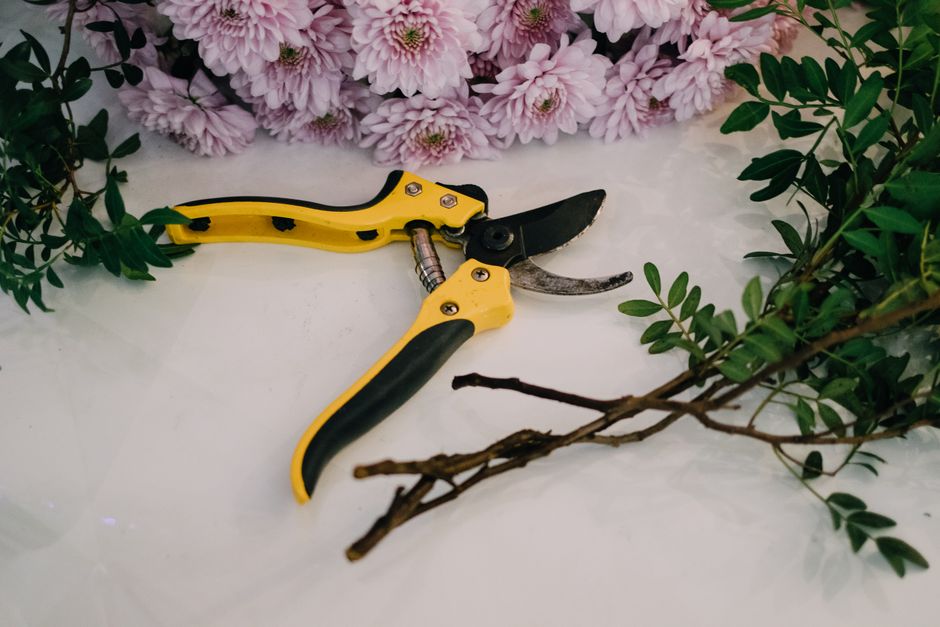
Pruning Chrysanthemums for Longer Indoor Blooms
Discover effective pruning techniques for chrysanthemums to ensure more vibrant and continuous blooms in your indoor garden.
 Plant Care
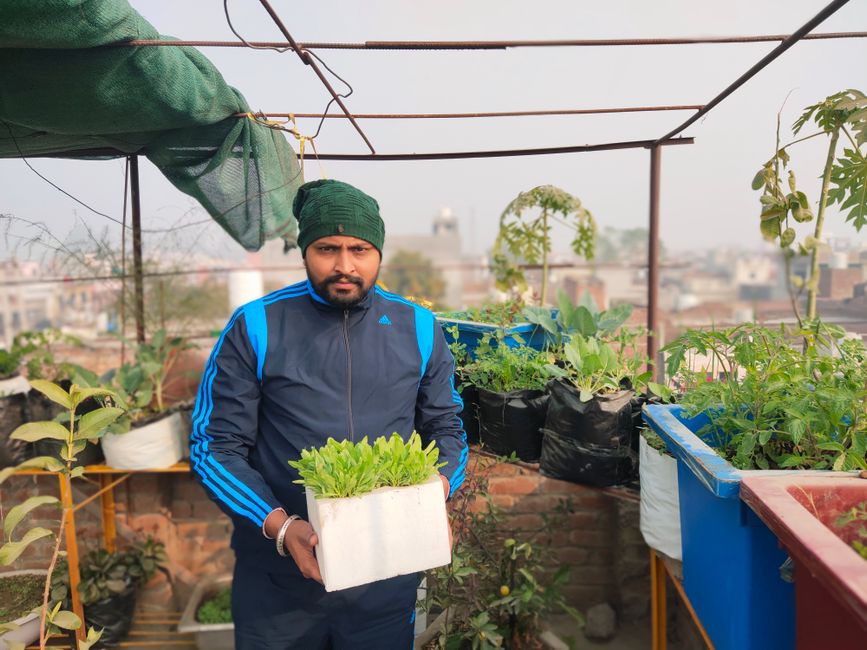
How to Grow Spinach Indoors: Fresh Leaves Year-Round
Learn how to grow fresh spinach indoors all year long, perfect for small spaces and a continuous harvest.
 Plant Care
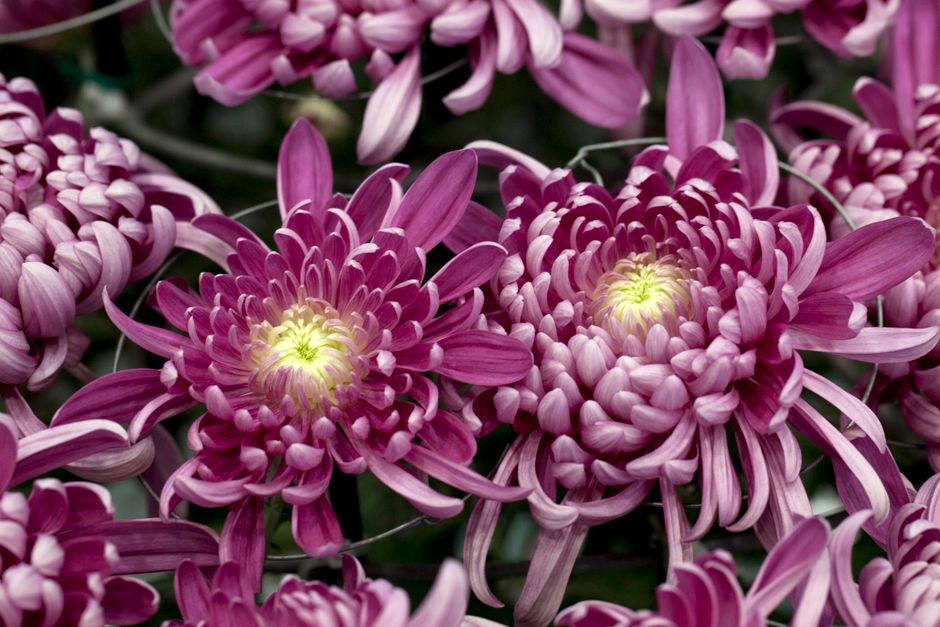
Indoor Chrysanthemum Care: Avoid This Common Mistake
Bringing chrysanthemums indoors for fall decor is popular, but many home growers make a key mistake that causes these vibrant plants to quickly decline.