Indoor Garden Winter Prep: Key Tasks for Home Growers
Even if your garden is indoors, the change of seasons still brings a natural shift in focus. Preparing your indoor garden for winter involves a few thoughtful steps to ensure your plants stay healthy and your system runs smoothly during colder, shorter days. This seasonal preparation includes tasks like thorough cleaning, equipment checks, and smart harvesting decisions, setting you up for continued success.
When Should You Start Preparing Your Indoor Garden for Winter?
You should begin preparing your indoor garden for winter as soon as you notice changes in outdoor temperatures or daylight hours, typically in late fall. This proactive approach helps you address any potential issues before they become bigger problems for your indoor plants.
For those with outdoor container plants they plan to bring inside, aim to transition them before nighttime temperatures consistently drop below 50°F (10°C). Bringing them in too late can stress plants or introduce pests that have sought refuge from the cold.
Even for fully indoor, hydroponic setups, cooler ambient temperatures in your home can affect water temperature and plant growth. Being aware of these environmental shifts allows you to adjust your routine and nutrient solutions accordingly.
What Plants Should You Harvest or Transition Indoors?
Before winter fully sets in, focus on harvesting mature indoor crops and deciding which plants to keep, prune, or replace. This helps clear space, redirect energy, and prevent old plants from becoming pest havens.
For microgreens, this is an excellent time to re-evaluate your growing schedule and seed varieties. You might want to try new, faster-growing types or simply harvest any remaining trays to make way for fresh starts.
If you have larger herbs or leafy greens that have been productive for a long time, consider giving them a good prune to encourage new growth. Or, if they're past their prime, it might be time to remove them entirely and start new seedlings. This can be a great opportunity to transplant new seedlings indoors for a fresh winter harvest.
Bringing Outdoor Plants Inside for Winter
If you're moving outdoor container plants indoors, inspect them thoroughly for pests first. Look carefully under leaves, in soil, and along stems for any hitchhikers like aphids, spider mites, or fungus gnats.
Give the plant a good rinse, especially the undersides of leaves, and consider repotting with fresh, sterile potting mix if it's a soil plant. For hydroponic plants moved from outdoor exposure, a thorough cleaning of the root system and replacement of nutrient solution is vital to prevent algae or outdoor pathogens from entering your indoor system.
How Do You Clean and Sanitize Your Hydroponic System?
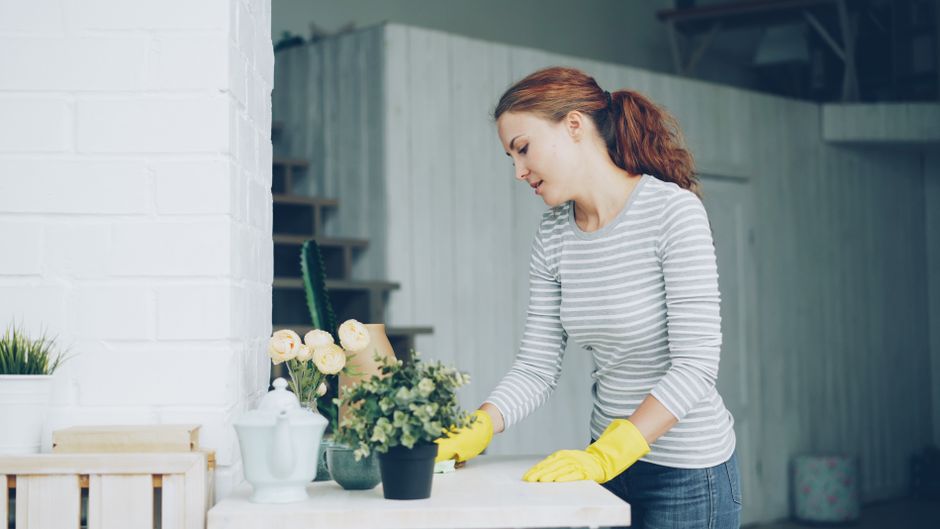
Thoroughly cleaning and sanitizing your hydroponic system is one of the most important winter prep tasks to prevent algae, bacterial growth, and disease, ensuring healthy plants for your next growing cycle. This involves emptying reservoirs, scrubbing components, and rinsing everything with a mild sanitizing solution.
Start by fully draining your reservoir. Discard the old nutrient solution responsibly. Then, remove all grow trays, net pots, and pumps. Use a soft brush or cloth to scrub away any visible algae, mineral deposits, or plant debris from the reservoir, tubing, and grow trays. A diluted hydrogen peroxide solution or a specialized hydroponic system cleaner can be very effective for sanitizing.
Rinse all components thoroughly with clean water after cleaning to remove any residual cleaning agents. Reassemble your system only when everything is completely clean and dry. Regular water changes throughout the growing season also contribute to a cleaner system. Learn more about how often you should change hydroponic water to maintain peak conditions.
What Equipment Checks Are Essential for Winter Growing?
Checking your grow lights, pumps, and other equipment is essential for reliable indoor gardening during winter, when natural light is scarce. Ensure everything is in good working order to support plant growth through shorter, darker days.
- Grow Lights: Inspect your LED grow lights for any flickering, dimming, or dirt accumulation. Dust or mineral deposits on light lenses can reduce their effectiveness. Gently wipe down light fixtures with a soft, dry cloth. Confirm your LED grow light schedule is still appropriate for the plants you're growing, as some plants may benefit from slightly longer light periods during winter months.
- Pumps and Timers: Check that your hydroponic pump is operating efficiently and isn't clogged. Clean any filters or impellers. Test your electrical timers to ensure they are accurately switching lights and pumps on and off. Always ensure electrical components like timers and pumps are kept away from water spills to prevent hazards.
- Monitoring Tools: Calibrate your pH meter and EC/TDS meter. These tools are critical for maintaining the correct nutrient balance in your hydroponic reservoir, and their accuracy can drift over time. Replace batteries if needed.
How Can You Prevent Pests and Plan for Your Next Crops?
Preventing pests and planning your next crops are crucial steps in indoor garden winter prep, setting the stage for a healthy and productive growing season ahead. A little foresight can save you a lot of trouble later.
Even without bringing outdoor plants inside, indoor spaces can develop pest issues. Regularly inspect your plants for early signs of pests. A sticky trap can help monitor for flying insects like fungus gnats. Maintain good air circulation around your plants, as stagnant air can encourage fungal issues. Consider an occasional preventative spray with neem oil solution if you've had past pest problems, focusing on the undersides of leaves.
Use the quieter winter months to plan your next growing cycles. Think about what you want to grow, which varieties perform best in your setup, and how you can optimize your space.
- Consider the light requirements of different plants and group them accordingly under your grow lights.
- Review your seed inventory and order new seeds for spring.
- Think about experimenting with new microgreen varieties or different hydroponic systems.
Final Thoughts
Taking the time for indoor garden winter prep ensures your plants remain robust and your systems stay efficient as the seasons change. These proactive steps mean less stress for you and more vibrant growth from your indoor garden. We hope these tips help you grow successfully all year round. Explore more MicroVeg guides for continued inspiration!
Frequently Asked Questions
Is winter growing harder indoors?
Not necessarily, but reduced natural light means you might need to adjust your grow light schedules and pay closer attention to plant health.
How often should I clean my indoor hydroponic system during winter?
Aim to clean your hydroponic system thoroughly every 2-4 weeks, or whenever you change your nutrient solution, to prevent algae and pathogen buildup.
Can I bring any outdoor plant inside for winter?
While many outdoor container plants can transition indoors, always inspect them thoroughly for pests and disease before bringing them inside to protect your existing indoor garden.
What are the main benefits of winter prepping my indoor garden?
Winter prepping helps maintain plant health, prevents pest and disease issues, ensures your equipment functions optimally, and sets you up for a successful next growing cycle.
Explore More Plant Care Guides
 Plant Care
Joe Pye Weed: Grow This Tall Beauty in Your Small Space
Bring the tall, pollinator-attracting beauty of Joe Pye Weed to your balcony, patio, or bright indoor space with these container gardening tips.
 Plant Care
Transplant Seedlings Indoors: Grow Stronger Plants
Give your indoor seedlings the best start by learning the right way to transplant them for robust growth and abundant harvests.
 Plant Care
Pruning Chrysanthemums for Longer Indoor Blooms
Discover effective pruning techniques for chrysanthemums to ensure more vibrant and continuous blooms in your indoor garden.