Joe Pye Weed: Grow This Tall Beauty in Your Small Space
Many home growers dream of lush gardens, even when space is limited to a balcony, patio, or a bright sunroom. If you've dismissed the idea of growing larger, impactful plants, think again. MicroVeg is all about making gardening accessible, no matter your footprint.
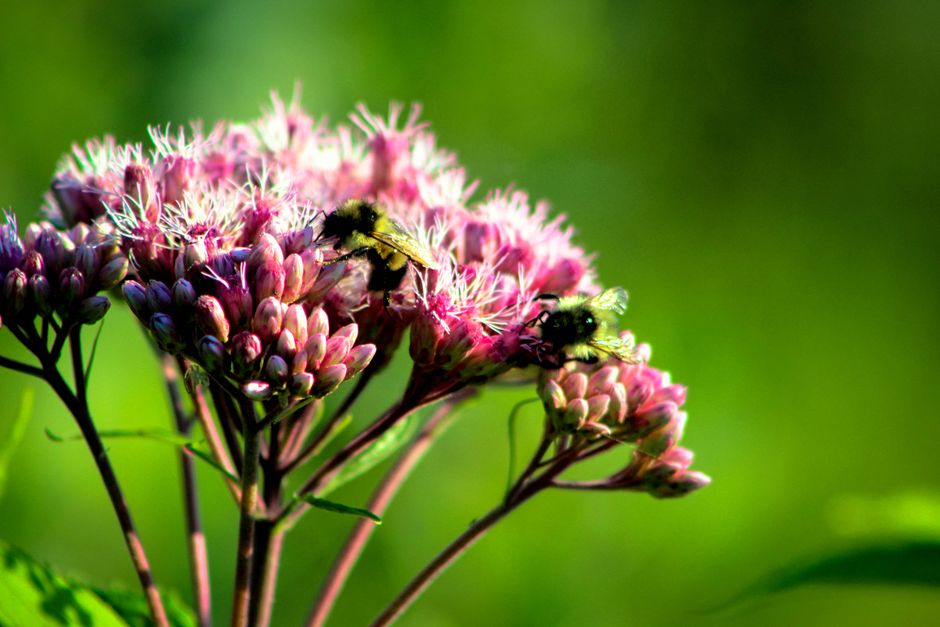
Joe Pye Weed, a majestic native perennial, is known for its towering height and beautiful, dusty-rose flower clusters. Traditionally found in large outdoor gardens, this plant can absolutely find a happy home in your small-space setup, attracting beneficial insects and adding dramatic flair.
Let's explore how to cultivate this impressive plant in containers, bringing its unique charm and ecological benefits right to your urban oasis.
Why Should You Consider Growing Joe Pye Weed in a Small Space?
You should consider growing Joe Pye Weed because it offers significant visual impact and ecological benefits, even when space is limited. This plant is a true showstopper, providing height and structure that can transform a compact area into a vibrant garden.
Its tall, sturdy stems topped with large, domed flower clusters create a striking vertical element. This adds depth and interest to any balcony or patio garden. It’s perfect for breaking up the monotony of smaller container plants.
Joe Pye Weed is also a magnet for pollinators. Even a single plant in a container on your balcony can attract bees, butterflies, and other beneficial insects. This helps support local ecosystems and gives you a front-row seat to nature.
Despite its size, it’s a relatively low-maintenance plant once established. It’s quite resilient and can tolerate various conditions, making it a rewarding choice for busy home growers.
Can You Grow Joe Pye Weed Indoors or in Containers?
Yes, you can successfully grow Joe Pye Weed in containers on a balcony, patio, or in a very bright sunroom, though it's less suited for typical indoor hydroponic setups due to its size and light needs. The key is choosing the right variety and providing adequate care.
Most Joe Pye Weed varieties can reach heights of 4 to 7 feet, which makes them challenging for small indoor spaces unless you have a dedicated sunroom or greenhouse. However, dwarf varieties are becoming more available. Look for cultivars like 'Little Joe' or 'Baby Joe', which typically grow to a more manageable 3-5 feet.
When selecting a container, size matters. A large, sturdy pot at least 18-24 inches in diameter and depth is essential to accommodate its extensive root system and provide stability. Ensure the container has excellent drainage holes to prevent waterlogging, which can be fatal to the roots.
For soil, use a high-quality potting mix that drains well but also retains some moisture. A good blend might include compost for nutrients and perlite for aeration. Avoid heavy garden soil, which can compact in containers.
Essential Care for Container-Grown Joe Pye Weed
Caring for container-grown Joe Pye Weed involves diligent attention to light, water, nutrients, and pruning to ensure a healthy, flourishing plant. These steps help it thrive in a confined space.
Light and Water Requirements
Joe Pye Weed needs plenty of sunshine to produce its best blooms. Aim for at least 6 hours of direct sunlight per day. On a balcony or patio, this usually means a south or west-facing spot. If growing in a sunroom, place it near the brightest window available. While it tolerates some partial shade, too little light will result in leggy growth and fewer flowers. For truly low-light indoor areas, you might need to supplement with powerful LED grow lights, though this is less common for such large plants.
Container plants dry out much faster than those in the ground, so consistent watering is crucial. Check the soil moisture daily by sticking your finger about an inch or two deep. If it feels dry, water thoroughly until it drains from the bottom of the pot. Joe Pye Weed prefers consistently moist soil but not waterlogged conditions. During hot spells, you might need to water twice a day. Remember to always keep electrical timers and pumps away from water spills to prevent accidents.
Nutrient Needs and Pruning
Since container plants have limited access to nutrients, regular feeding is important. Use a balanced liquid fertilizer every 2-4 weeks during the growing season, following the dosage instructions on your chosen nutrient bottle. Alternatively, you can incorporate a slow-release granular fertilizer into the potting mix at the beginning of the season.
Pruning is key to managing the size and shape of Joe Pye Weed in containers. In early spring, before new growth fully emerges, you can cut back the previous year's stems to about 6-12 inches from the ground. This encourages a bushier habit and more flowers. You can also pinch back the growing tips in early summer to reduce overall height and promote branching, similar to pruning chrysanthemums for longer blooms.
Here are some quick tips for container care:
- Choose the largest possible container: Minimizes drying out and provides root space.
- Use quality potting mix: Ensures good drainage and aeration.
- Feed regularly: Replenish nutrients lost from frequent watering.
- Monitor for pests: Inspect leaves regularly for signs of aphids or spider mites.
Overwintering Container Joe Pye Weed
In colder climates where temperatures drop significantly below freezing, container-grown Joe Pye Weed will need protection during winter. You can move the entire container into an unheated garage, shed, or cool basement once the plant has gone dormant (after the first hard frost). Reduce watering to just enough to keep the soil from drying out completely. In spring, gradually reintroduce it to warmer temperatures and more light.
Is Joe Pye Weed Suitable for Hydroponic Systems?
Joe Pye Weed is generally not suitable for typical small-scale home hydroponic systems due to its large size and extensive root system. While theoretically possible in very large, advanced hydroponic setups designed for tree-sized plants, it's not a practical choice for most home growers using Kratky, Deep Water Culture, or nutrient film technique systems.
The space requirements for the foliage and roots, combined with the need for strong support as it grows tall, make it a challenging fit. Its natural growth habit is better accommodated in a soil-based container where its roots have room to spread and anchor the plant. For home growers, focusing on container growing in soil or soilless mixes on a balcony or patio is a much more successful and manageable approach for Joe Pye Weed.
Final Thoughts
Bringing Joe Pye Weed into your small-space garden can offer immense satisfaction, transforming a limited area into a vibrant, pollinator-friendly haven. With careful planning for container size, light, and consistent care, you can enjoy the majestic beauty of Joe Pye Weed right outside your door. Explore more MicroVeg guides to discover other plants perfect for your home growing adventures.
Frequently Asked Questions
What kind of soil does Joe Pye Weed need in a container?
Container-grown Joe Pye Weed thrives in a high-quality, well-draining potting mix that also retains some moisture. Avoid heavy garden soil, which can become compacted.
How often should I water container Joe Pye Weed?
You should check the soil moisture daily; water thoroughly when the top inch or two of soil feels dry. Container plants dry out faster than garden plants.
Does Joe Pye Weed attract butterflies?
Yes, Joe Pye Weed is an excellent pollinator plant and is very attractive to butterflies, bees, and other beneficial insects, making it great for biodiversity.
Are there smaller varieties of Joe Pye Weed?
Yes, look for dwarf varieties like 'Little Joe' or 'Baby Joe' if you have limited space, as they grow to a more manageable height of 3-5 feet.
Explore More Plant Care Guides
 Plant Care
Transplant Seedlings Indoors: Grow Stronger Plants
Give your indoor seedlings the best start by learning the right way to transplant them for robust growth and abundant harvests.
 Plant Care
Pruning Chrysanthemums for Longer Indoor Blooms
Discover effective pruning techniques for chrysanthemums to ensure more vibrant and continuous blooms in your indoor garden.
 Plant Care
How to Grow Spinach Indoors: Fresh Leaves Year-Round
Learn how to grow fresh spinach indoors all year long, perfect for small spaces and a continuous harvest.