
Indoor Mini Greenhouse: Grow More in Small Spaces
Indoor Mini Greenhouse: Grow More in Small Spaces
Dreaming of growing more plants but limited on space? An indoor mini greenhouse can be your secret weapon. This compact, enclosed environment allows you to create ideal growing conditions for your plants, right within your home or on your balcony.
An indoor mini greenhouse is essentially a small, transparent enclosure designed to provide a stable and controlled microclimate for plants. It helps maintain consistent humidity and temperature, shielding your delicate seedlings, microgreens, or tropical plants from harsh indoor conditions. You can use it to kickstart seeds, root cuttings, or nurture finicky plants that need a bit of extra care.
What is an Indoor Mini Greenhouse and Why Do You Need One?
An indoor mini greenhouse is a small, contained growing area that provides a consistent microclimate for plants, offering control over humidity and temperature within a limited space. You need one to give your plants the best start and growing conditions possible, especially when your indoor environment might be too dry or too cool for sensitive species.
These compact setups are perfect for anyone with limited space, like apartment dwellers or those with small balconies. They create a protective bubble for your greens, shielding them from drafts, sudden temperature changes, and low humidity that are common indoors. This controlled environment significantly improves germination rates for seeds and success rates for rooting cuttings.
Beyond starting seeds, an indoor mini greenhouse is fantastic for growing specific plants that thrive in high humidity, such as some microgreens or exotic houseplants. It extends your growing season, allowing you to cultivate fresh produce or beautiful blooms year-round, regardless of the weather outside.
Choosing the Right Indoor Mini Greenhouse for Your Space
Selecting the right indoor mini greenhouse depends on your available space, the types of plants you want to grow, and your budget. Consider factors like size, material, and any additional features to ensure it meets your specific gardening needs.
For seed starting, a simple seed tray with a clear humidity dome works wonders. These are inexpensive and perfect for getting many small plants going. If you're growing microgreens or propagating cuttings, a tabletop unit with a hinged lid might be more convenient. These often have vents for airflow control.
If you have a bit more room, a multi-tiered shelving unit with a clear plastic cover can maximize vertical space. These are great for growing a variety of plants or for extending your microgreen harvests. For serious indoor growers, a small grow tent offers excellent environmental control, allowing you to add specialized LED grow lights and ventilation systems.
DIY Mini Greenhouse Options
You don't always need to buy a pre-made unit. You can easily create a functional mini greenhouse using everyday items. A clear plastic storage bin or a repurposed plastic bottle can make an excellent humidity dome for a single plant or small tray.
For a slightly larger setup, clear shower curtains or plastic sheeting draped over a simple frame made of PVC pipes or even coat hangers can create a walk-in style mini greenhouse on a balcony. Just make sure your DIY solution is stable and provides adequate light penetration. Remember to keep any electrical components, like timers or pump plugs, away from potential water spills to ensure safety.
Setting Up Your Indoor Mini Greenhouse for Success
Setting up your indoor mini greenhouse properly involves choosing the right location, ensuring adequate light, managing humidity, and providing good airflow. A thoughtful setup will help your plants thrive and prevent common problems.
Here are the key steps for a successful setup:
- Location: Place your mini greenhouse where it receives consistent light. A south-facing window is ideal for natural light, but supplemental LED grow lights are often necessary, especially during shorter winter days. Keep it away from cold drafts or direct heat sources like radiators.
- Light: Even if placed near a window, most indoor plants will benefit from supplemental lighting. Choose full-spectrum LED lights appropriate for the size of your greenhouse. Position them to provide even coverage without burning your plants.
- Humidity Control: This is where the mini greenhouse shines. High humidity is crucial for seed germination and young plants. Keep the lid or cover on, and mist plants regularly. However, too much humidity can lead to fungal issues. Aim for 70-80% for seeds, gradually reducing it as plants mature. You can also use a small hygrometer to monitor levels.
- Ventilation: Even with high humidity, airflow is important to prevent mold and damping off disease. Many mini greenhouses have adjustable vents. If not, open the cover for a few minutes daily to allow fresh air circulation.
- Watering: Water plants from the bottom when possible, or use a gentle spray bottle. The enclosed environment means less frequent watering compared to open air, but always check soil moisture regularly.
- Temperature: Most plants prefer temperatures between 65-75°F (18-24°C). The mini greenhouse will help stabilize temperatures, but if your room is very cold, you might need a seedling heat mat.
What Can You Grow in an Indoor Mini Greenhouse?
An indoor mini greenhouse is incredibly versatile, allowing you to grow a wide array of plants, from common herbs to delicate tropical species. It's especially good for anything that needs a gentle start or a consistent, humid environment.
You can start almost any vegetable or flower seed in a mini greenhouse before transplanting them into larger containers or a hydroponic system. Think tomatoes, peppers, lettuce, and herbs like basil and cilantro. It's also perfect for growing various microgreens, providing them with the consistent moisture they love for quick growth.
Beyond seeds, use it to root cuttings from your favorite houseplants, propagating new plants easily. Delicate plants like orchids, ferns, or other tropical varieties will thrive in the elevated humidity. If you're experimenting with rare or unusual plants that require specific conditions, a mini greenhouse provides the control you need to succeed. You could even use it to nurse struggling plants back to health.
Troubleshooting Common Indoor Mini Greenhouse Issues
While an indoor mini greenhouse provides many benefits, you might encounter a few common issues. Knowing how to troubleshoot these problems can save your plants and keep your indoor garden flourishing.
One frequent problem is **excess humidity**, which can lead to mold, mildew, or damping-off disease in seedlings. If you see fuzzy growth on the soil surface or if your seedlings suddenly collapse, increase ventilation immediately. Open the vents wider or prop the lid open for several hours each day. You might also need to reduce watering slightly.
**Insufficient light** is another common issue. If your plants are leggy, pale, and stretching towards the light source, they are not getting enough. Move your mini greenhouse to a brighter spot or add supplemental LED grow lights. Adjust the height of your lights so they are close enough without causing heat stress.
**Pest infestations** can also occur, even in a seemingly enclosed environment. Inspect your plants regularly. If you find tiny insects like fungus gnats or aphids, isolate the affected plants and treat them with organic pest control methods like neem oil or insecticidal soap. Good airflow helps deter many pests.
Finally, **temperature fluctuations** can stress plants. If your room gets very cold at night, consider using a seedling heat mat under your trays. If it gets too hot, ensure proper ventilation and perhaps move the setup to a cooler spot during peak heat.
Final Thoughts
An indoor mini greenhouse is a fantastic tool for any home grower, allowing you to expand your gardening horizons no matter how small your space. By providing a controlled environment, you give your plants the best chance to thrive, from tiny seeds to robust plants. Explore more MicroVeg guides to continue your journey in smart, small-space gardening!
Frequently Asked Questions
What is the main benefit of an indoor mini greenhouse?
The main benefit is creating a stable microclimate with consistent humidity and temperature, which is ideal for seed germination, rooting cuttings, and nurturing delicate plants in any indoor setting.
Can I grow microgreens in a mini greenhouse?
Yes, an indoor mini greenhouse is excellent for growing microgreens because it provides the high humidity and stable conditions they need for quick and successful growth.
How do I prevent mold in my mini greenhouse?
To prevent mold, ensure adequate ventilation by opening vents or briefly airing out the enclosure daily. Also, avoid overwatering and ensure good air circulation around your plants.
Do I need special lights for an indoor mini greenhouse?
While natural light from a bright window can help, most indoor mini greenhouses benefit from supplemental full-spectrum LED grow lights to ensure plants receive sufficient light for healthy growth, especially in darker months.
Explore More DIY Setups Guides
 DIY Setups
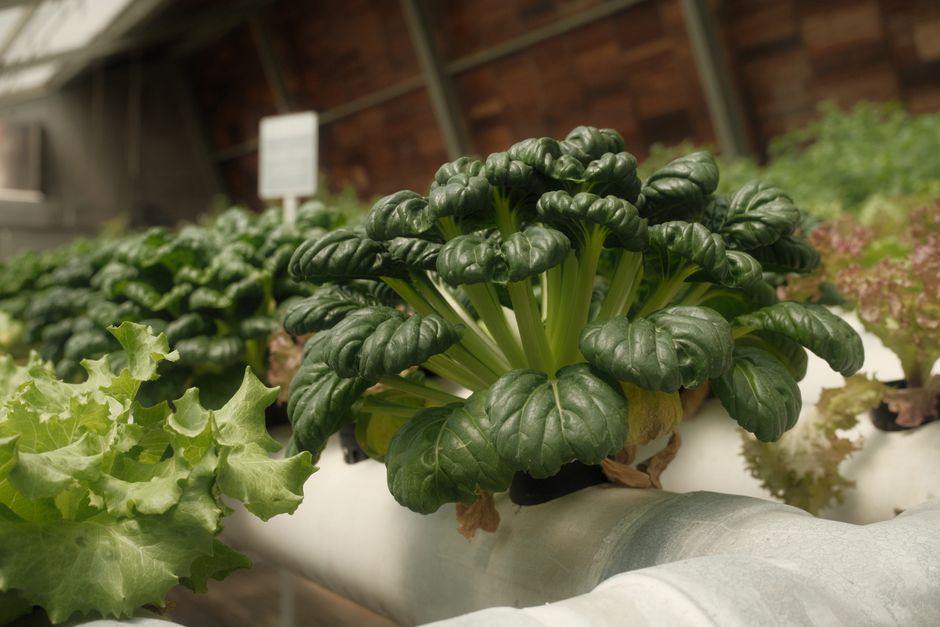
Build a Vertical Hydroponic System: Grow More in Less Space
Maximize your growing potential in tiny spaces by building your own vertical hydroponic system with our simple, budget-friendly guide.
 DIY Setups
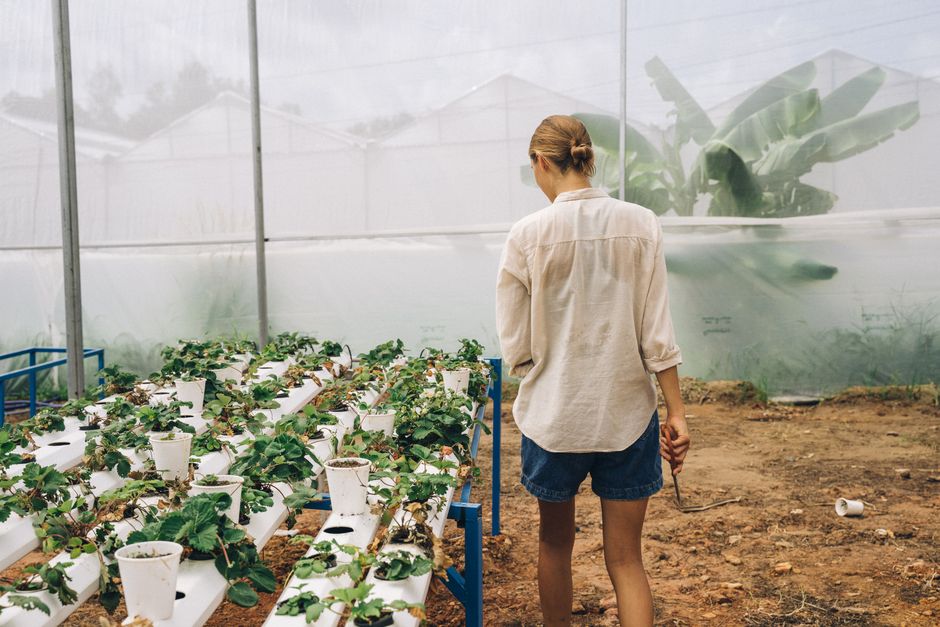
Build a Simple Kratky Hydroponic System for Easy Growing
Discover how to build your very own Kratky hydroponic system, a simple, passive method perfect for beginners and small spaces.
 DIY Setups
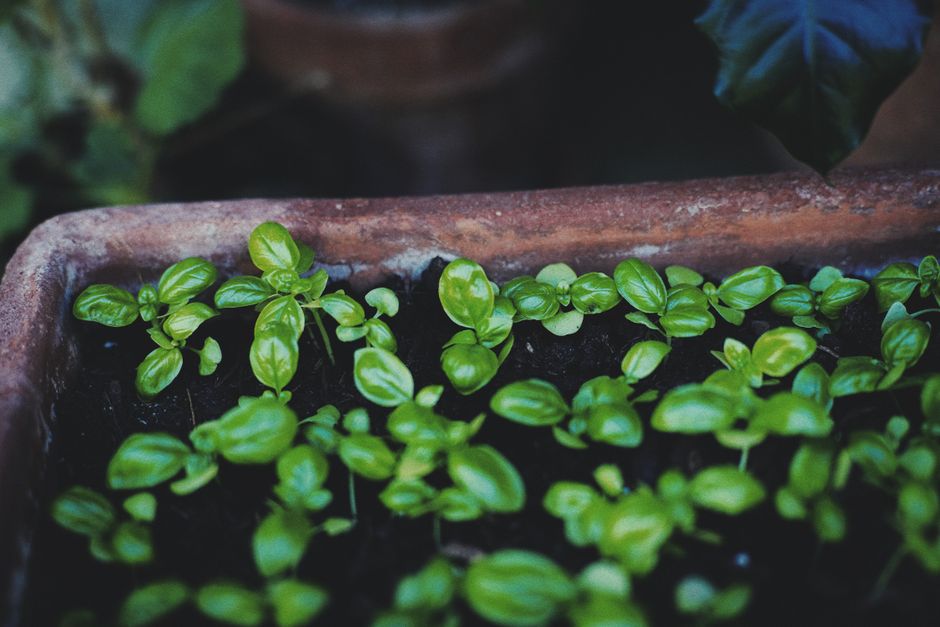
Start Your Kitchen Countertop Garden Today
Transform your kitchen into a productive oasis by starting your own thriving countertop garden, perfect for fresh herbs and veggies.